Some desserts that were once considered delicious now seem odd, surprising, or even revolting to modern palates.
Savory Jell-O molds
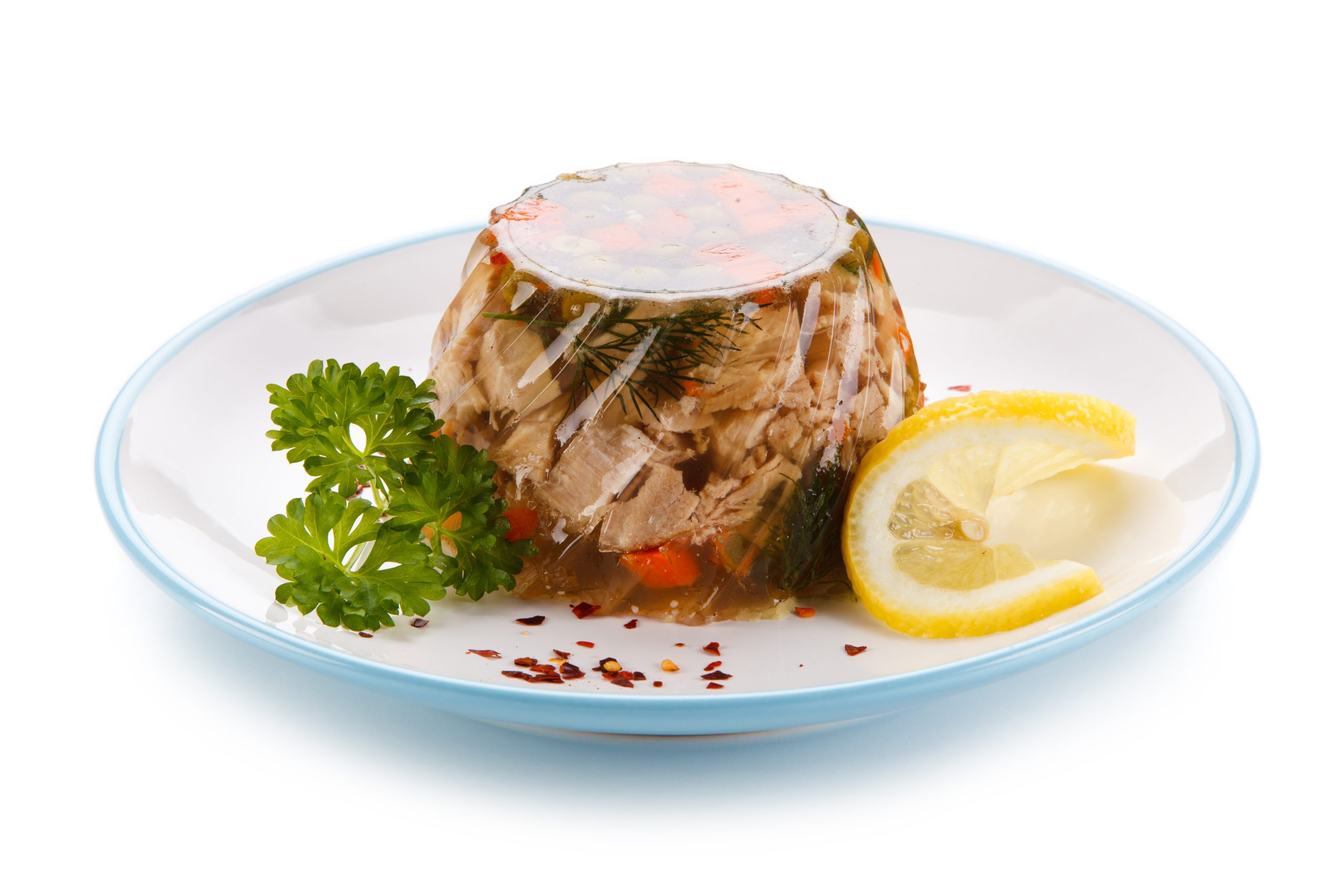
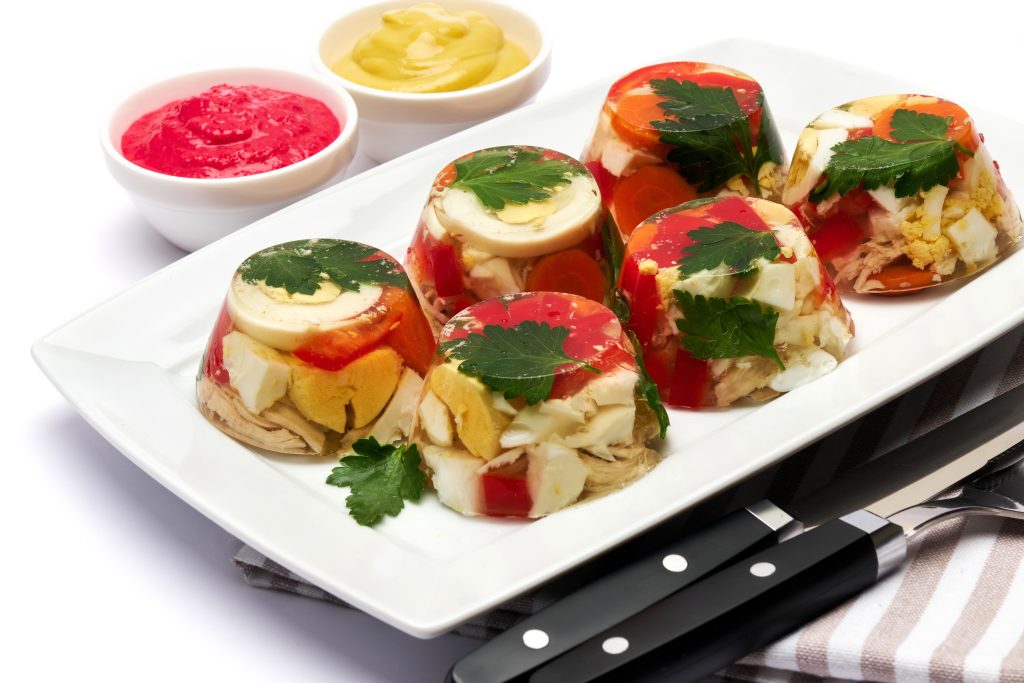
Mid-century cooks made Savory Jell-O molds by including canned tuna, chopped hard-boiled eggs, shredded cabbage, or ground beef inside lime-flavored or lemon-flavored gelatins. After World War II, powdered gelatin had only recently become inexpensive and represented the exciting world of modern convenience foods.
Plus, it allowed families to turn leftover proteins and vegetables into a mold that looked impressive and stayed firm without refrigeration.
Vinegar pie
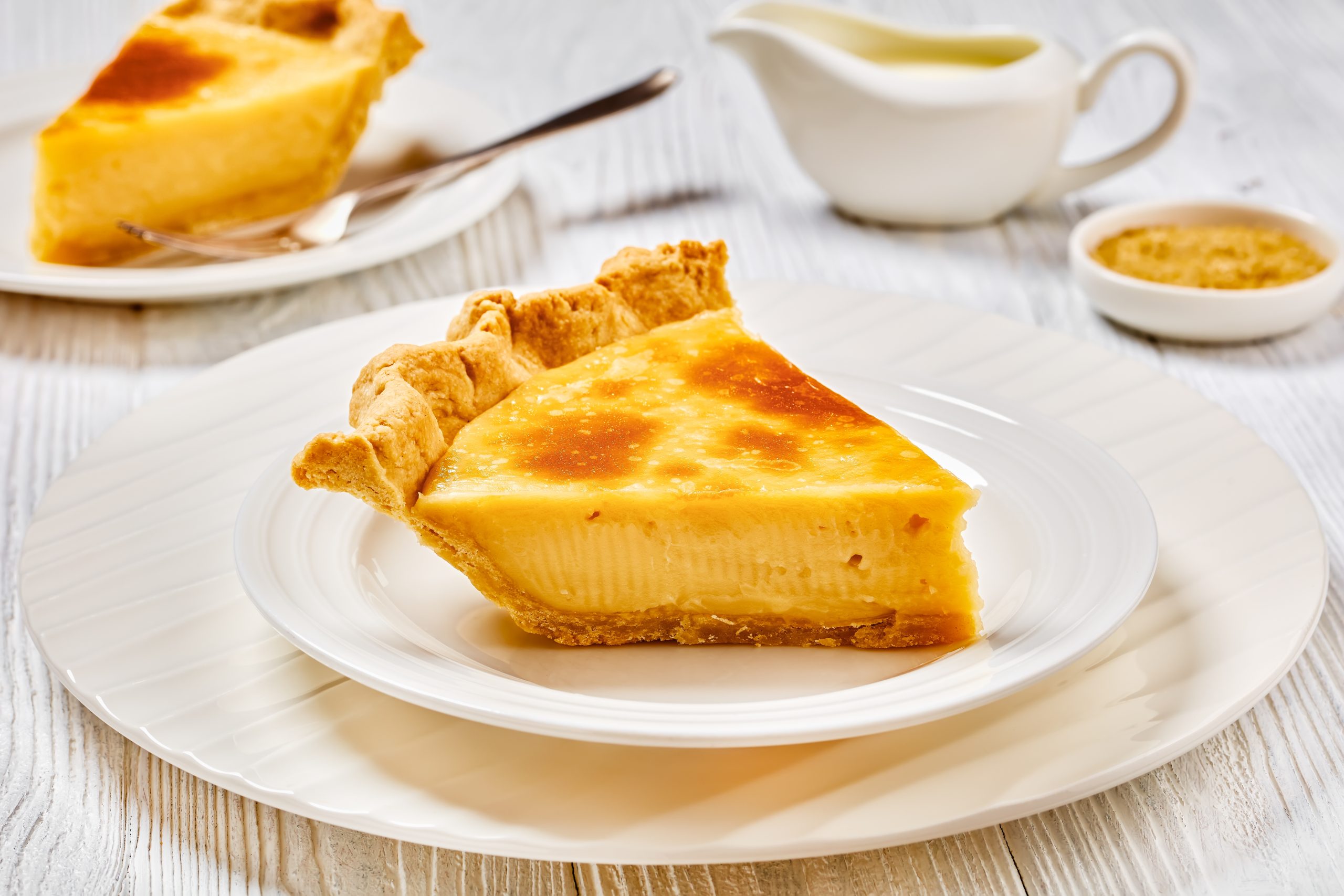
This pie from frontier days is made by whisking together cider vinegar, sugar, butter, flour, and eggs to form a sweet-and-tangy custard.
It was baked in homes across the American frontier and during times of financial struggle because while fresh citrus fruits such as lemons were rare, costly, or impossible to find, rural homesteaders still craved that citrus flavor. They found that the acidic punch of inexpensive cupboard vinegar could mimic it nicely in a dessert.
Syllabub
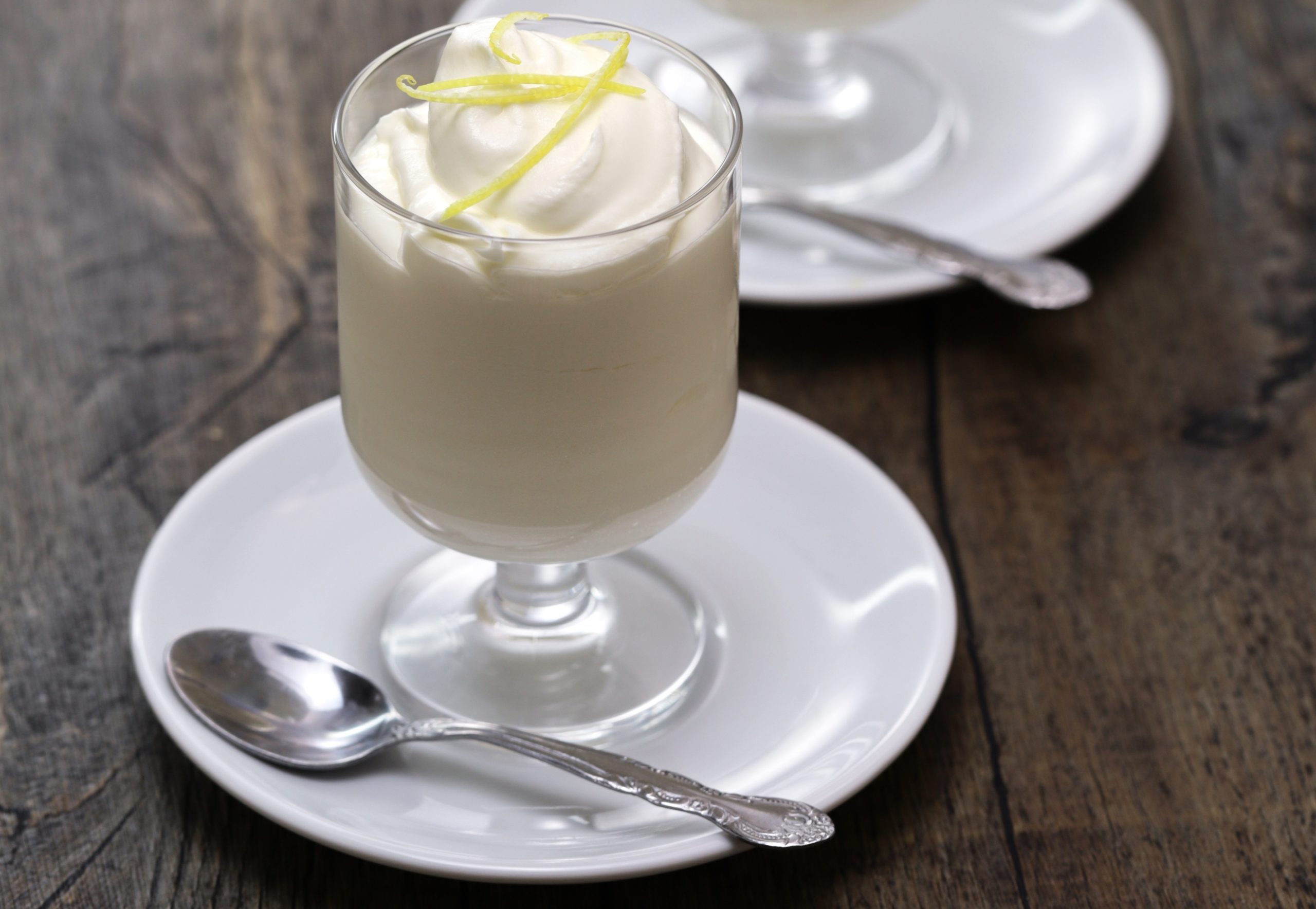
Syllabub was a favourite dessert during Tudor and Victorian times. Made by whisking together heavy cream and wine, cider, or sherry, lemon juice, and sugar until it became a fizzy, layered, drinkable cream, it was drunk everywhere at festivities and feasts.
Syllabub allowed upper-class families to present their fine imported booze, sugar, and fresh dairy together in an extravagant fashion.
Tomato soup cake
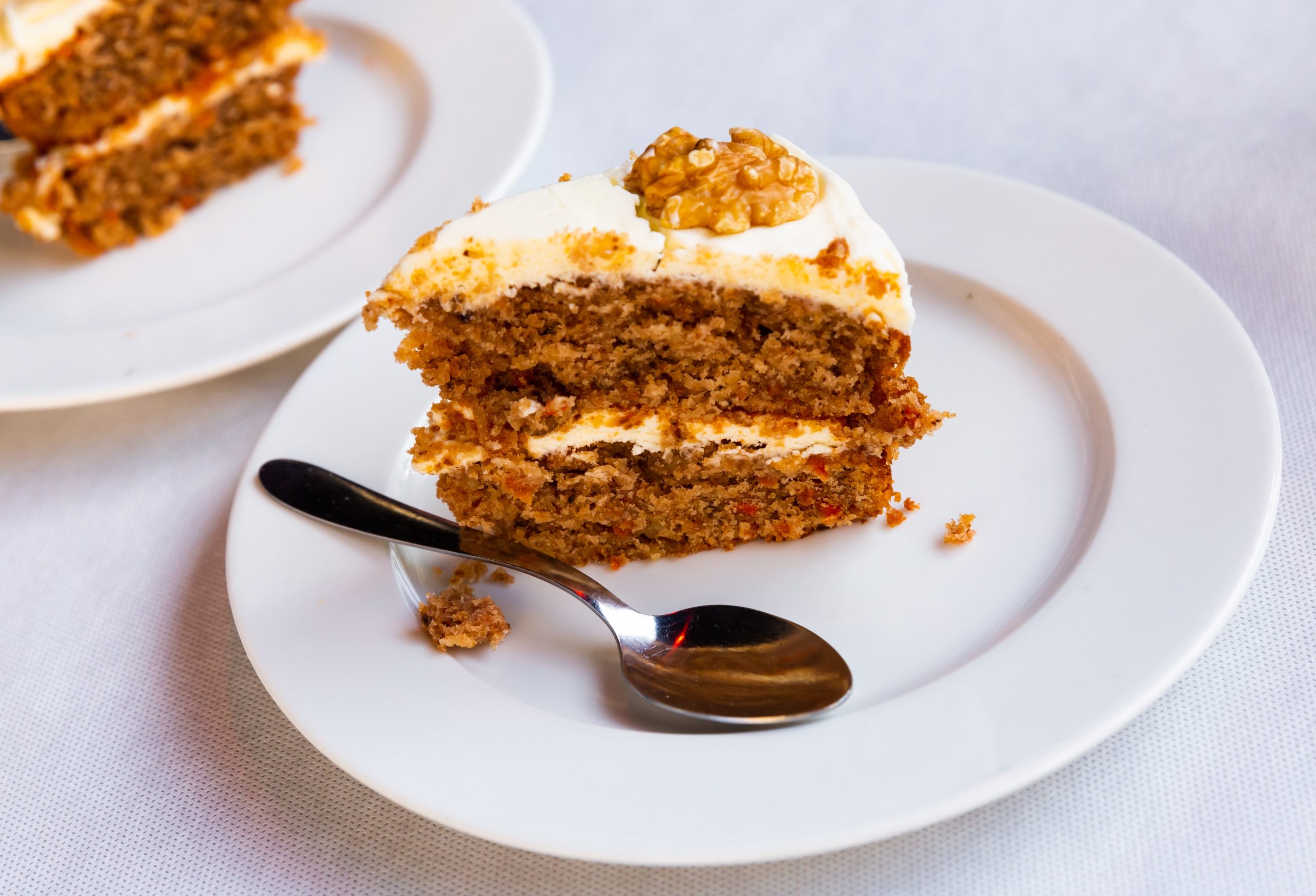
This moist spice cake gets its name from one simple can: condensed tomato soup. The condensed tomato soup gets mixed right into a batter with warm spices such as cinnamon, nutmeg, and cloves.
Made famous by Campbell’s in the midst of the Great Depression, homemakers baked this cake because the acidity and natural moisture from canned tomato soup improved the texture of the cake without using costly, hard-to-find ingredients such as fresh eggs, milk, or additional butter.
Suet puddings
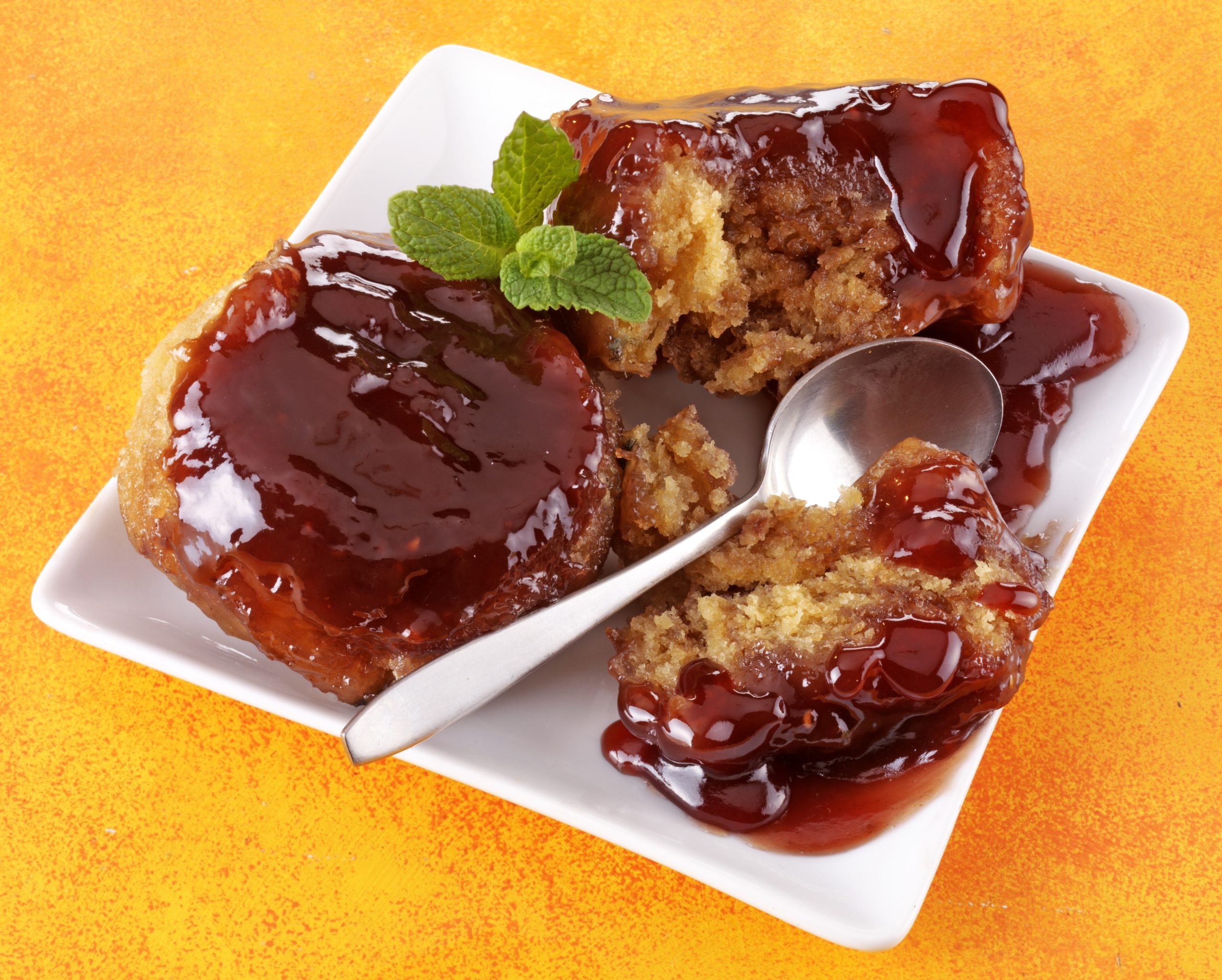
Suet puddings like Spotted Dick or the traditional steamed Christmas pudding were heavy puddings made by combining raw beef or mutton kidney fat (also known as suet), flour, breadcrumbs, dried fruit and spices, then steaming the batter for several hours.
Many traditional cooks used suet because animal fats were readily available after killing livestock and also had a high melting point. This made for a pudding that stayed moist and would last long, able to stay preserved during the cold winter months before refrigerators became common.
Mock apple pie
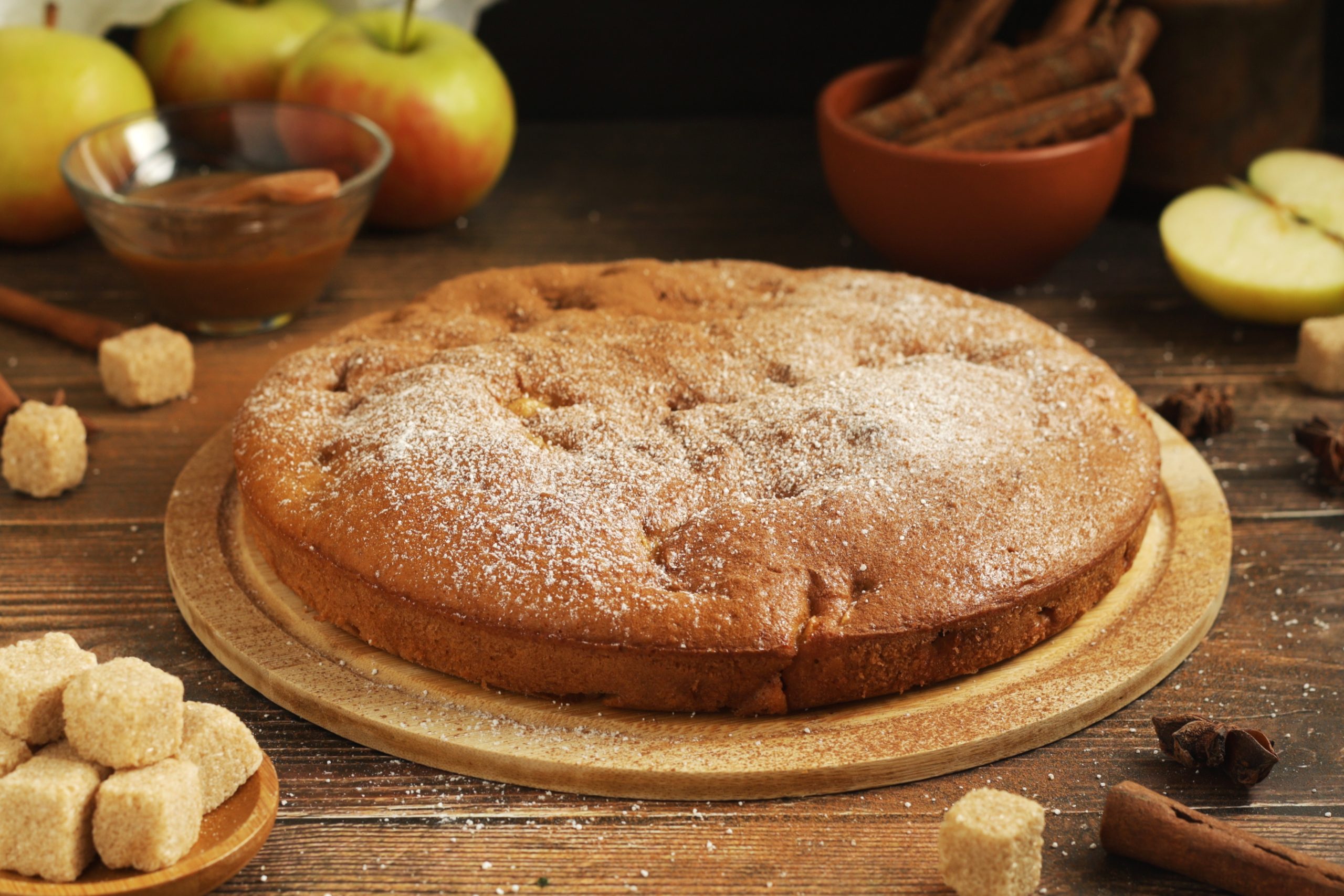
Mock Apple Pie was a pie made during the Great Depression era. Instead of using fruit, crushed Ritz crackers were soaked in a syrup made of sugar, water, lemon juice, and warm spices. Cooks made it because apples could be out of season, too costly, or even rationed during tough financial times. The crackers absorbed the syrup while baking and became soft, simulating apples cooked in sugar and spices economically.
Ambergris ice cream
Ambergris ice cream is a rich ice cream created by adding small quantities of ambergris (a waxy substance made in the intestines of sperm whales) to sweetened cream and custards of eggs. It was eaten by the rich and upper-class Europeans, as ambergris was one of the world’s costliest luxury ingredients.
Ambergris ice cream gave desserts a delicate, musky floral scent and aftertaste, the height of opulence.
Candied watermelon rind
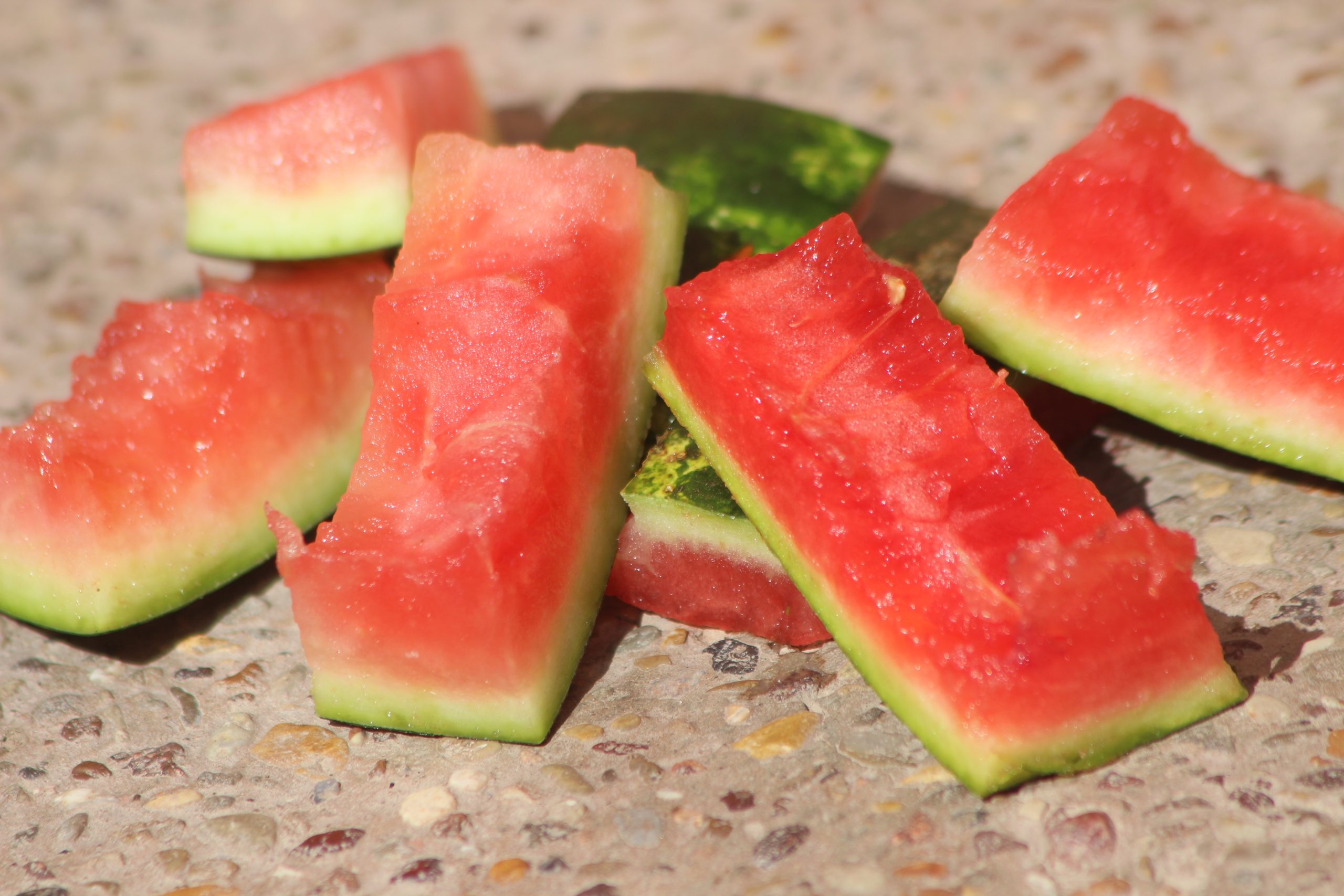
Candied Watermelon Rind used to be a popular recipe made by cutting off the green skin from a watermelon, dicing the thick white part of the rind, and boiling it for hours in heavy sugar syrup flavored with ginger, lemon, and cloves.
Families made it at home because waste was not tolerated, and making tasty treats from watermelon refuse that would otherwise be thrown away was an economical means of extending the budget.
Flummery
Flummery was originally a British and American pudding consisting of oatmeal soaked overnight in water until it began to ferment slightly, then boiled down after straining until it formed a thick gelatinous starch pudding. This would then be flavored with rosewater, sugar, or wine.
Oats were cheap and natural starches in them allowed home cooks to produce a firmly set jellied dessert without using costly gelatin or Isinglass.
Baked alaska
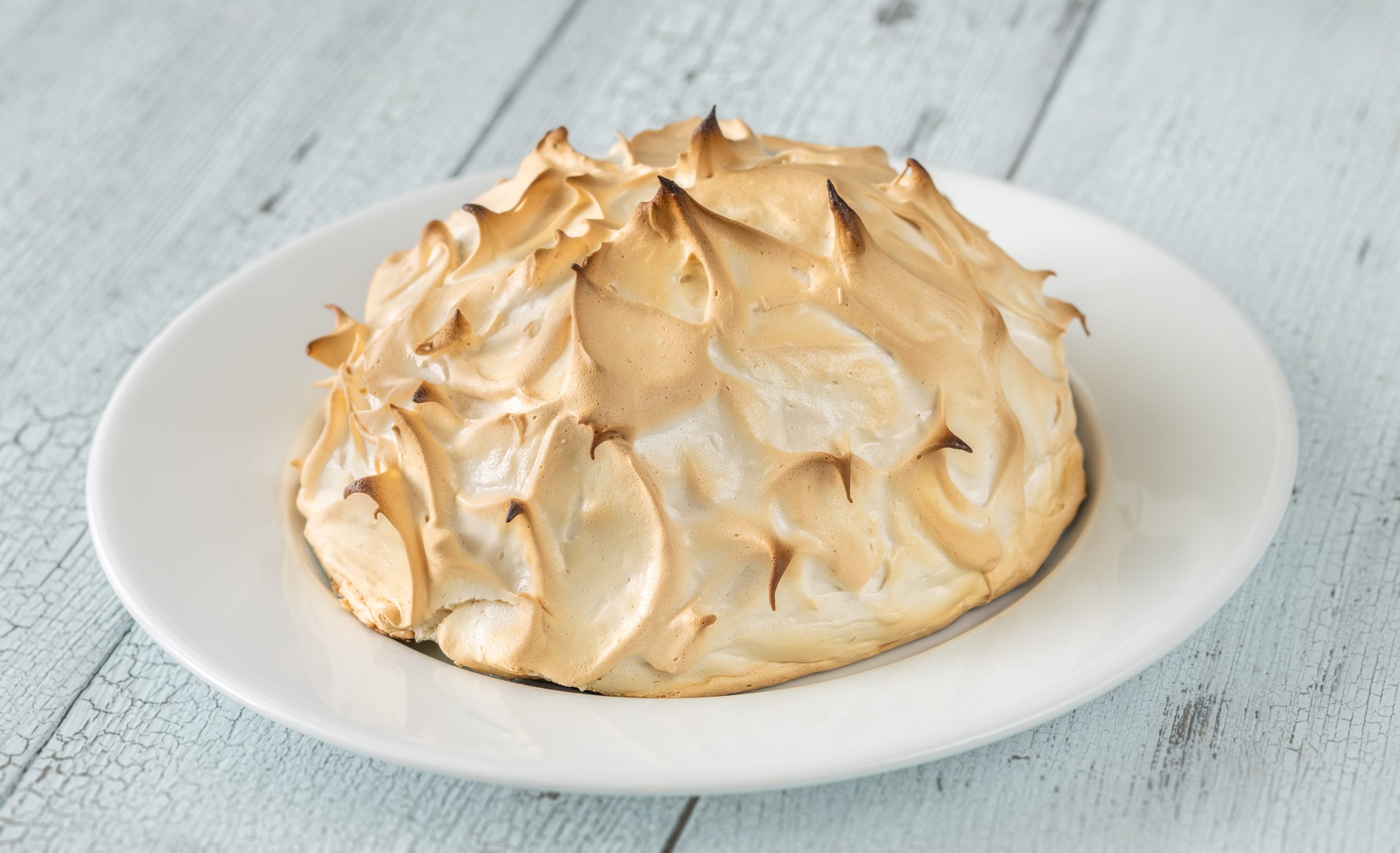
Created in the 1800s, this dessert features ice cream and cake topped with meringue and quickly baked at a high temperature. The meringue keeps the ice cream frozen while the outside toasts evenly. Baked Alaska is still impressive, but few people make it at home these days.
Sources: Please see here for a complete listing of all sources that were consulted in the preparation of this article.