Just like your eyes and hair color, your blood group is something that you inherit from your parents. But did you know that there are different types of blood? There are antigens, or markers, on your blood that act like IDs. These tell your immune system which cells belong in your body, and which ones don’t.
If you get cut, you can bleed out and die. But if you get the wrong blood type in a transfusion, you can hemorrhage internally and suffer a fatal immune reaction.
Keep reading to learn about the different blood groups so that you can know what yours is all about.
Role of antigens
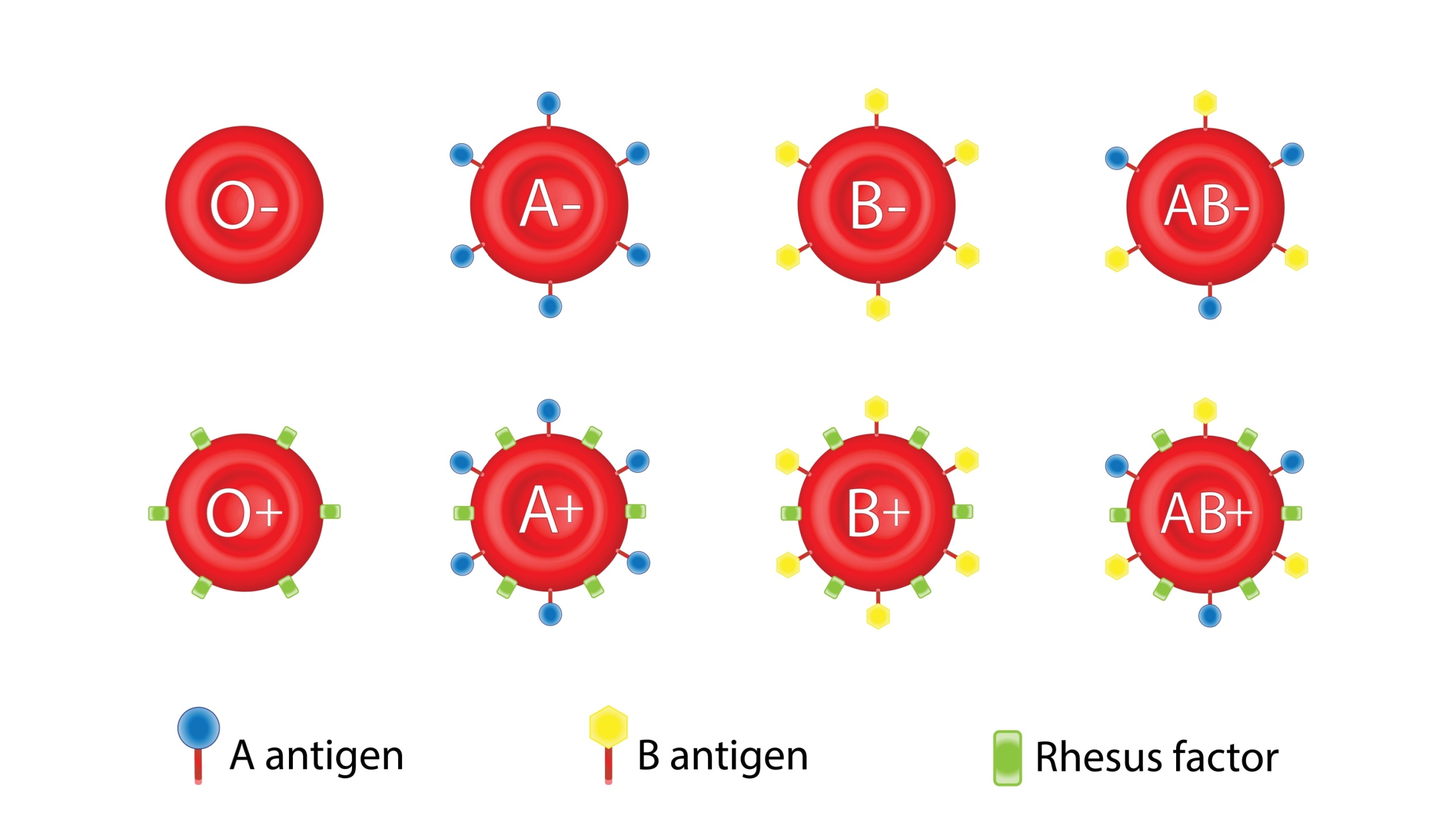
The antigens that determine your blood type are proteins and sugars found on the surface of your red blood cells. Your immune system will see these antigens as identifying markers to decide which cells are yours and which are “foreign.”
If you receive blood with antigens your body doesn’t recognize, your immune system will react against them.
The universal donor (O-Negative)
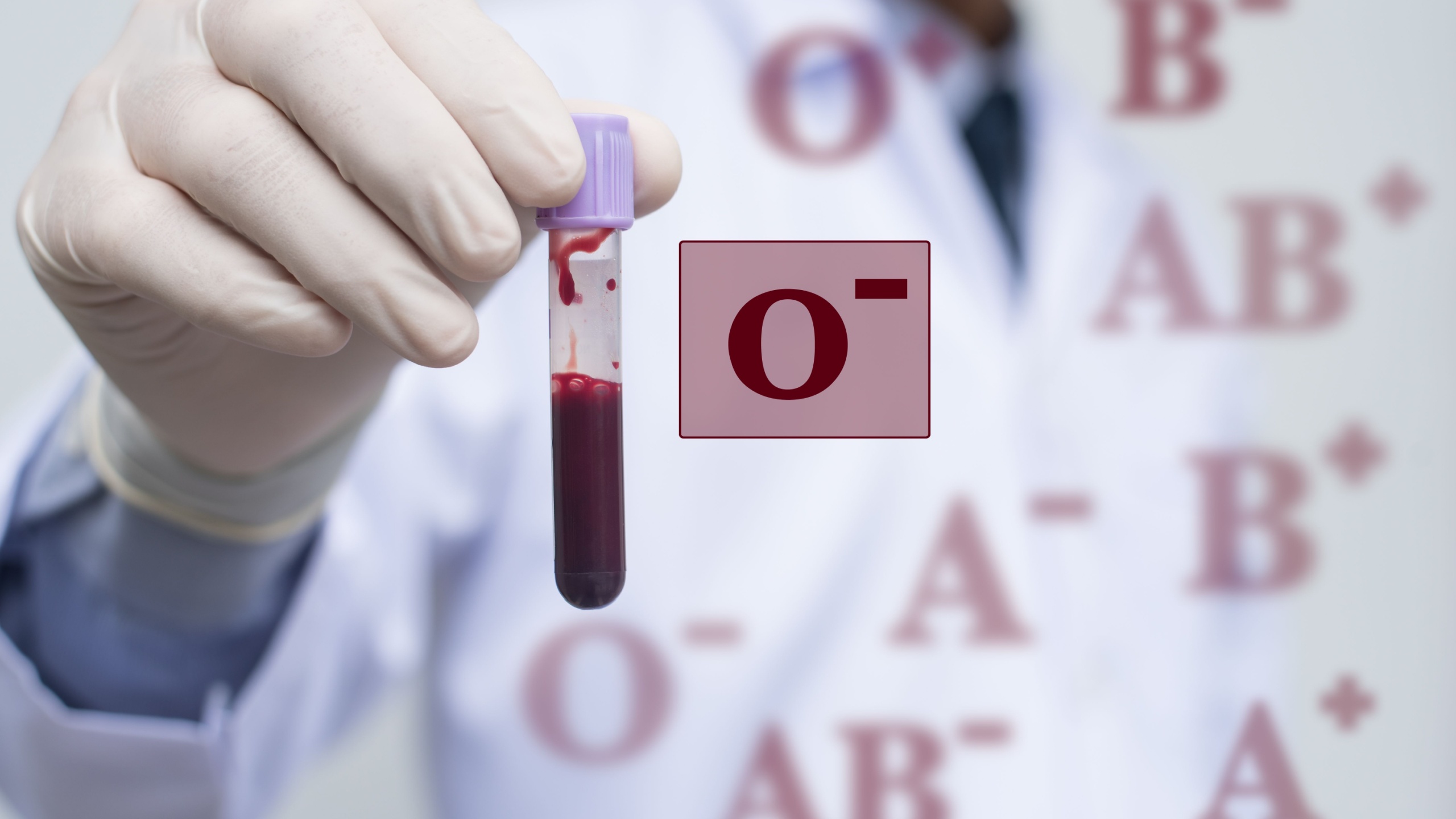
Type O-negative blood lacks A, B, or Rh antigens on the surface of its red blood cells. Since there are no markers for a recipient’s immune system to react to, Type O-negative donors can give blood to virtually anyone.
This is why it’s known as the “universal donor,” and why you’ll see so many commercials asking for O-negative blood specifically.
The universal recipient (AB-Positive)
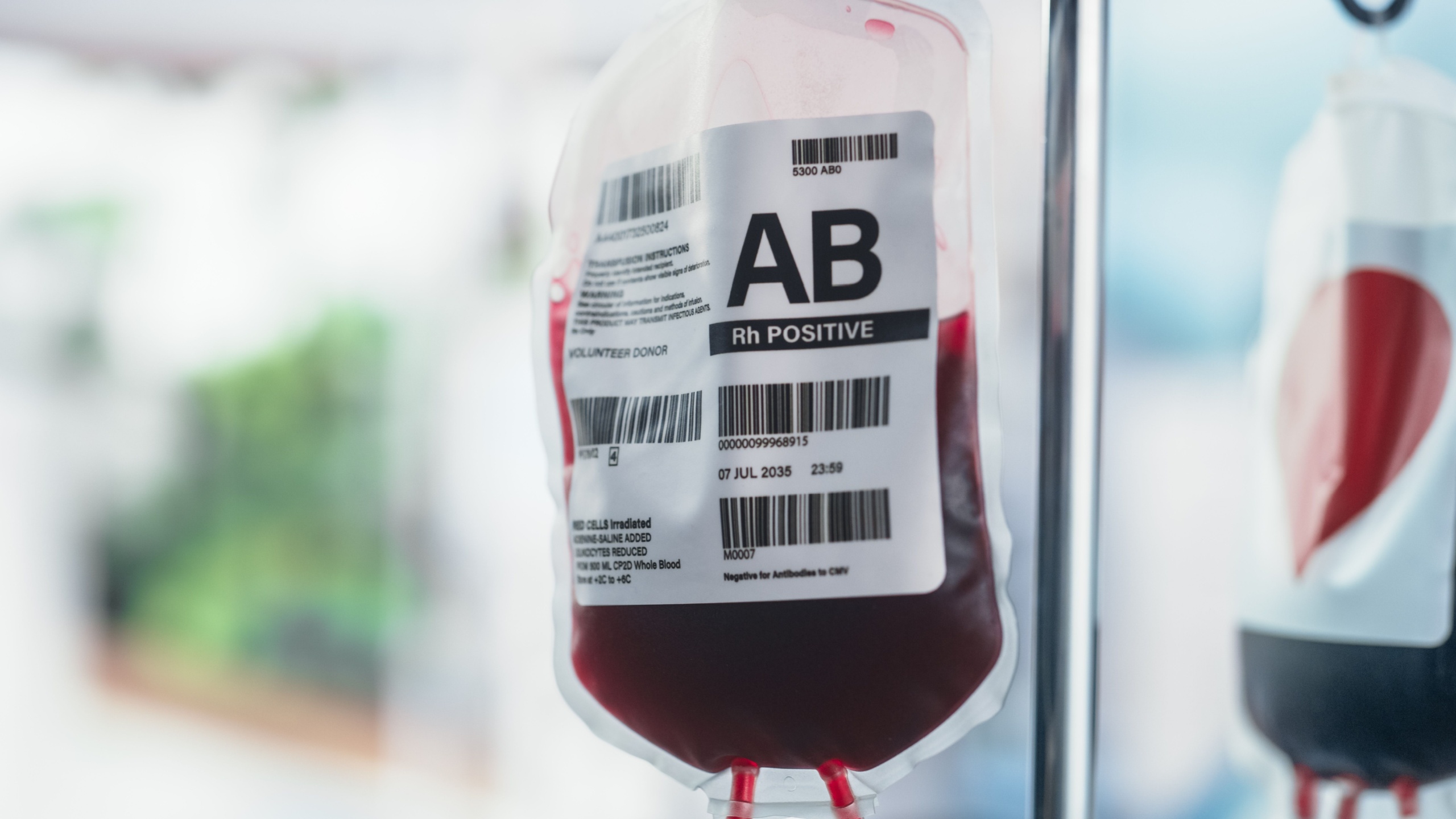
AB-positive blood contains every major antigen, and as such, AB-positive individuals are known as “universal recipients.”
Because there is no foreign antigen for an AB+ person’s immune system to react to, they can receive Type A, Type B, Type AB, and Type O blood.
Most common (O-Positive)

The most common blood type in the world is Type O-positive. Around 37% to 40% of the population has this blood type. O-positive blood is not the universal blood type, but it can safely go to anyone who has a positive blood group.
Approximately 38% of Europeans and 37% of Americans have this blood type.
Most rare (AB-Negative)

Excluding the extremely rare anomalies like “Golden Blood”, AB-negative is the rarest blood type, with only about 1% of people carrying it around their bodies. It’s so rare that blood banks have a difficult time keeping enough supply on shelves.
The irony is that while AB-negative is one of the rarest types for whole blood donations, Type AB donors are actually “universal plasma donors.” This means their blood plasma is free of anti-A and anti-B antibodies, making AB plasma safe for any patient in need.
Mosquito attraction
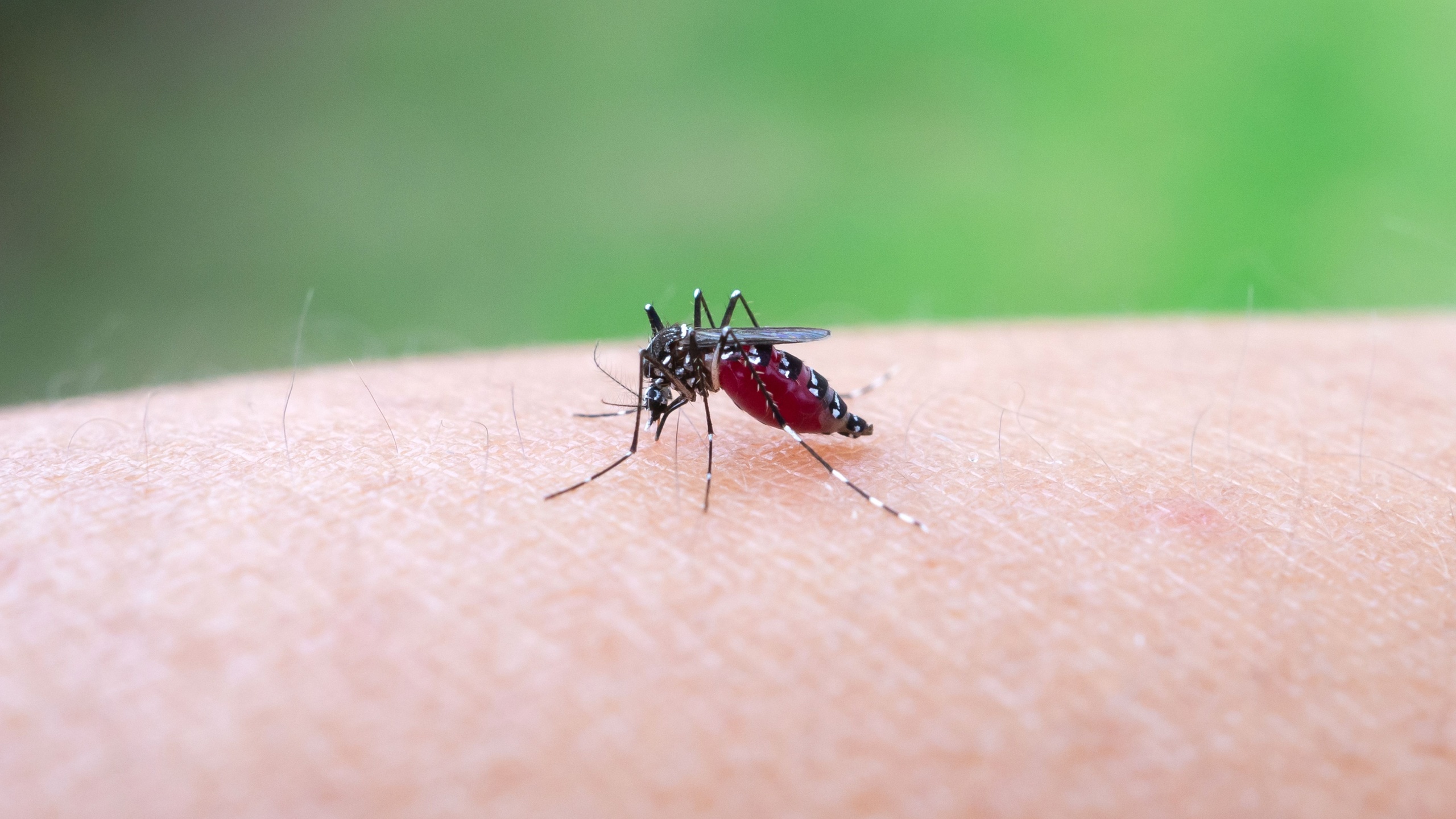
Studies have shown that people with Type O blood get bitten by mosquitoes more often than those with Type A blood. However, your blood type isn’t the only factor.
Mosquitos also home in on your production of CO2, body temperature, and even specific bacteria on your skin. While Type O blood may be their preference, other factors play into why certain people get bitten more frequently.
Transplants can change blood type

Generally, your blood type cannot change. One exception to the rule is patients who receive bone marrow transplants. Since our bone marrow produces new blood cells, recipients of a bone marrow transplant will slowly start producing the same type of blood that the donor had.
Over time, the patient will produce more of the new blood type until eventually, their original blood type is gone.
Certain diseases target certain blood types

People with Type O blood are naturally more resistant to malaria because the cells that carry the disease cannot bind to O-negative cells as easily. However, they may be predisposed to attracting the bacterium responsible for cholera and stomach ulcers.
Some researchers suggest that blood types evolved as a defense mechanism depending on the disease climates they inhabited.
Animal blood types
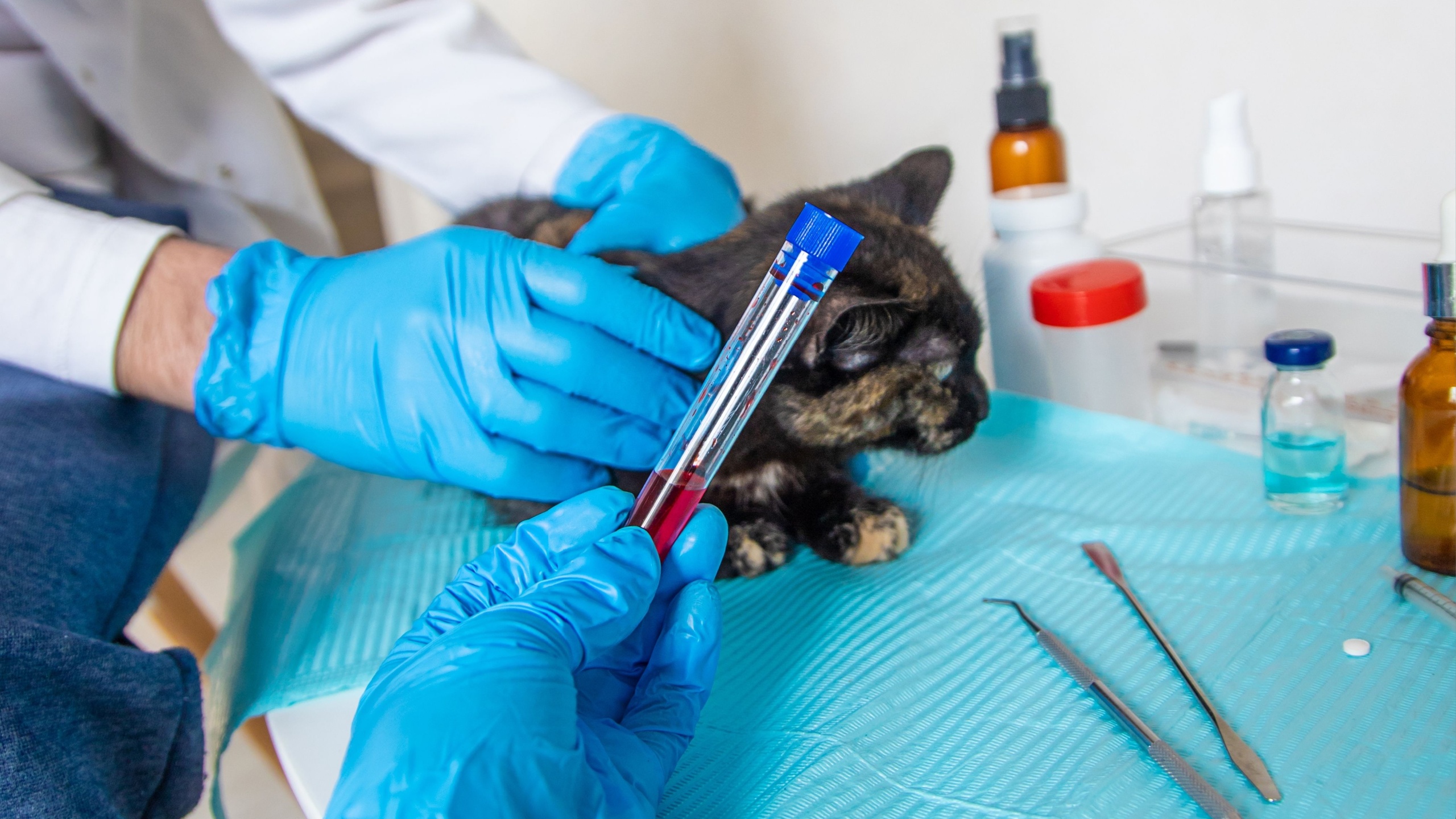
Animals have blood types, too. However, their genetic markers are not the same as humans. Dogs, for instance, have over 13 different types based around something called DEA (Dog Erythrocyte Antigen).
Cats have three blood types: A, B, and (rarely) AB. Since animals have entirely different antigens than humans, there is no way for your cat or dog to receive a blood donation from you.
Origin of Type “O”

In 1900, Karl Landsteiner discovered A, B, and C blood types. He initially named the third type “C” because it did not have A or B antigens. Scientists in German-speaking countries started referring to this blood type as “null,” meaning zero. Over time, when the discovery made its way to English-speaking scientists, the O replaced the 0.
Your gut bacteria depend on your blood type
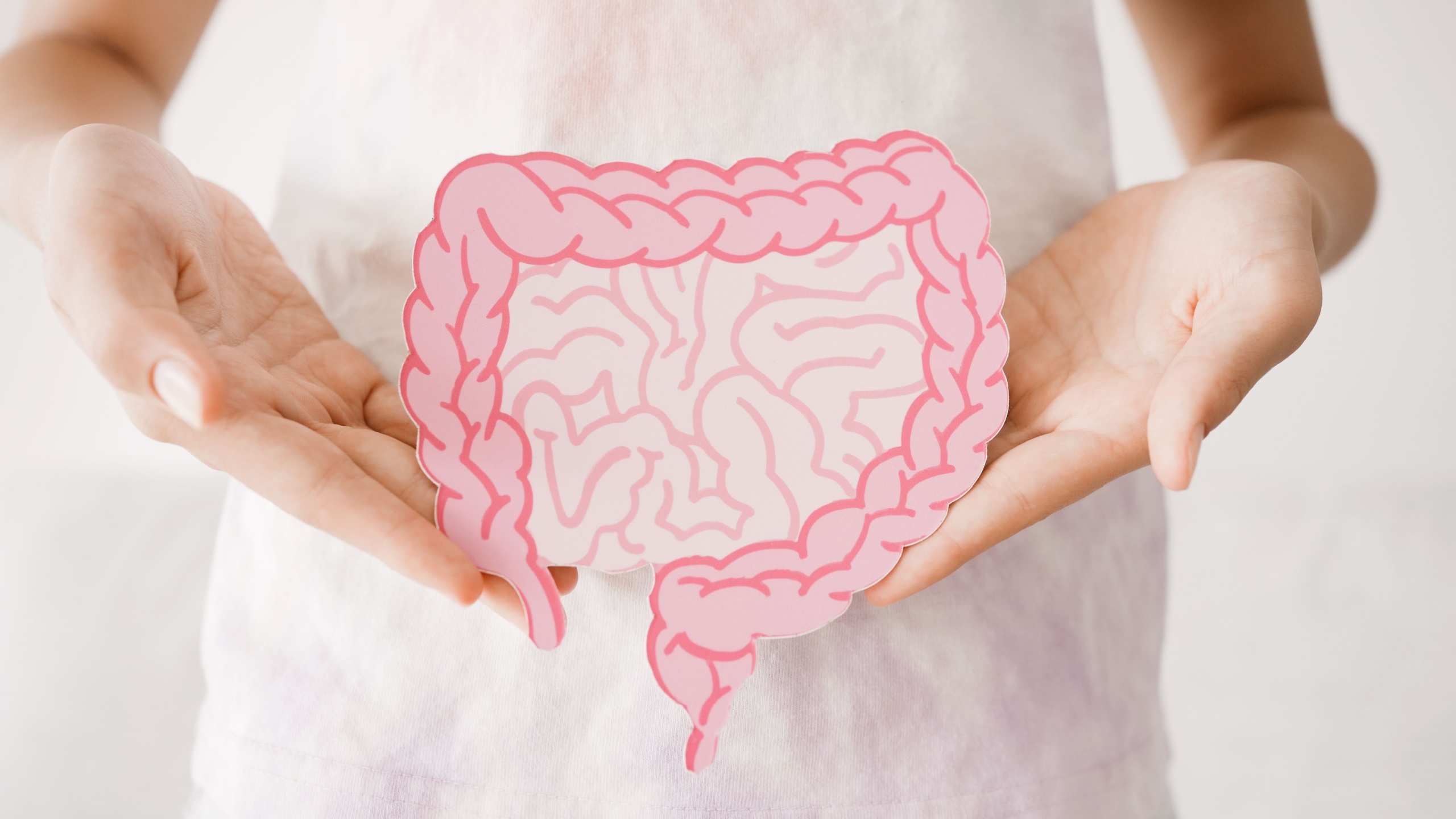
Believe it or not, about 80% of people secrete their blood-type antigens into other body fluids and even their digestive tract. Studies think these antigens may help certain bacteria thrive in your gut while deterring others.
While we know blood type can affect gut bacteria, it isn’t the only factor. So eating a “blood type diet” won’t likely work as advertised.
The following sources were consulted in the preparation of this article: