Some ideas seem like they’re going to be so impressive. They show up with fireworks & headlines, but a few years later, they disappear entirely. History is packed with “next big things” that went nowhere.
Here are twelve inventions that people genuinely believed would change the world, yet they failed. Which do you wish had been successful?
Segway personal transporter
During the early 2000s, people thought that the Segway would be the ride that would change cities forever. They pictured streets full of commuters gliding around on them. Reality said something different.
Not only did they cost around five grand, but a string of accidents made people go off these “revolutionary” devices rather quickly. They stuck to being used as tourist rentals & in warehouses.
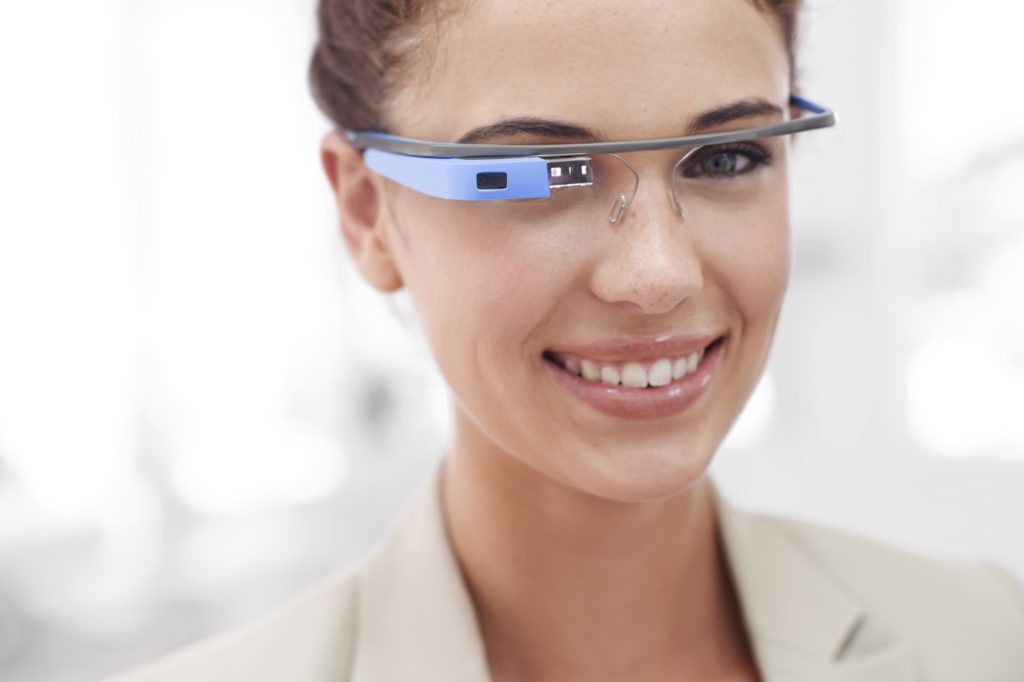
Google Glass smart glasses
You’d be forgiven for thinking that Google Glass would change the world, since they really did look like something out of a sci-fi movie. They were supposed to change the way we interacted with practically everything.
Unfortunately, nobody likes being filmed without warning, and the devices themselves were rather expensive. It didn’t take long for Google to cancel the glasses.
Sinclair C5 electric trike
British inventor Clive Sinclair revealed the Sinclair C5 electric trike in 1985. It ran around 15 miles an hour & he claimed that it would revolutionize the way that people travel.
But the future had something different to say. It didn’t fare well in rainy weather and couldn’t even take on hills successfully. The factory producing the trike shut down the same year that it launched.
Moller Skycar M400
Essentially, the Moller Skycar M400 was a red flying car that looked like it came from The Jetsons. Its creator, Paul Moller, promised that it would make traffic jams a thing of the past, since it allowed people to take off vertically & have a fast flight. It didn’t.
The Skycar never made a free, manned flight, so the dream of a flying commute failed to clear the runway.
Juicero press
Who needs a Wi-Fi-connected juicer? According to the makers of the $699 Juicero press, everybody. It was supposed to completely change the way people drank juice and enable them to have a healthier diet. But it was a flop.
It was far easier & faster to squeeze the special juice packs by hand, leading to sales of the Juicero press collapsing. It shut down in 2017.
The :CueCat barcode reader
Around 2000, the :CueCat barcode reader was launched, and millions of people received a free copy of it in the mail. It allowed people to scan barcodes from magazines & go straight to the website, a little like QR codes.
However, typing the URL manually was much easier. The reader never managed to change the way that we go online in the way that the company expected.
DigiScents iSmell
Smell-o-vision was almost a reality. The DigiScents iSmell was a plug-in device that would send smells through a computer, allowing you to literally “smell” the games you were playing or websites you were on.
It would’ve changed internet browsing by making it a 4D experience. However, investors soon realized that nobody wanted to download perfume files or buy the hardware. The iSmell failed before it even got out of the gate.
3D TVs for the living room
There was a time when practically every electronic store pushed 3D TVs, particularly after 2010’s Avatar mania. These TVs were supposed to bring movie-theater magic to your living room. The key phrase there being, “supposed to.”
The glasses were too annoying to use & the cost of upgrading to a 3D TV just didn’t seem worth it. No wonder Sony & LG dropped 3D completely in 2017.
OLPC XO
The idea of the OLPC XO was great. It involved giving every child in developing countries a special $100 laptop to help them with their education. In theory, it would minimize the digital gap between developing & developed countries.
Some countries bought small batches. However, the project never scaled the way it was intended to & failed to close the digital gap.
Solar Roadways
People genuinely believed roads could power the world. Solar Roadways built panels with LEDs & sensors that were supposed to produce clean energy far more efficiently than other technology of the time. Unfortunately, it didn’t work out that way.
The tiles were fragile and hard to clean, for starters, while maintenance bills were high. Most of the panels couldn’t produce enough energy to be reliable.
Segmented sleep pods
Segmented sleep pods promised users that they could get 20-minute naps at work that would leave them feeling fully recharged. Advocates of the device claimed they’d help the world become more productive, as workers could put in more hours at the office.
But they never went mainstream. The cost & space of the pods were enough to turn people off, and most places stuck with coffee instead.
Telautograph
During the time before faxes & email, the telautograph was supposed to be the next best thing. Inventor Elisha Gray patented it in 1888 with the claim that you could send your handwriting over wires in real time using it. You could sign contracts & send notes from miles away, without using a typewriter, completely changing communication.
At least, in theory. The telautograph was slow & expensive. The telephone was a lot faster to use, not to mention cheaper.
The following sources were consulted in the preparation of this article:
- Dec. 3, 2001: Segway Starts Rolling
- Google Glass Is Going Into Hiding “Until It’s Perfect”
- Sinclair C5, the Tiny EV That Dreamed Big – And Failed Spectacularly
- Neiman Marcus Sells the Skycar
- Juicero is shutting down, draining VCs of $120 million
- The Worst Inventions: CueCat
- The failed quest to bring smells to the internet
- The Real Reason The 3D Tv Was a Failure
- One Laptop Per Child: Vision vs. Reality
- Understanding Solar Roadways: An Engineering Failure of Epic Proportions
- The Telautograph: Handwriting at a Distance