We all use thousands of objects every day, yet we never think twice about where they came from or why they’re designed the way they are. Did you know that some of your favorite things started as failed experiments? Or that some are older than you might realize.
Behind the creation of some of the most familiar items are stories that are downright bizarre. Accidents. Trickery. Strange problems we didn’t know we had. So here are 15 little-known stories behind everyday objects.
Play-Doh
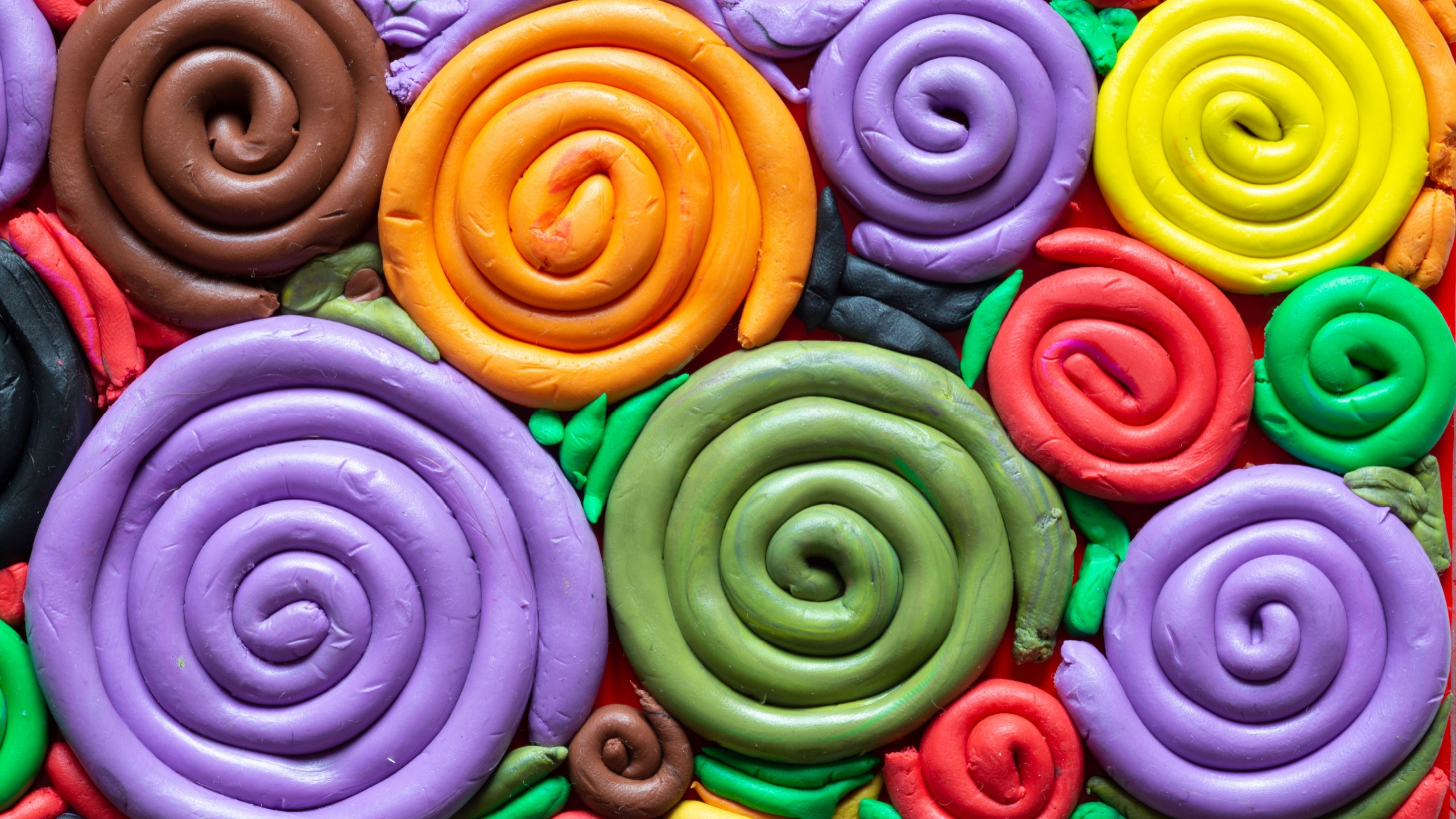
The children’s toy we know today as Play-Doh used to be a gray, clay-like substance meant to remove soot from walls. At the turn of the 20th century, most families heated their homes with coal, which left black residue everywhere it was heated.
When homes started switching to cleaner-burning natural gas, sales plummeted and the company almost went bankrupt. That is until the inventor’s sister-in-law thought that the wallpaper putty would work great for molding shapes in school classrooms. She added some color and a nice almond smell to cover up the clay scent, and Voila.
Slinky

Naval engineer Richard James spent years developing a spring that could hold sensitive equipment level while bouncing through the ocean waves.
One day while in his lab, he accidentally dropped one of his coils from a table. Instead of falling to the ground, it “walked” down a nearby book stack. He realized he failed at inventing a military gadget but stumbled upon one of the coolest toys.
High heels
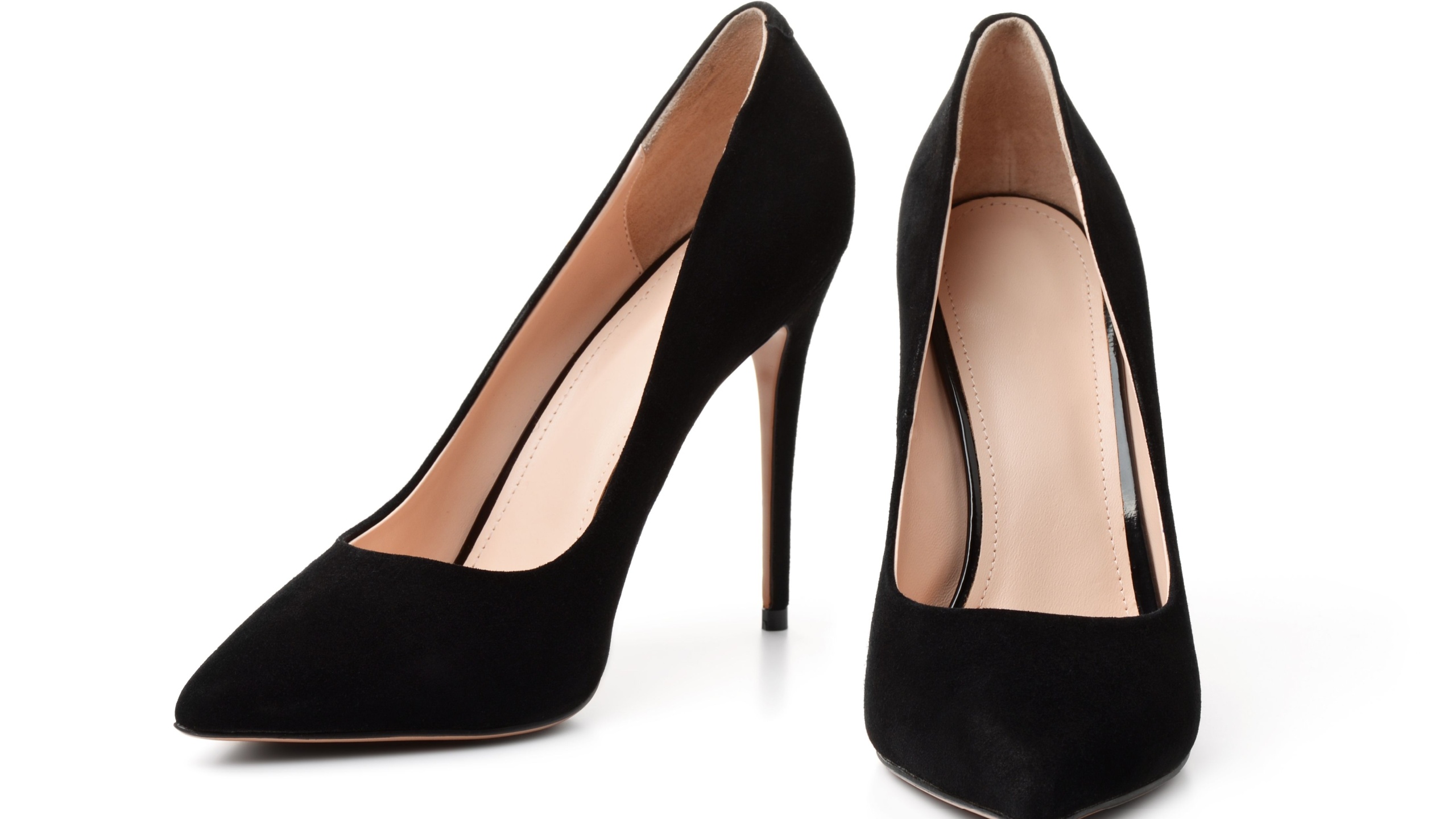
High heels didn’t originate from fashion models strutting the runway; they were created for 10th century Persian cavalry. They were designed to go with boots so that riders could “lock” their feet into the stirrups and keep their feet secure while firing arrows from horseback.
European noblemen didn’t pick them up until the next century when they used heels as a status symbol to show they never had to walk far.
Bubble wrap
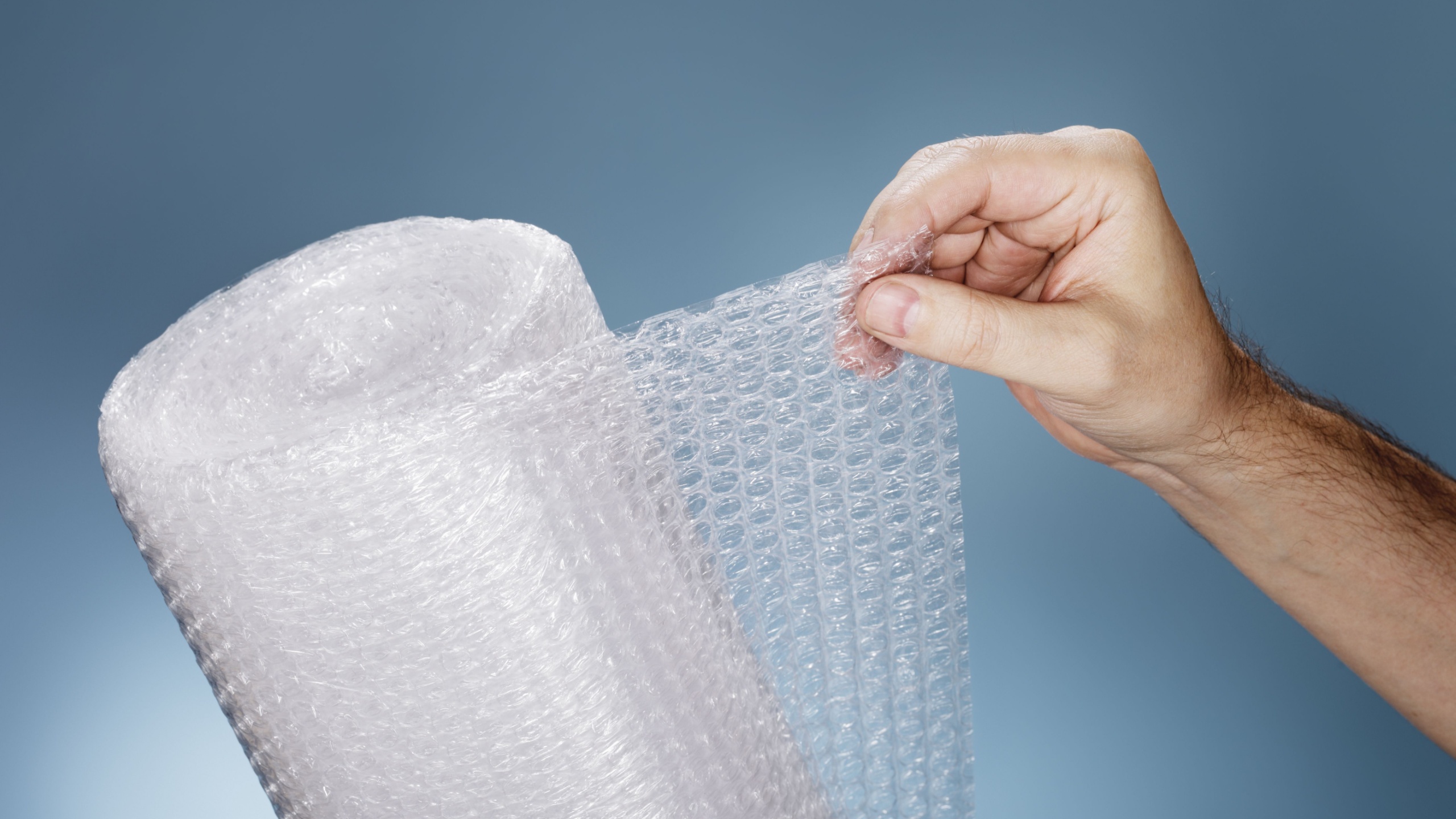
Two brothers invented bubble wrap in 1957 by sealing two shower curtains together with bursts of air trapped in-between. The product was a total disaster as home decor because nobody wanted plastic bubbles on their walls.
They then tried to market it as greenhouse insulation, which also failed. Thankfully, IBM needed a way to protect their expensive computers during transport in the ’60s and saved the world’s greatest packing material.
Microwave
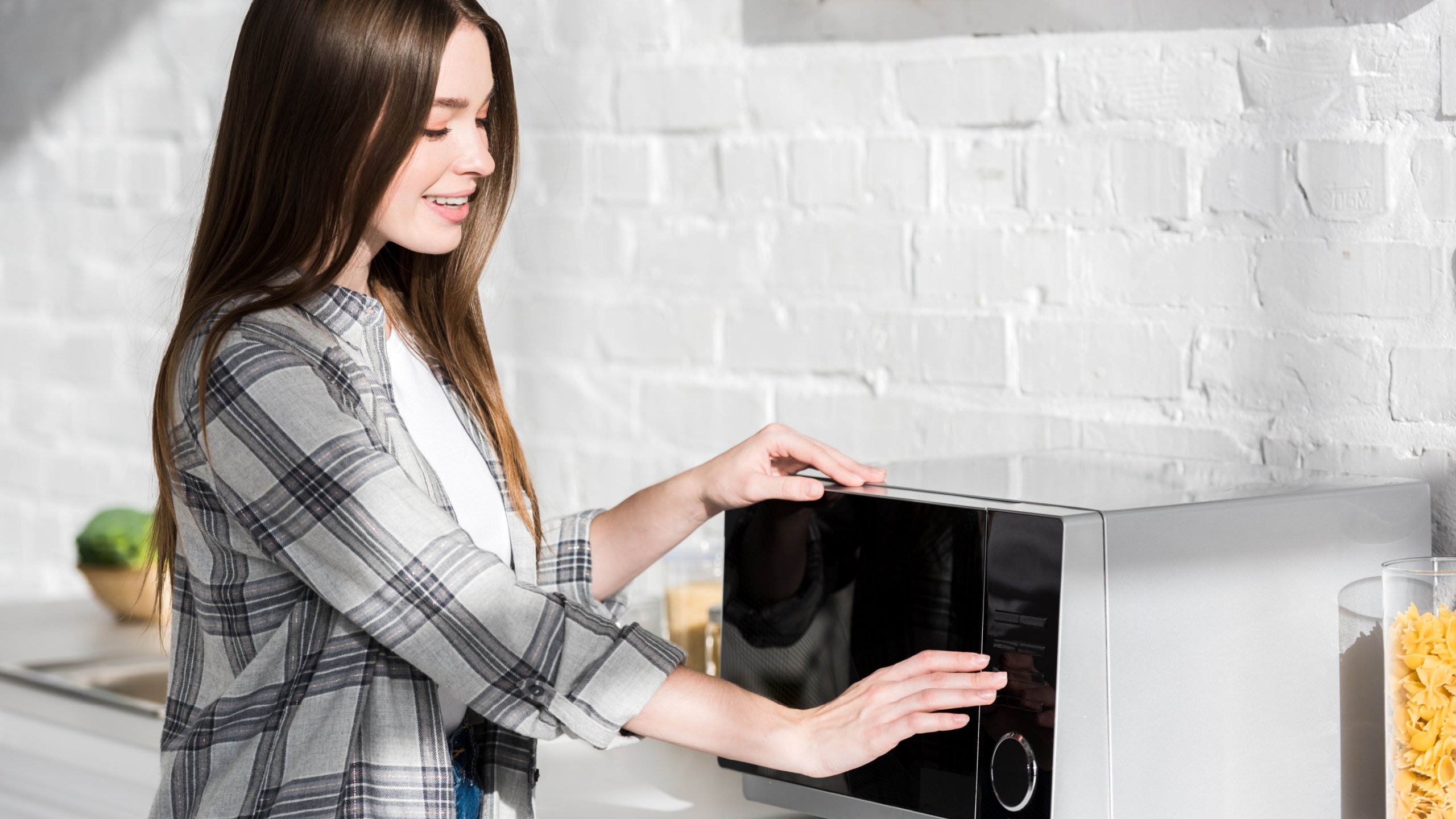
While working on active radar sets for the military during WWII, Percy Spencer noticed that the candy bar he had in his pocket melted from exposure to the radio signals. Curious, he aimed the radar at some popcorn kernels, and within minutes they began popping. He realized microwaves worked by agitating the molecules in food, creating the world’s first “Radarange.”
Listerine
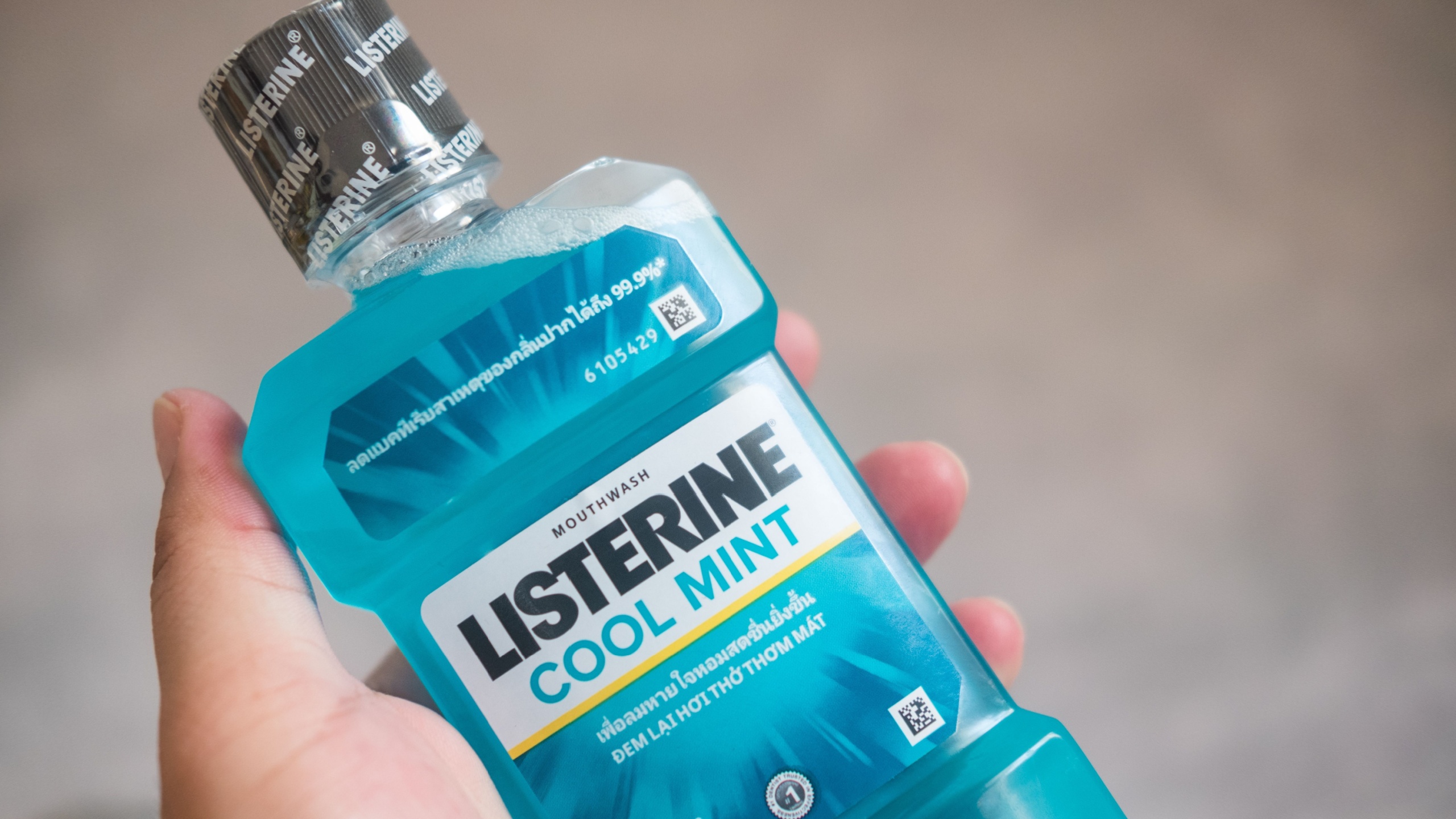
Listerine started out in 1879 as a powerful antiseptic for cleaning surgical wounds, but failed at finding its place in the medical market.
Throughout its developmental years, Listerine was marketed and sold as a floor cleaner, dandruff remedy, hay-fever cure, and gonorrhea treatment. It wasn’t until a marketing boom in the 1920s advertising its benefits for bad breath (using the scientific term “halitosis”), that it finally found its place in medicine cabinets everywhere.
Sunglasses

We wear sunglasses to shield our eyes from harmful UV rays, but that wasn’t their original purpose. In China during the 12th century, judges wore sunglasses made of smoked quartz to conceal their facial expressions during court hearings.
They helped hide reactions from suspects or the opposing counsel. Nobody wore sunglasses in public back then because the lenses were too cloudy to provide much visibility anyway. It took centuries before we realized the dark lenses actually served a much greater purpose.
Tea bags
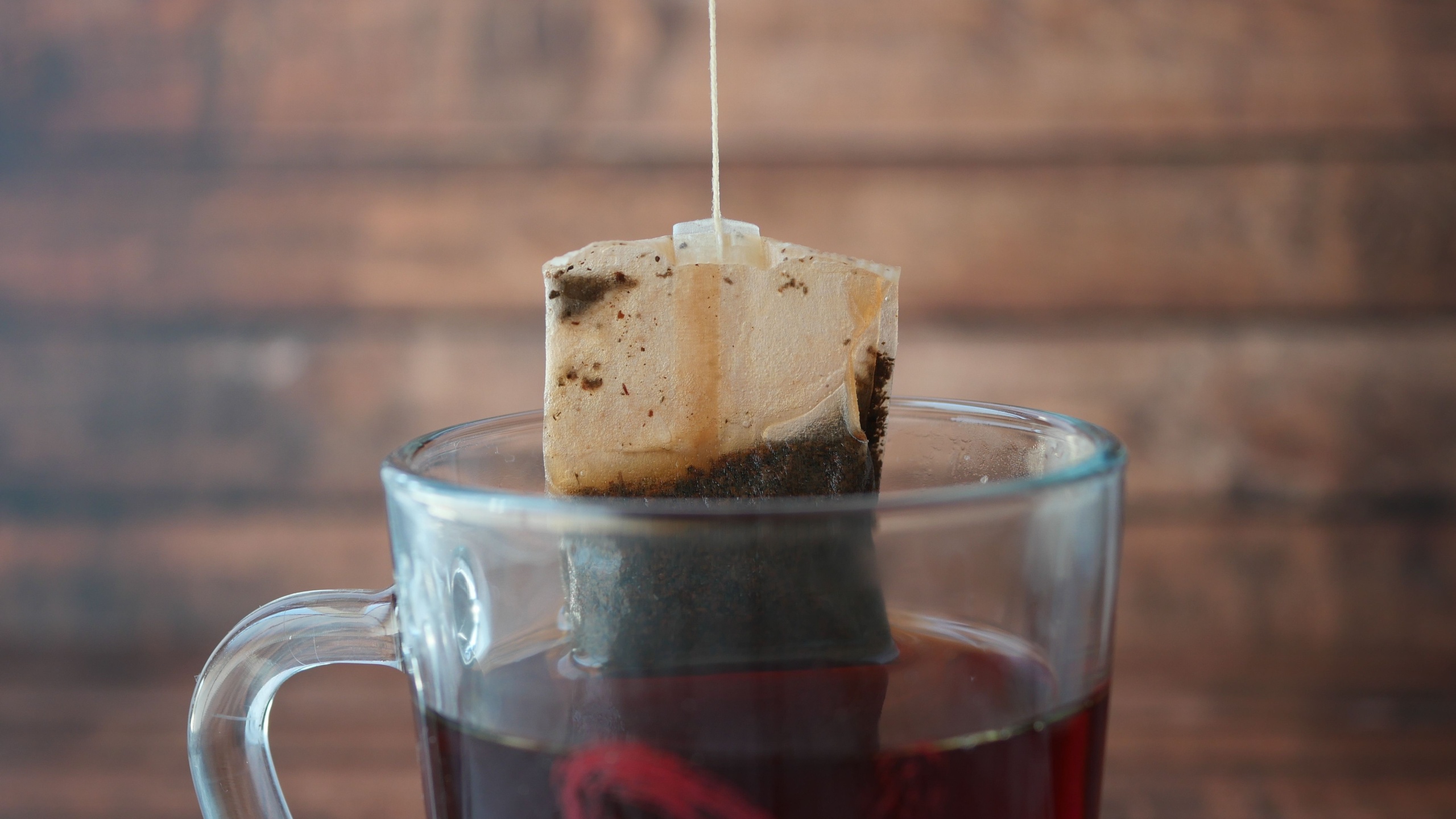
Until 1908, tea was traditionally sold in large tin cans that had to be opened and poured into a brew pot. But because one salesman wanted to cut down on the cost of shipping his samples, he began sending small silk bags filled with tea to his customers.
His customers didn’t realize they were supposed to open the bags and empty the tea into a pot; they simply threw the whole silk bag into the hot water. When he started receiving orders for more “tea in bags,” he realized his genius idea was born.
Treadmill

Unlike today, where we pay monthly fees to walk on these, the treadmill was originally used to strengthen prisoners. Jail inmates were forced to “run” on a giant wheel for hours a day with no breaks.
It was inhumane torture used to create a product for the community whether it was ground flour or pumped water. It was banned due to health concerns until modernized and introduced as a workout machine.
Velcro
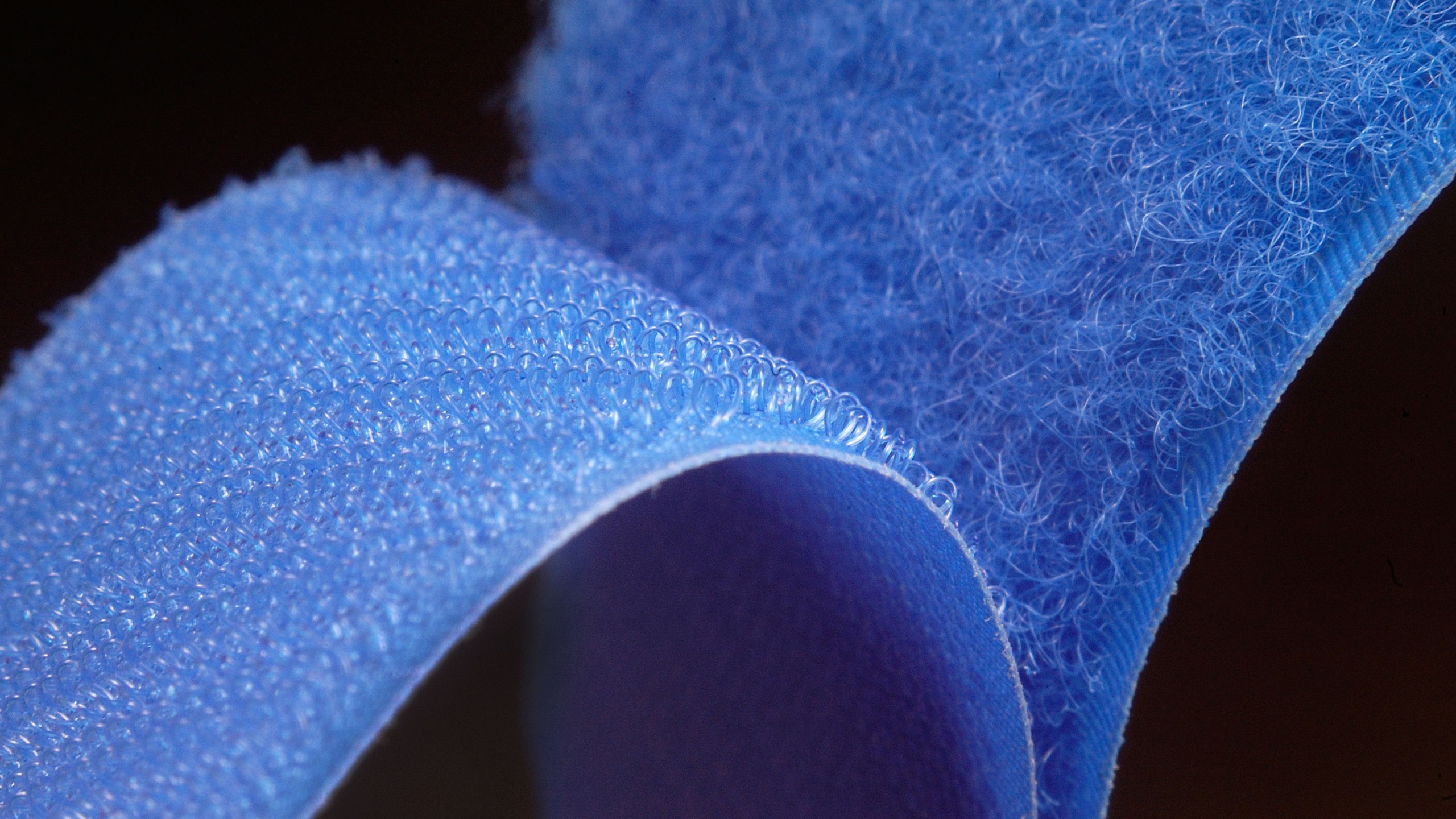
George de Mestral was just taking a hike with his dog when he noticed something strange about the burdock burrs covering the dog’s fur. Upon closer inspection, he discovered millions of tiny hooks that could catch onto any fabric with a loop.
After creating his own “hook and loop” material with pieces of nylon, it took him ten years to develop the world’s bestselling adhesive we now know as Velcro.
Alarm clocks

Modern alarm clocks let us choose any time we want to wake up, but the earliest mechanical versions were far less flexible. The very first alarm clock ever created was set to only ring at one time: 4 AM.
It was invented by Levi Hutchins in 1787 solely because he had to wake up at the same time every morning for work. Since he wasn’t interested in selling it, he never bothered to make the time adjustable. This meant anyone else using it would have had to adapt their entire life to that single early morning bell.
Zipper
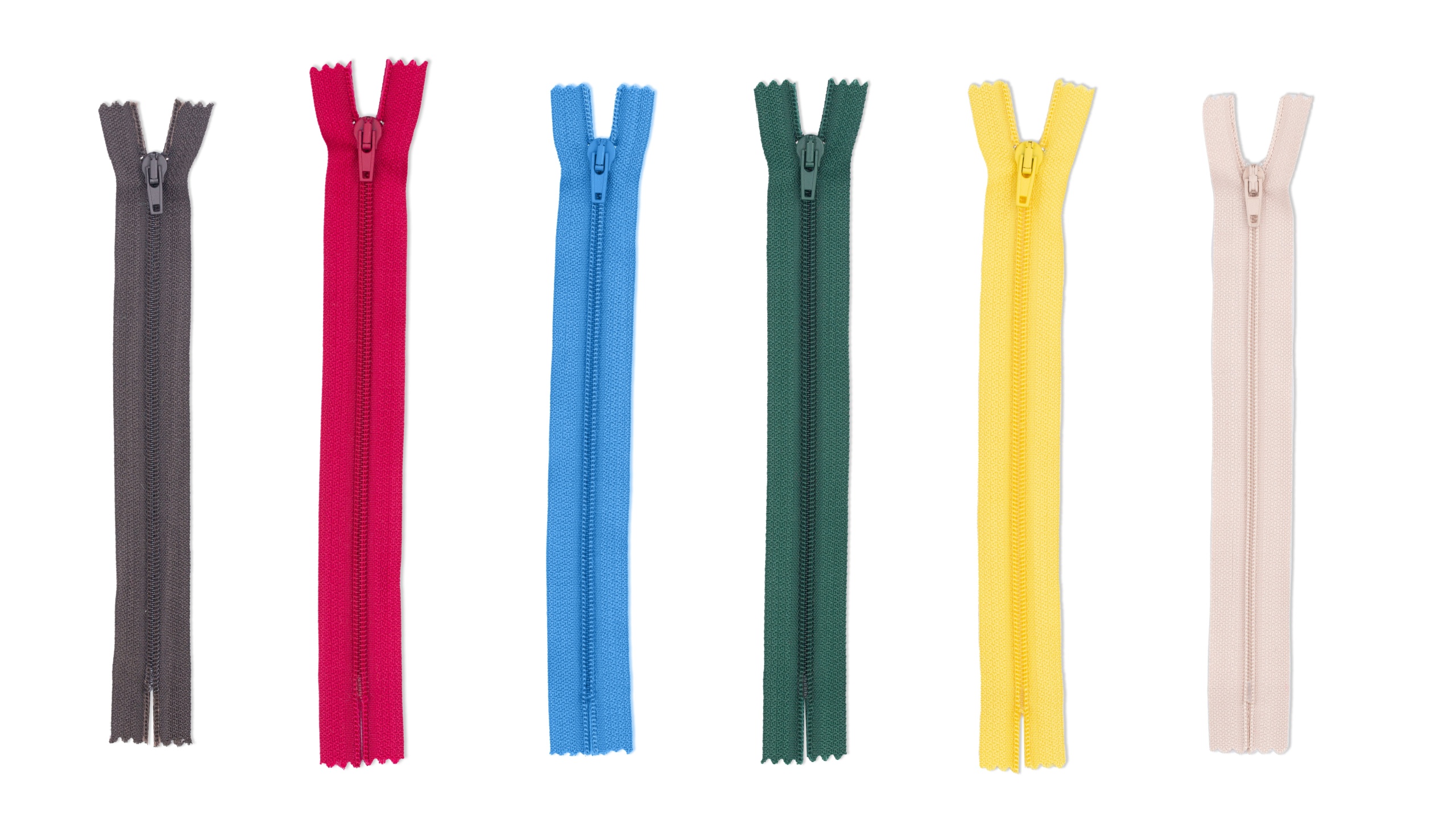
It’s hard to believe that the zipper was created as early as the late 1800s, and took until the 1930s to be actually used on clothing. Early zippers would constantly get stuck open at inappropriate times, which is why people stuck with good old buttons and snaps.
That is until when they were marketed for children that people realized how amazing the zipper would one day be. Before then, they were reserved for boots and tobacco pouches.
Matches
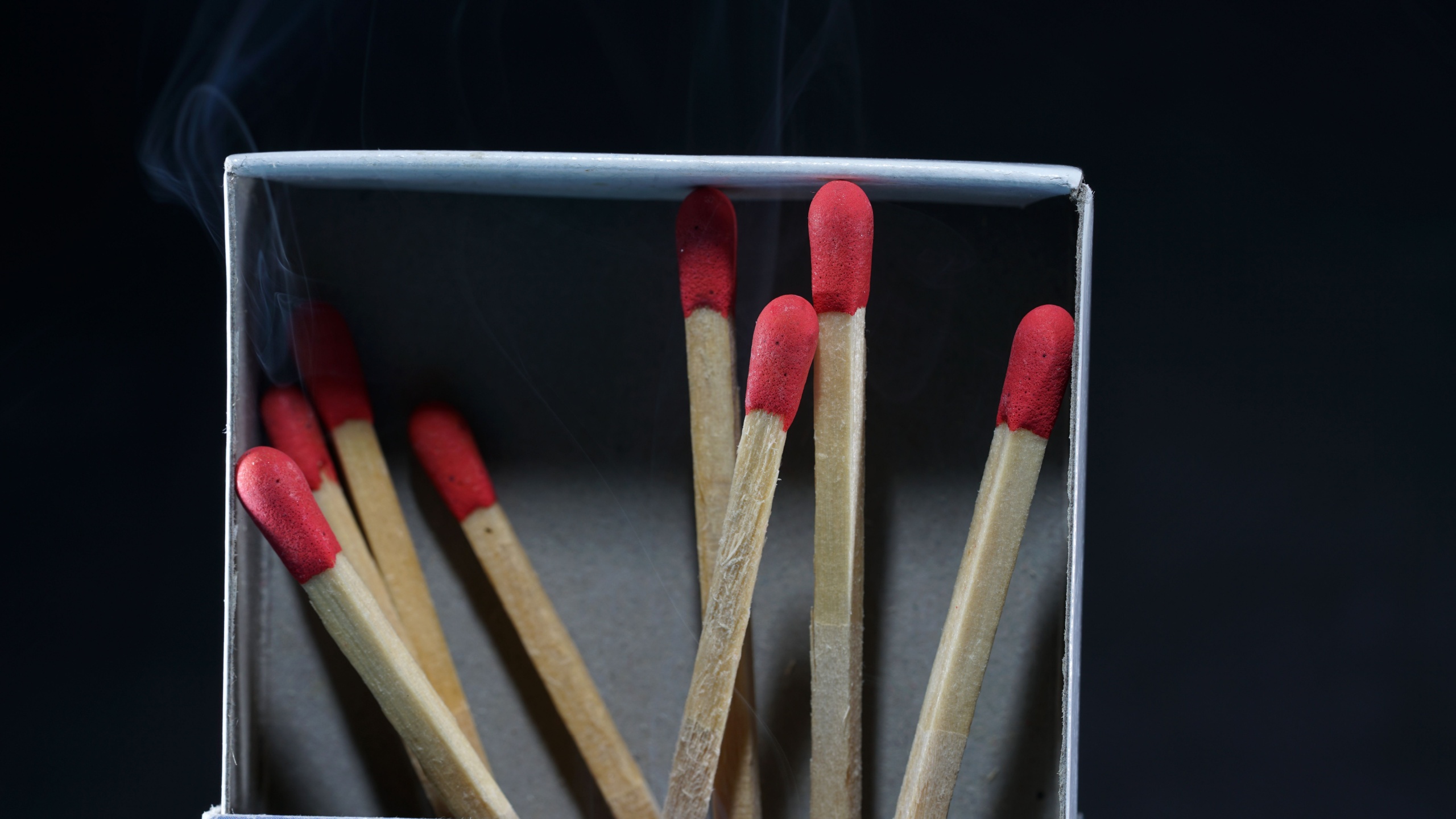
The match wasn’t always as reliable as it is today because early versions could blow up in your pocket. Early “matches” were prone to exploding if they were jostled around too much. So many fires were started by accidents. It took decades before the match head and box were separated to create the safe matches we know today.
Paper clip
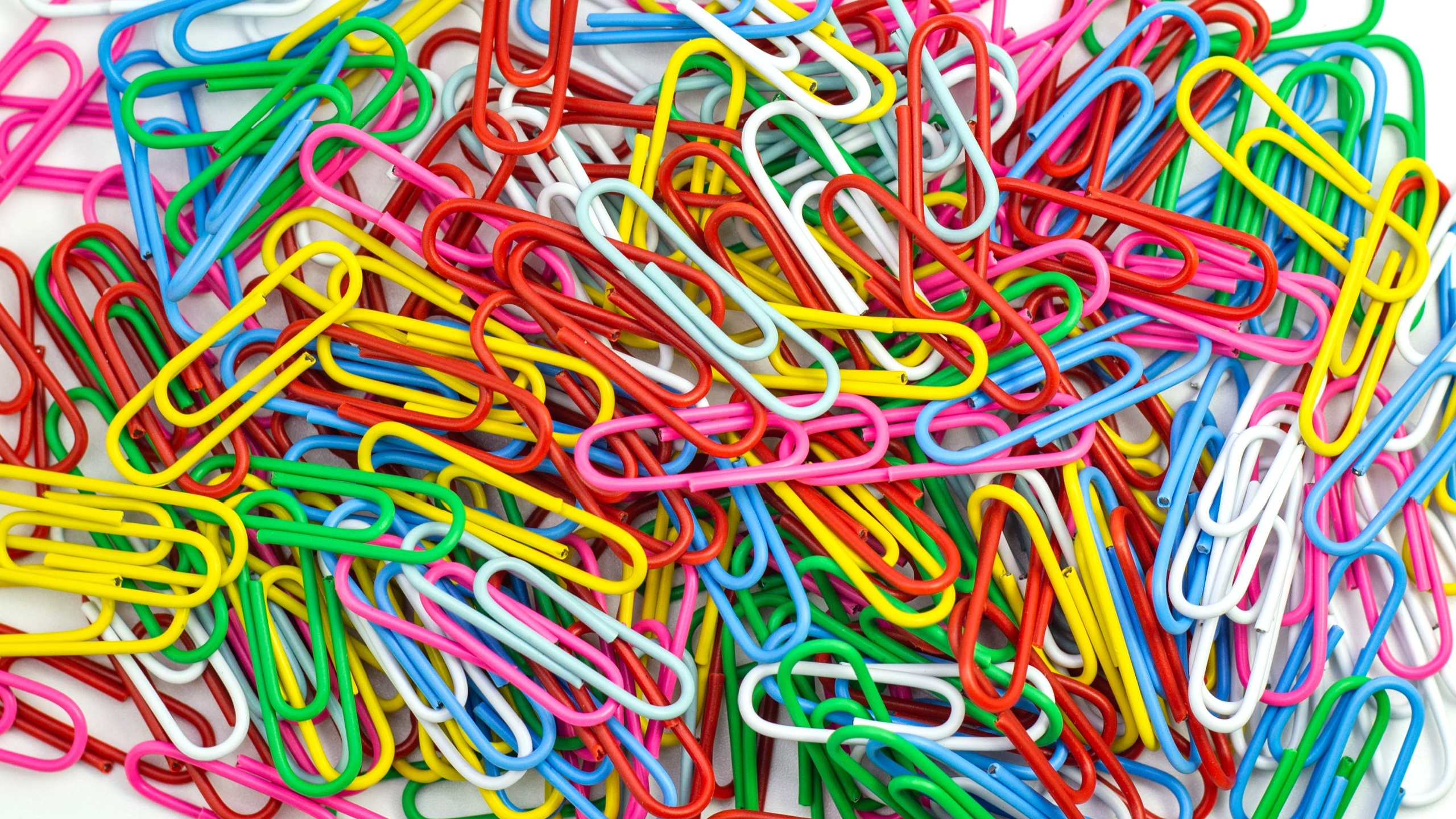
You wouldn’t think Nazi Germany would start a trend, but it did with stationery. After Norway was taken over by the Germans, wearing anything expressing patriotism was forbidden. But the people rejoiced in loyalty by bending paper clips into their collar buttons. It was a small gesture, they figured the Nazis wouldn’t pick up on to show solidarity with their king.
Jeans
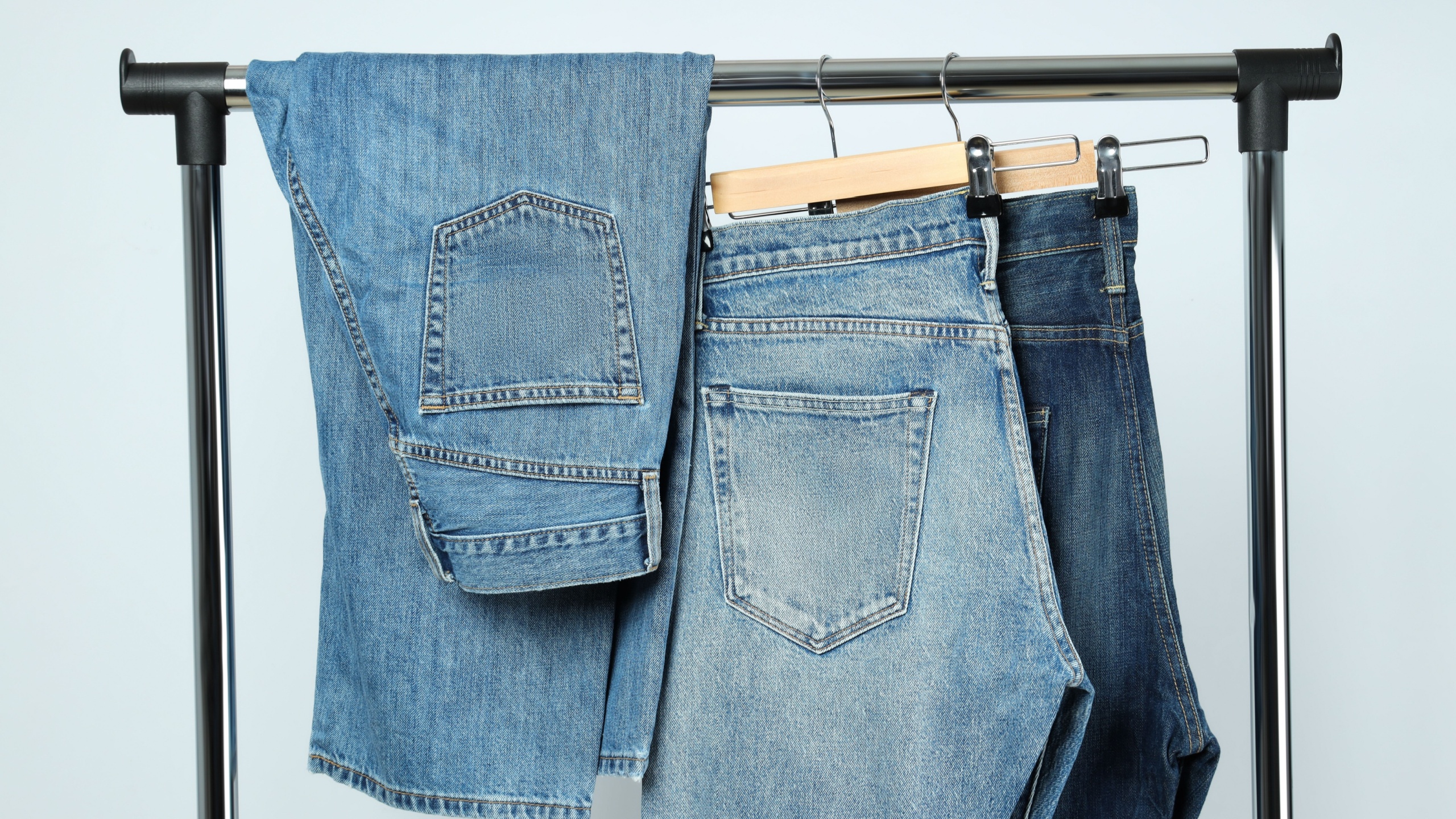
Mining during the gold rush was difficult and required pants that could withstand heavy wear and tear. Coal miners would tear their pants every other day because they dug with picks and claws.
Levi Strauss and Jacob Davis had the idea to use extra durable denim and put copper rivets on the pockets. These pants were only ever meant to be work pants and weren’t popularized until celebrities wore them in the ’50s.
The following sources were consulted in the preparation of this article:
- History of the Zipper
- The History of Play-Doh: Good, Clean Fun!
- All About the Slinky
- The History of High Heels: 10 Facts That Surprise You
- The Accidental Invention of Bubble Wrap
- History of the Microwave Oven
- The History of the Tea Bag
- A Brief History of Velcro
- Treadmills Were Meant to Be Atonement Machines
- Listerine
- Who Invented Sunglasses?
- A Brief History of Alarm Clocks
- A History of Matches
- How the Humble Paperclip Became a Secret World War II Symbol
- How the Toothpaste Tube Evolved