Most of us can’t think straight without a solid night’s sleep or a good cup of coffee. But not all animals. Some of them barely close their eyes & they’re able to run on full energy.
Here are seven animals that can function on almost no sleep at all. Which one do you think has the easiest life?
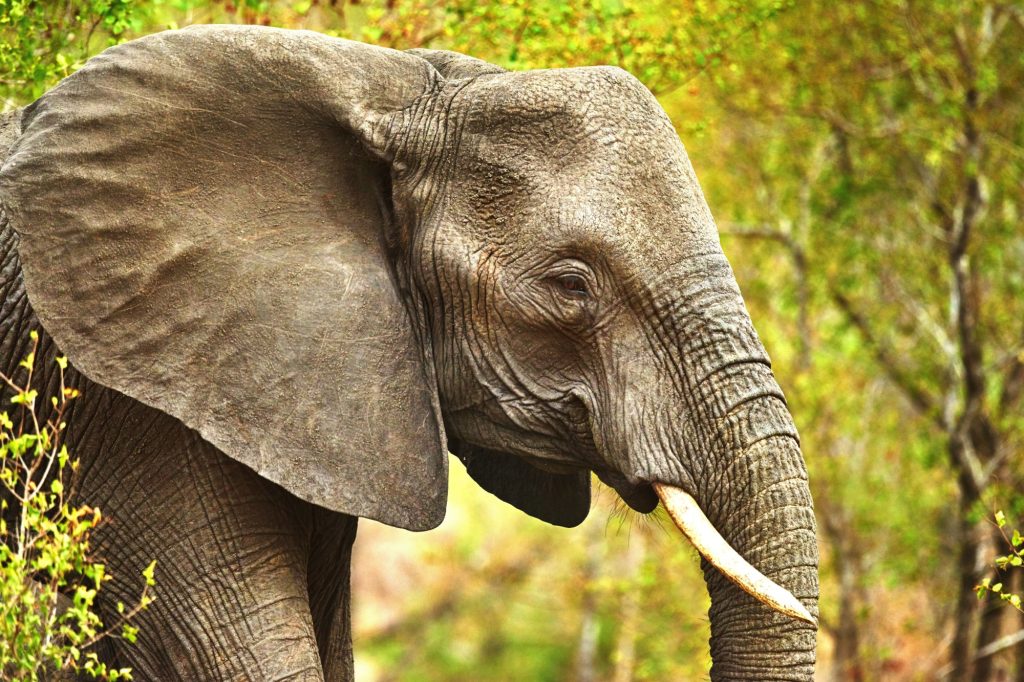
African elephants
Elephants are the largest land animals, yet they’re also some of the lightest sleepers. They average around two hours of sleep every day. Sometimes, they can do with less.
Most elephants stay standing & swaying gently, only lying down every few days for a proper nap. Their REM sleep, the kind of sleep where you dream, lasts barely a few minutes.
Great frigatebirds
Sleeping while flying over the ocean sounds impossible. But frigatebirds do exactly that. They take tiny naps that last a few seconds & keep one half of their brain awake to avoid crashing mid-air.
They’ll sleep like normal birds only on land. However, out at sea, they make do with approximately 45 minutes of rest total in 24 hours.
Northern elephant seals
Elephant seals spend many months hunting prey far from shore. They’ll only nap while they’re diving hundreds of feet underwater. Even then, they sleep for a few minutes before floating back up half asleep.
How much sleep do they get in a day? Less than 2 hours. But that’s somehow enough to keep them going between meals.
Bottlenose dolphins
The idea of sleeping with one eye open is true for dolphins. Half their brain switches off while the other half stays awake, helping them to surface when they need to breathe. They’re also able to watch for danger without ever being fully unconscious.
Dolphins take turns between turning each brain half off. Essentially, they never completely shut down in the way that we do with our brains.
White-crowned sparrows
White-crowned sparrows barely sleep during migration season & they will only nap in very short bursts. They’ll spend most of the night flying. But what makes these animals so incredible is that they’re able to fly thousands of miles each season without ever collapsing from exhaustion.
It’s only once they arrive at their destination that they’ll fully sleep.
Pectoral sandpipers
Mating season is important for all animals, and pectoral sandpipers are no different. In fact, male sandpipers will stay awake for up to three weeks chasing mates. They’ll do this during the Arctic summer, when the sun never sets.
What do they do during this time? Simply moving & calling, perhaps defending their ground, and the ones that sleep for the least time are often the ones most “successful” during mating season.
Common swifts
Common swifts are another kind of bird that can fly for long stretches without sleeping. They’ll stay in the air for nearly ten months without landing. Yes, that means they’ll eat & drink, as well as sleep, in mid-air.
Swifts only take small brain breaks in the air. They’re capable of flying ten months straight in the sky. Not bad for a bird that’s lighter than an ounce.
The following sources were consulted in the preparation of this article:
- Inactivity/sleep in two wild free-roaming African elephant matriarchs – Does large body size make elephants the shortest mammalian sleepers?
- Evidence that birds sleep in mid-flight
- Brain activity of diving seals reveals short sleep cycles at depth
- Dolphins Can Maintain Vigilant Behavior through Echolocation for 15 Days without Interruption or Cognitive Impairment
- Adaptive sleep loss in polygynous pectoral sandpipers
- Migratory sleeplessness in the white-crowned sparrow (Zonotrichia leucophrys gambelii)
- Annual 10-Month Aerial Life Phase in the Common Swift Apus apus