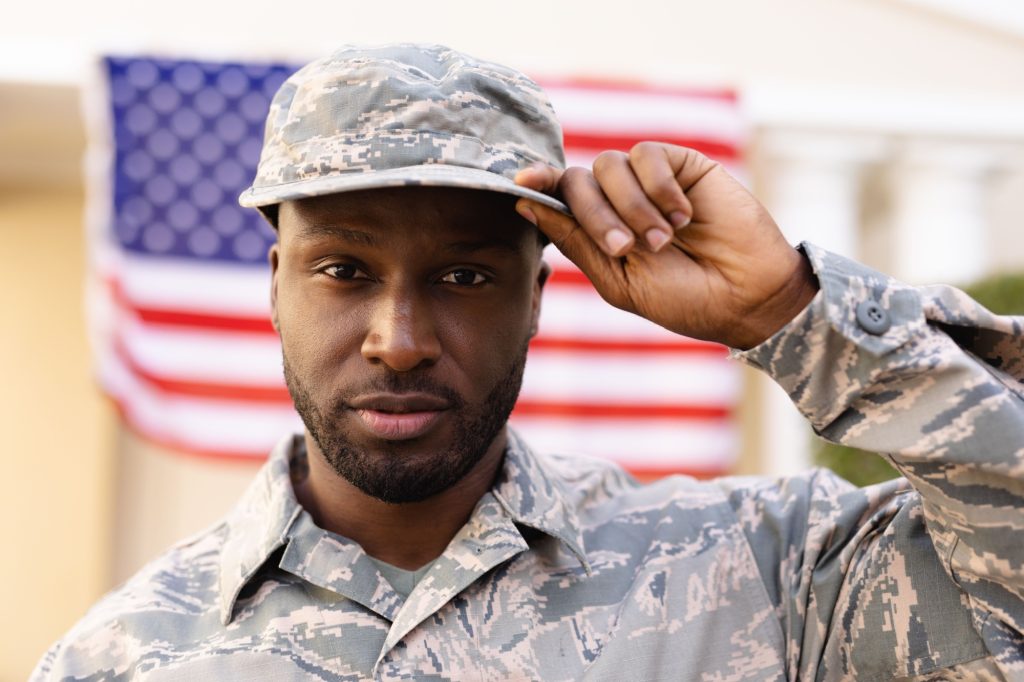
You see a U.S. military uniform and all you think is, “That’s a military uniform, it looks practical.” And you’re right. It is practical. That’s not the whole story, though. Dig a little deeper and you’ll see that military uniforms are full of meaning, history, and smart design choices.
Designers have gone to great lengths to meak sure these uniforms mean something and do something useful. Here are seven elements of U.S. military uniforms that will surprise and delight you.
The U.S. flag patch seems to be facing forward
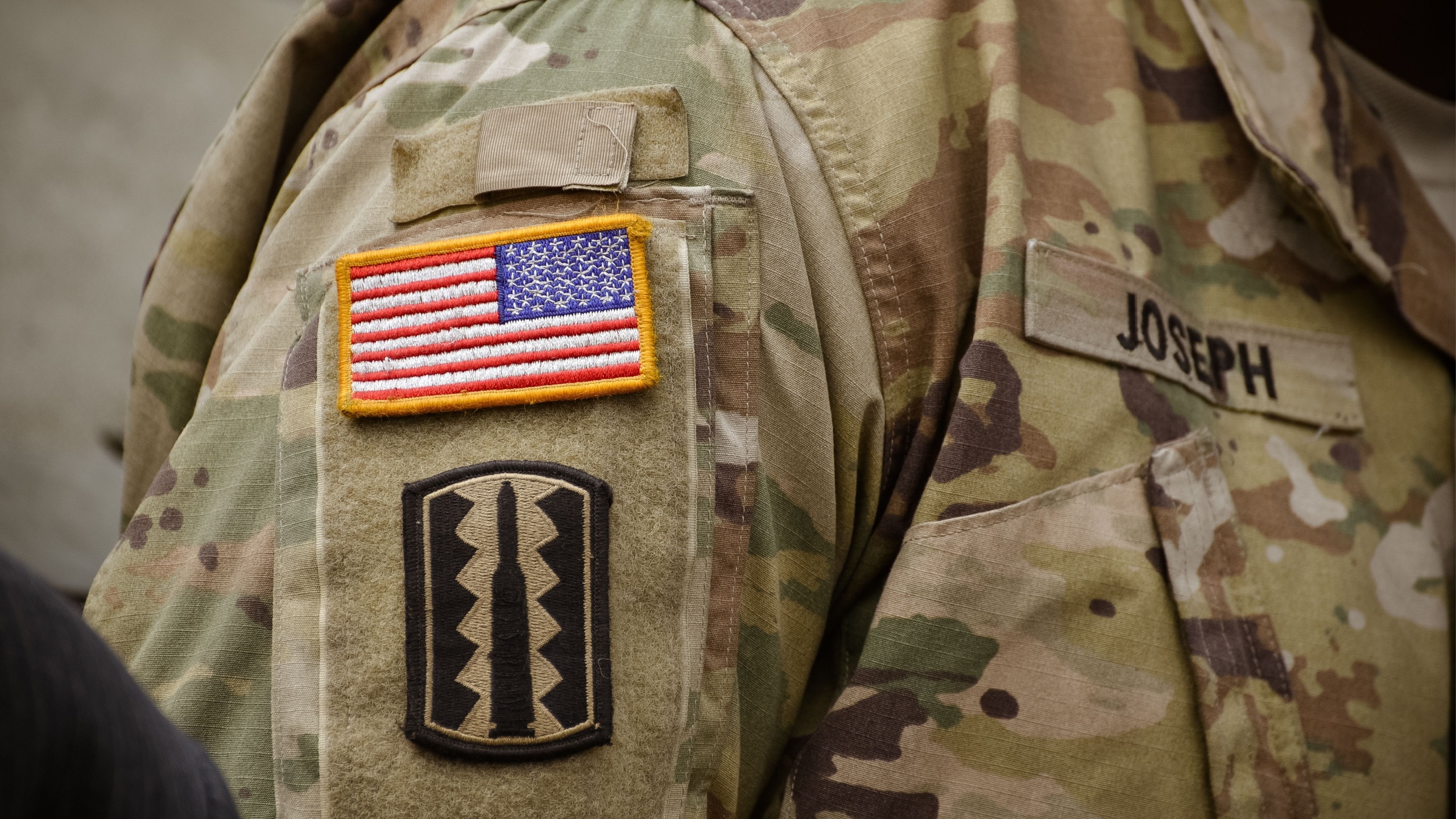
The patch on a U.S. combat uniform with the U.S. flag on it seems backward. But it’s not. The patch is designed so that the field of stars is on the forward edge of the arm. It looks like the flag is flapping in the wind as the soldier moves forward. It’s an intentional design that allows the flag to always look like it’s advancing and not retreating.
Sailor uniforms have secret historical meanings

The U.S. Navy “crackerjack” jumper is not only adorable, but it’s also historical. Those back flaps on the jumper began life as protective flaps so the grease from sailors’ hair would not so easily come off on the uniform. Back in the day, sailors would grease their hair to help it stick in place as they moved around in the ship’s rigging.
The three white stripes on the jumper represent three major victories by the British Royal Navy’s Admiral Lord Nelson, paying tribute to early naval influences.
Some fabrics are built to save lives
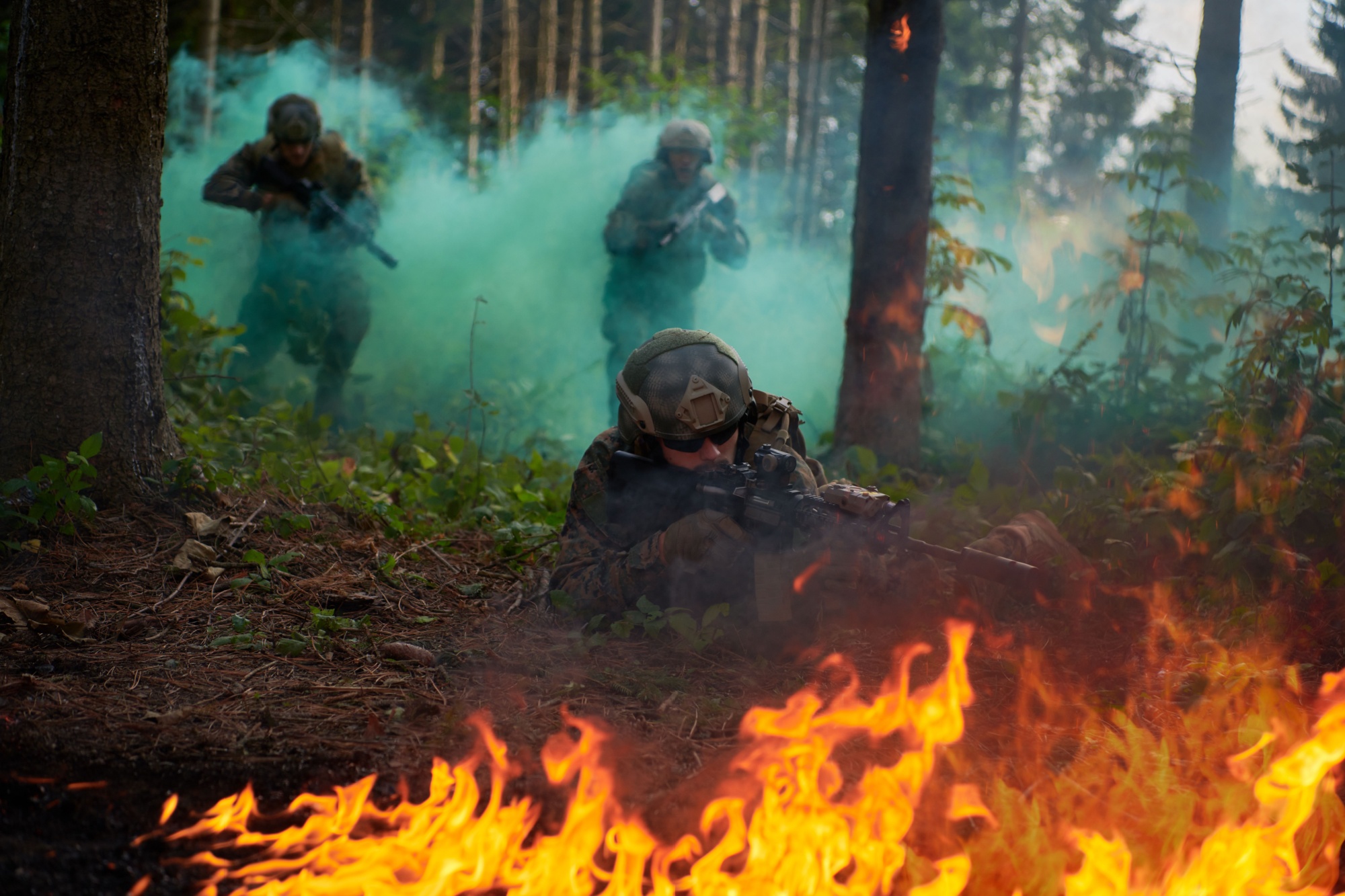
Combat uniforms aren’t just made to help military members blend into the environment. Sometimes, the fabric itself is actually life-saving. Modern combat uniforms are often made from flame-resistant fabric like TenCate Defender M, which self-extinguishes when exposed to open flame or even radiant heat sources.
That means if an explosion happens nearby or there is some other nearby fire, the uniform will not melt onto the wearer’s skin. This drastically cuts down on the risk of burn injuries.
Uniforms tell your whole story at a glance
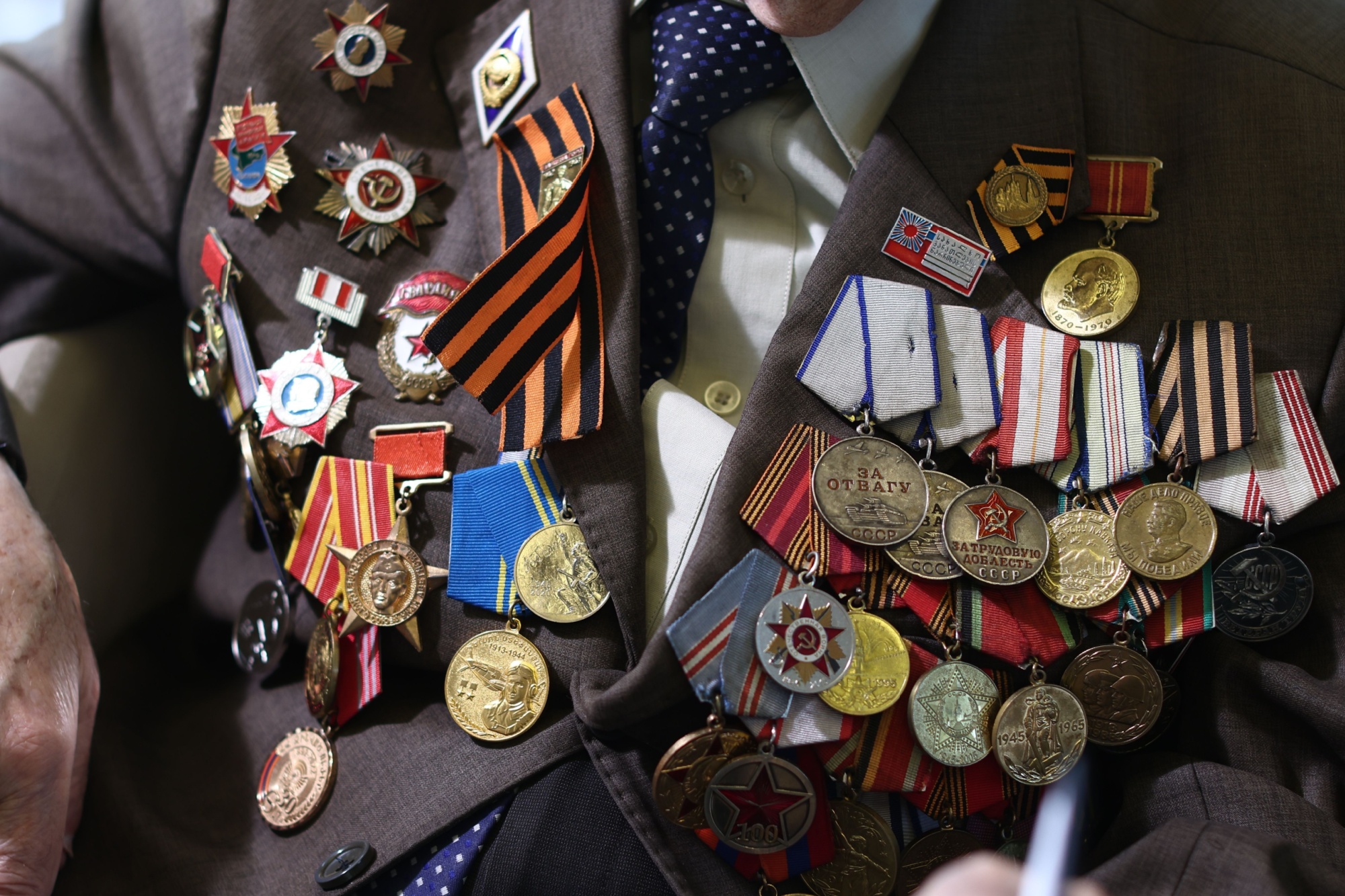
Uniforms let others see more than just rank. Uniforms can tell the story of a military member’s service history. Service stripes sewn on the sleeve indicate how many years of service. In addition, ribbons and badges may indicate campaigns, qualifications, or other special skills. Scan a uniform long enough and you might as well be looking at a résumé.
Camouflage patterns have their own evolution story
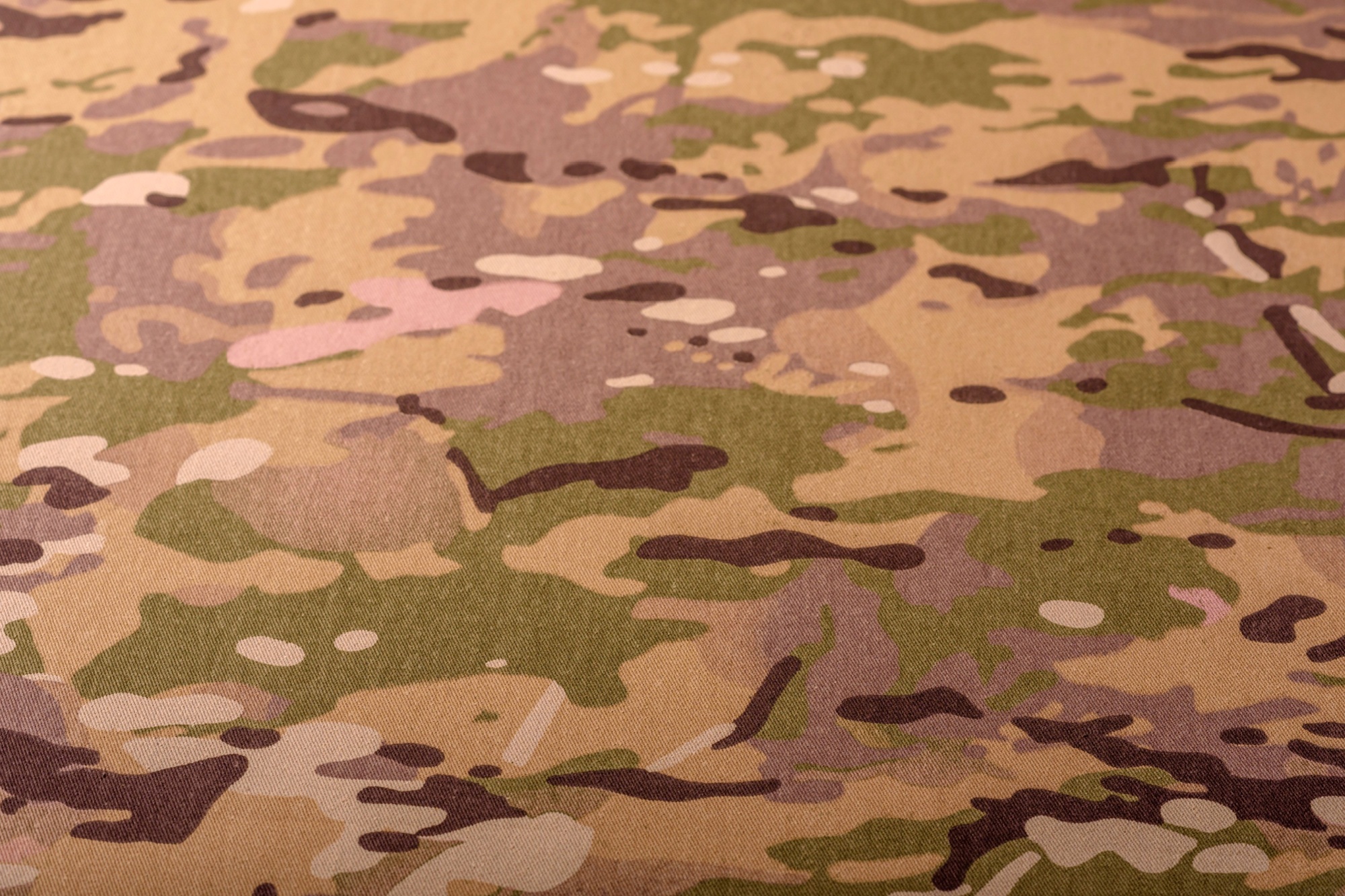
Before digital camo, there were patterns like Frog Skin. This was one of the first camouflage patterns created that were specifically disruptive in design to break up a soldier’s shape in jungle environments. Made during World War II, it was one of the first attempts to help soldiers blend into their surroundings.
Hidden “liberty cuffs” were a former sailor tradition
In the early 1900s, U.S. Navy sailors decorated the inside cuffs of their uniform shirt sleeves when they were on leave, which were known as liberty cuffs. These embroidered patches could only be seen when the sleeves were rolled up. This made them a sort of covert personal flair among sailors before regulations banned them.
Some uniform buttons are placed to prevent injuries

On older U.S. military uniforms, especially the 19th century and early 20th century styles, button placement was not random. They were often placed in certain locations to relieve chafing and pressure when walking long distances while carrying heavy packs or weapons. In some uniforms, the buttons would be placed a little off center so they didn’t dig into a soldier’s body during extended movement or in combat.
The following sources were consulted in the preparation of this article: