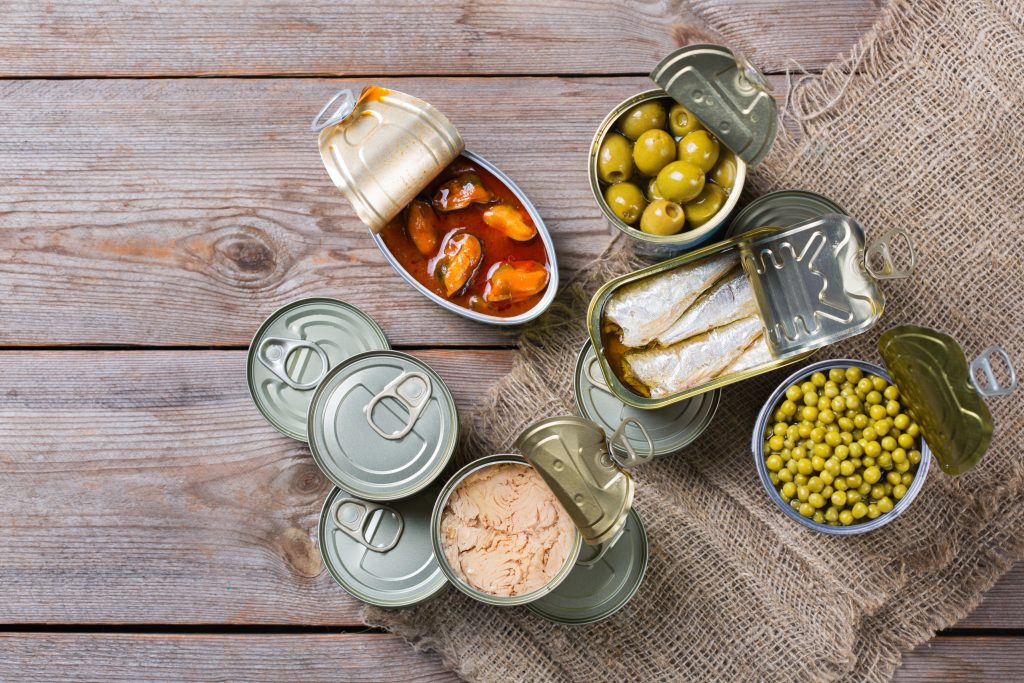
Believe it or not, some of your favorite packaged foods sitting in your pantry wouldn’t be around today if not for the needs of soldiers fighting overseas.
M&M
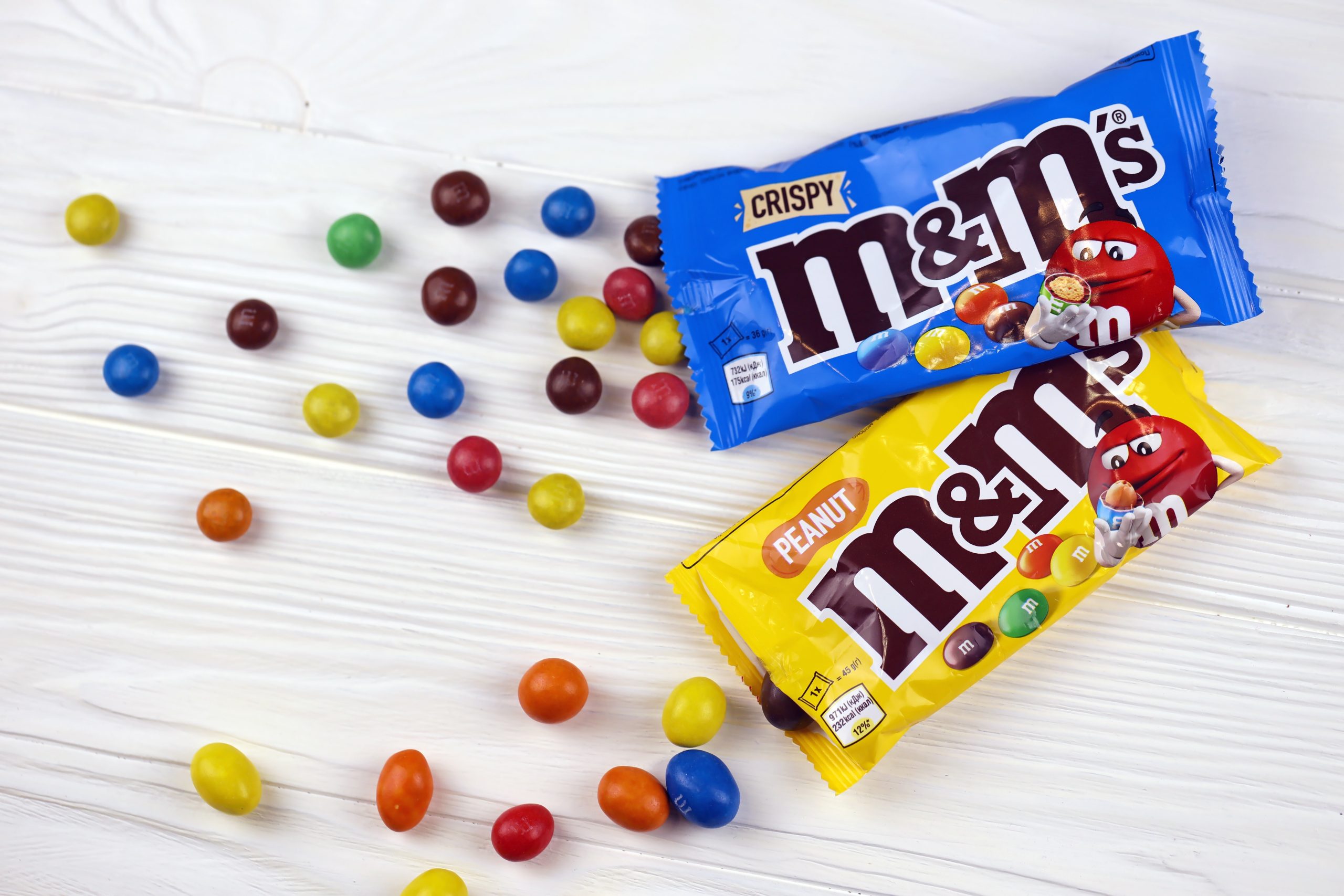
Forrest Mars Sr. realized soldiers in the Spanish Civil War were eating bite-sized chocolates with a hard sugar coating that kept the cocoa from melting in the heat.
Mars developed his own formula and began selling M&Ms in 1941. During World War II, he sold the candies exclusively to the U.S. military so troops stationed in warm countries could enjoy chocolate without it melting inside their bags.
Instant coffee
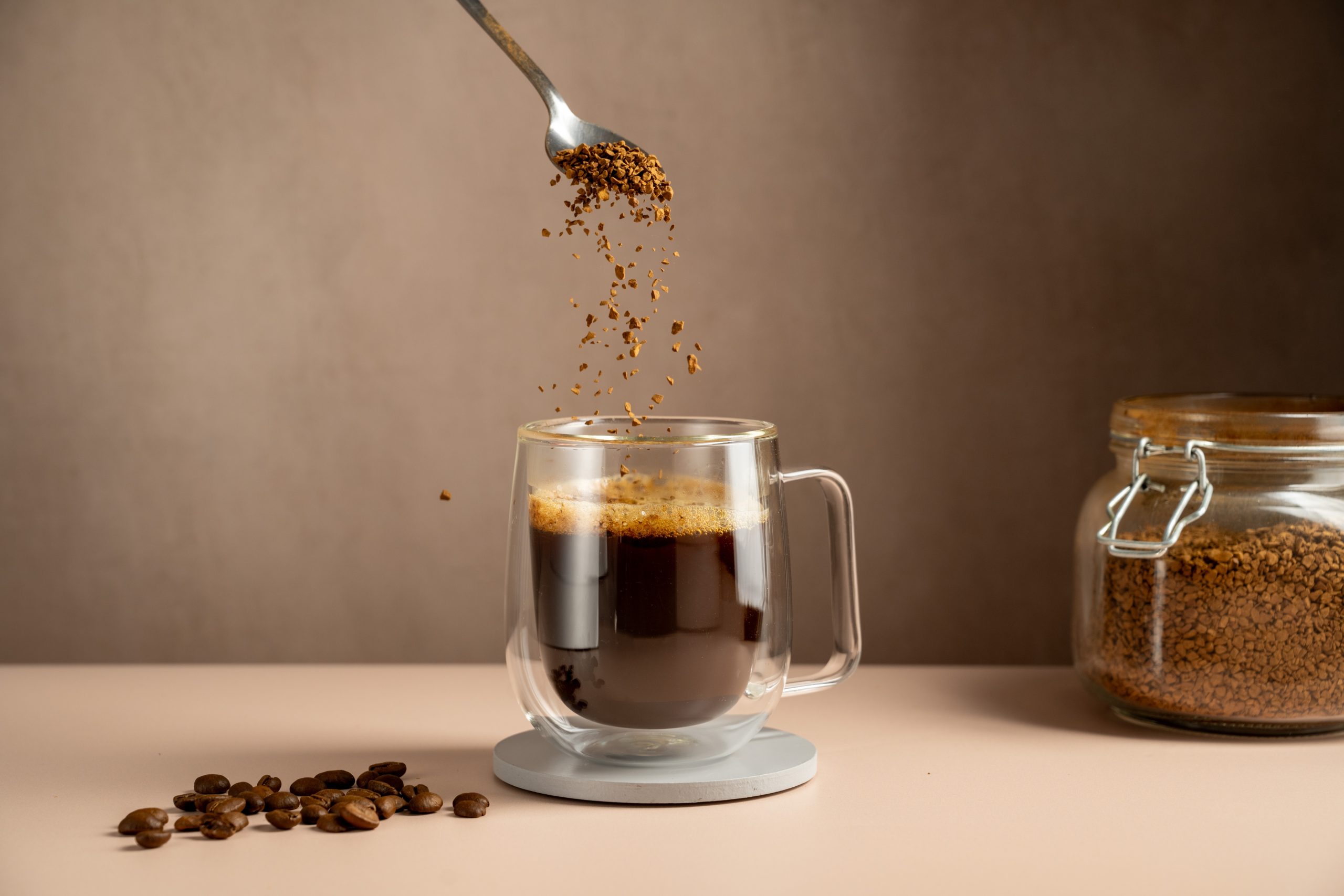
Although primitive forms of soluble coffee had been available since the 19th century, instant was further developed and distributed widely when the U.S. War Department bought the entire U.S. supply of instant coffee during World War I.
Many doughboys in the trenches became dependent on the speedy caffeine hit, establishing an immense, habit-driven civilian demand when they returned from war.
Cheese powder
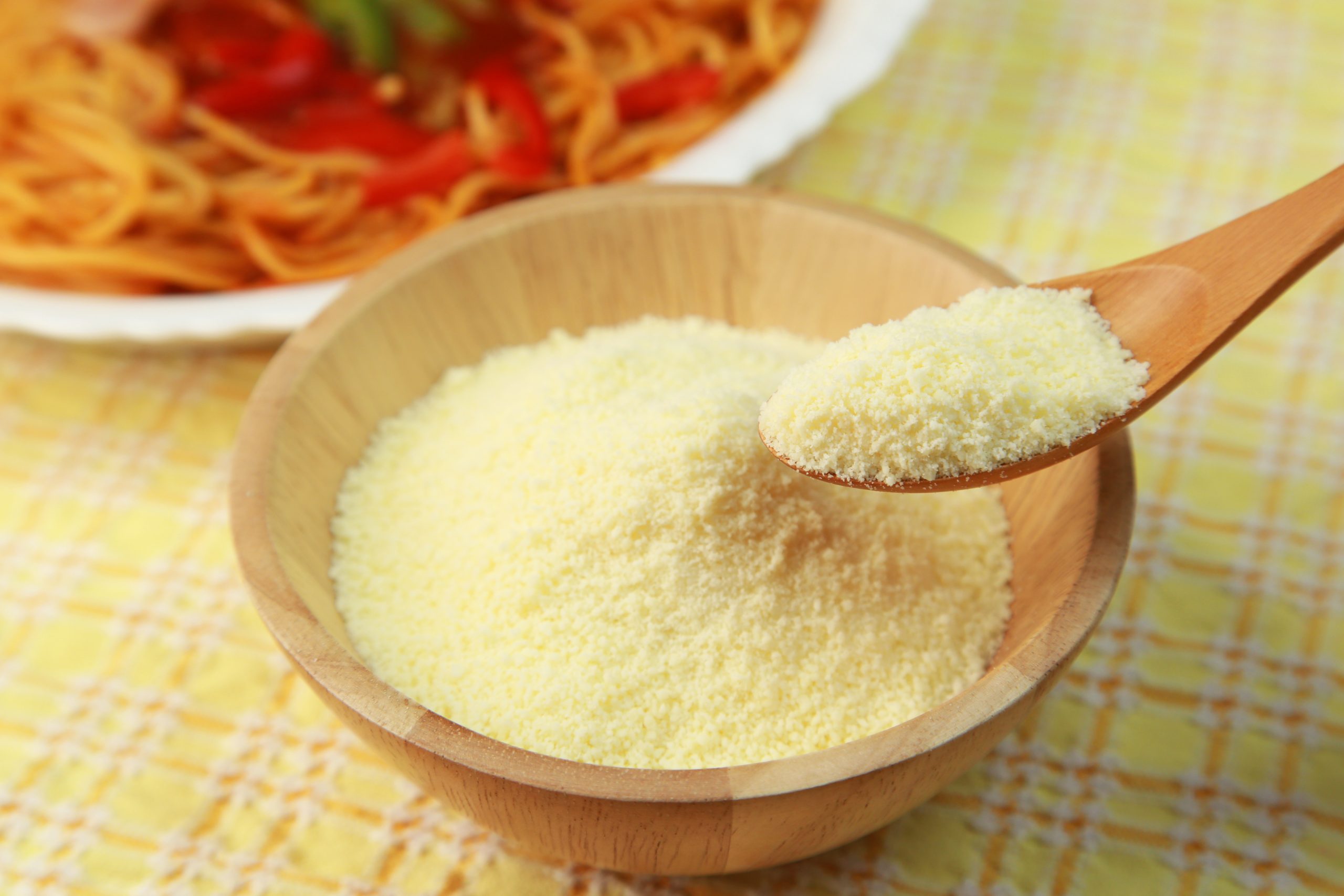
The dehydrated cheese powder that coats Cheetos, Doritos and boxed macaroni came into being in 1943. George Sanders, who worked for the U. S. Department of Agriculture and the U. S. Army Quartermaster Corps, came up with the idea.
It was a means to remove moisture from real cheese to compress it for overseas shipping as lightweight shelf-stable bricks. The cheese bricks were later pulverized by food manufacturers to become snack seasoning.
Canned food
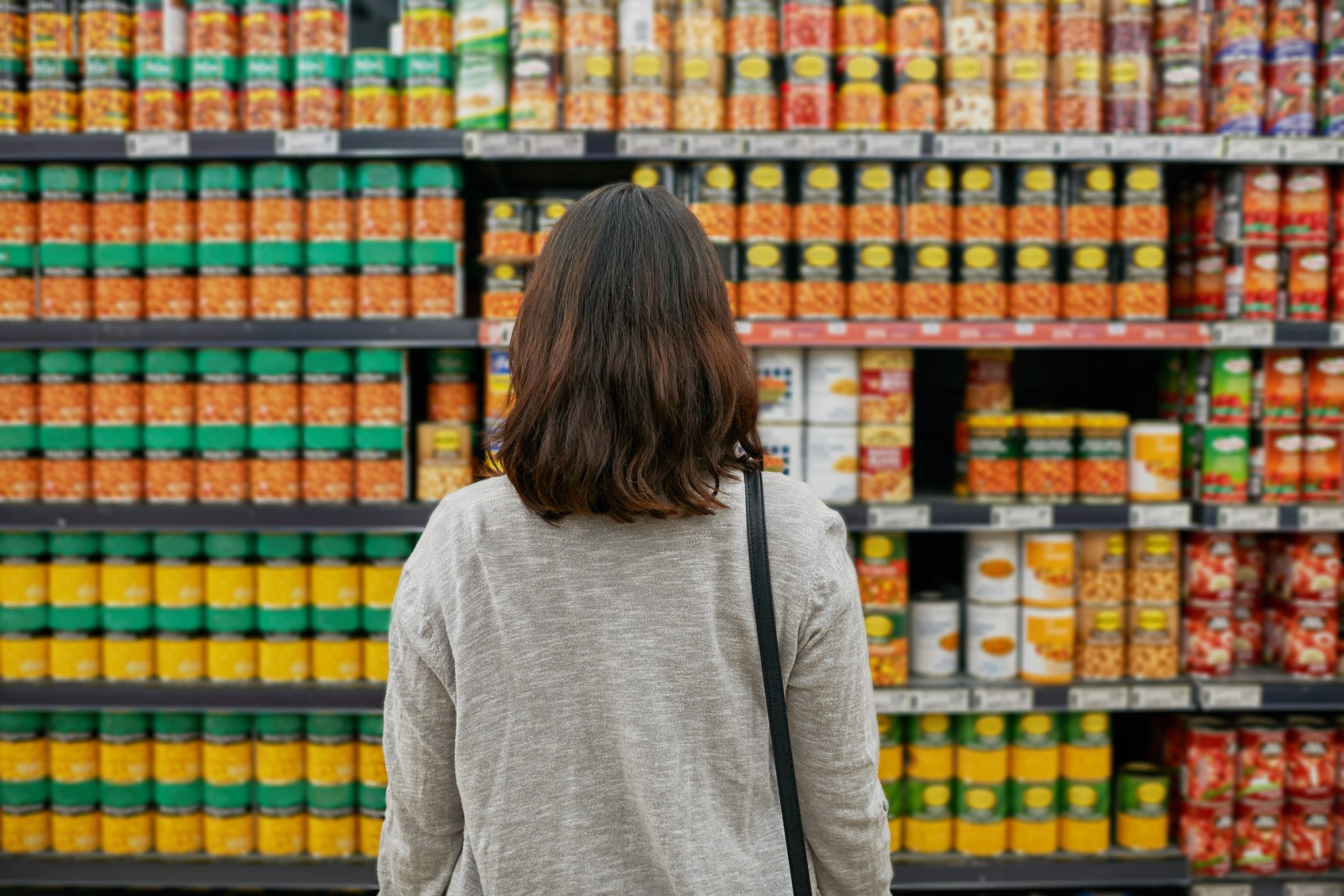
In 1795, starvation and diseases like scurvy caused more casualties in the French military than armed conflict. In hopes of finding a solution, Napoleon Bonaparte offered a 12,000 franc prize to anyone who could devise a way to keep food from spoiling for his marching armies.
Nicolas Appert, a confectioner, claimed the prize when he found that sealing cooked food in airtight glass jars prevented it from spoiling, which eventually led to canning in metal tins.
Condensed milk
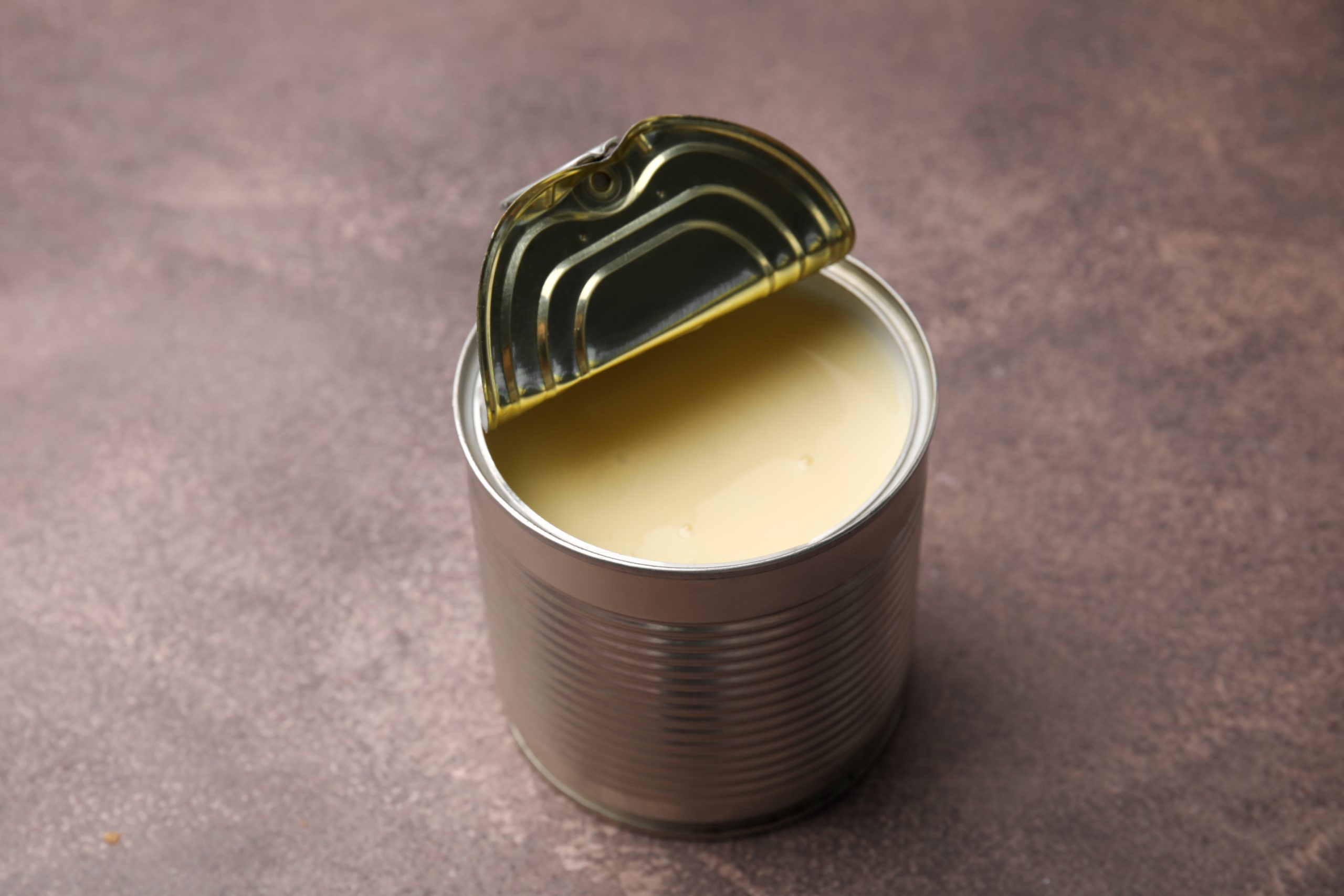
Sweetened condensed milk was patented by inventor Gail Borden in 1856. However, it wasn’t until the American Civil War began in 1861 that condensed milk caught on commercially.
The Union Army bought millions of cans to feed hospital patients and soldiers in the field with a high-calorie, long-lasting dairy source. Instantly successful, Borden’s condensed milk became a staple ingredient in home baking.
Spam
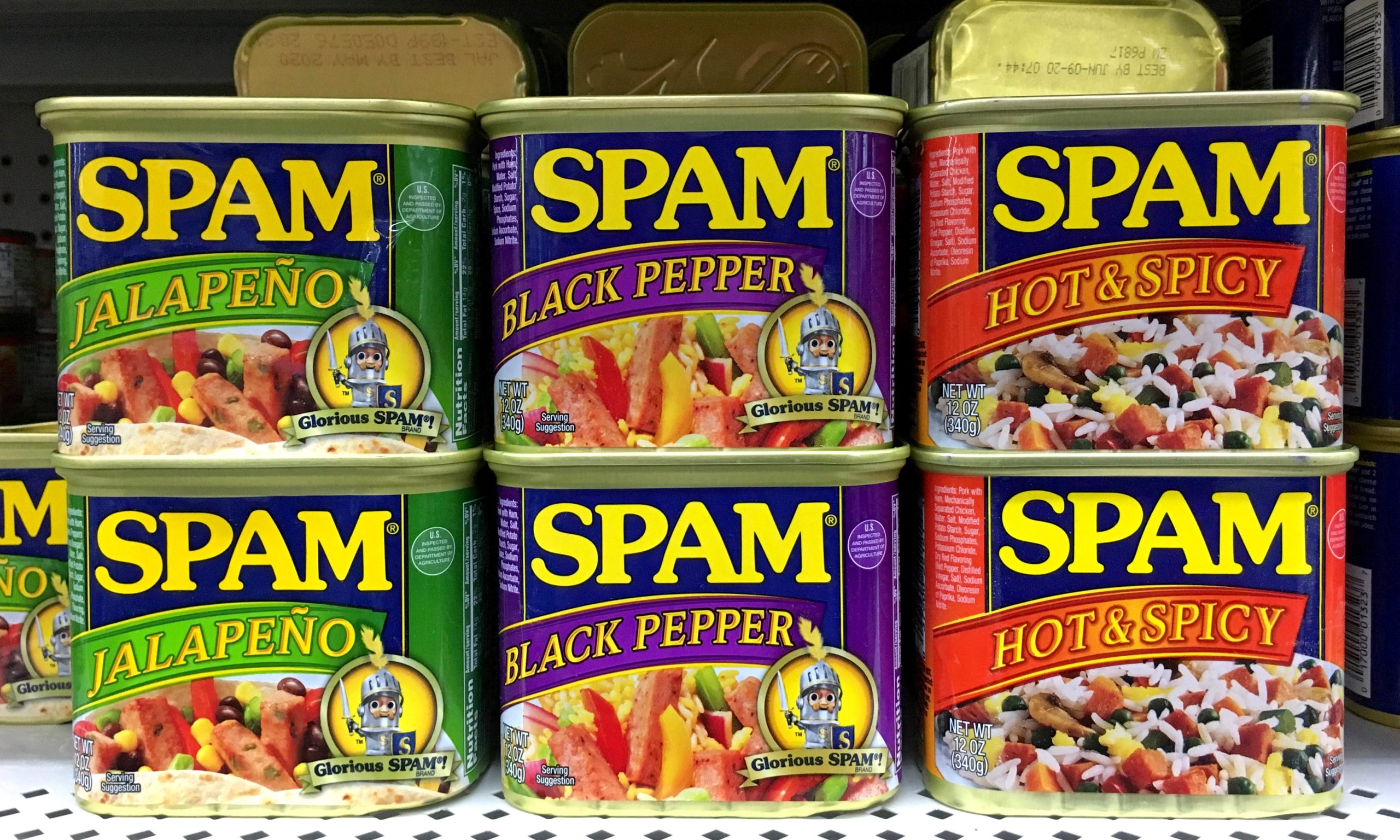
Spam was created by Hormel in 1937, but the canned pork shoulder did not become popular worldwide until World War II, when over 150 million pounds were bought by the U.S. military for its troops in Europe and the Pacific Theater.
As it didn’t need refrigeration and held up well under harsh conditions, Spam was shipped out to not only the Allied troops but also the local civilians of countries where troops were stationed. It became part of local diets in places like Hawaii, Okinawa, and the Philippines.
Energy bars
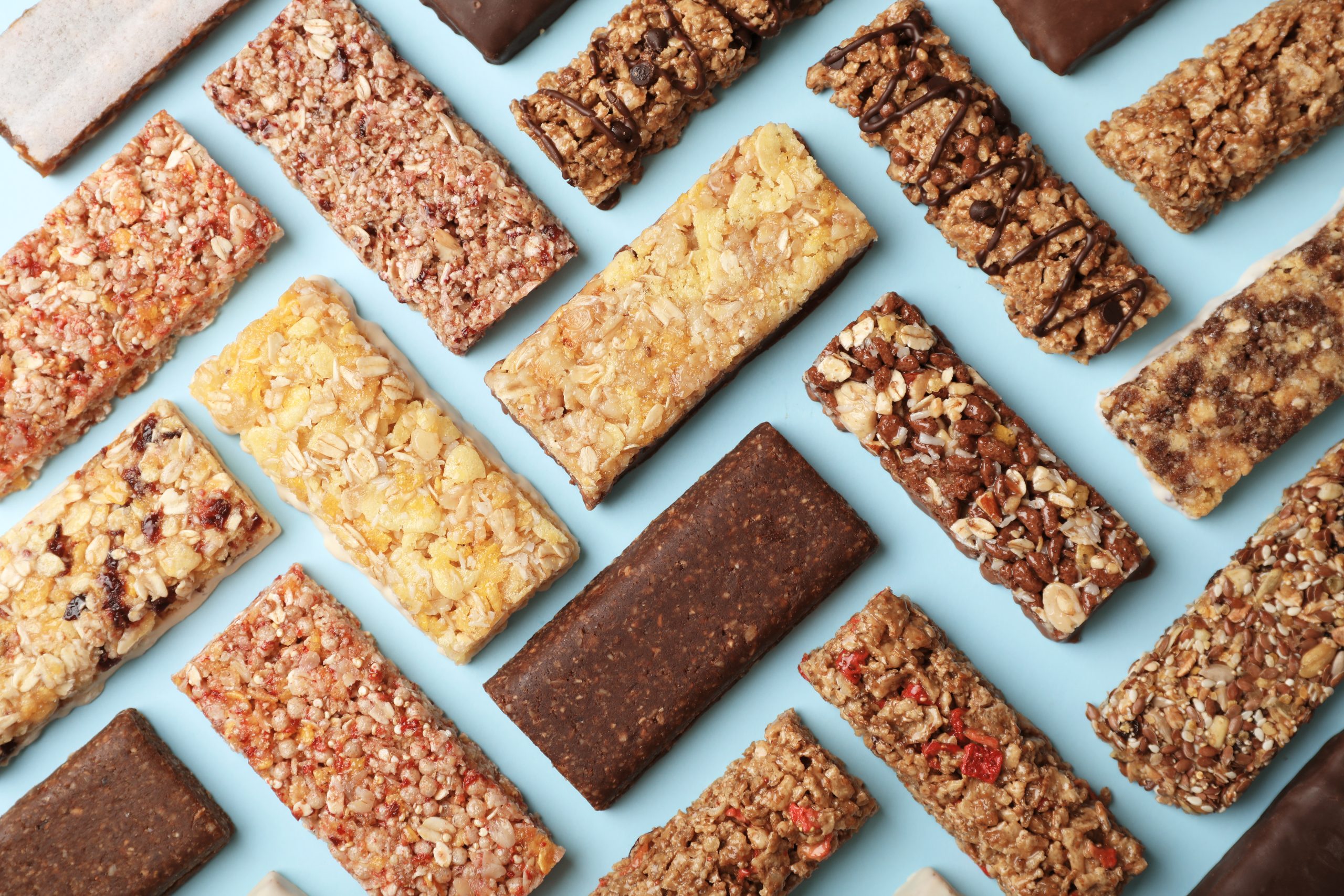
The ancestors of today’s energy and protein bars were military survival rations. The predecessor to modern-day bars began with the development of the U. S. Army’s “Ration D” bar in 1937.
Developed by the Army and Hershey Chocolate Company, the compact 600-calorie bar was intended to provide emergency food for soldiers behind enemy lines in case of an invasion.
Powdered eggs
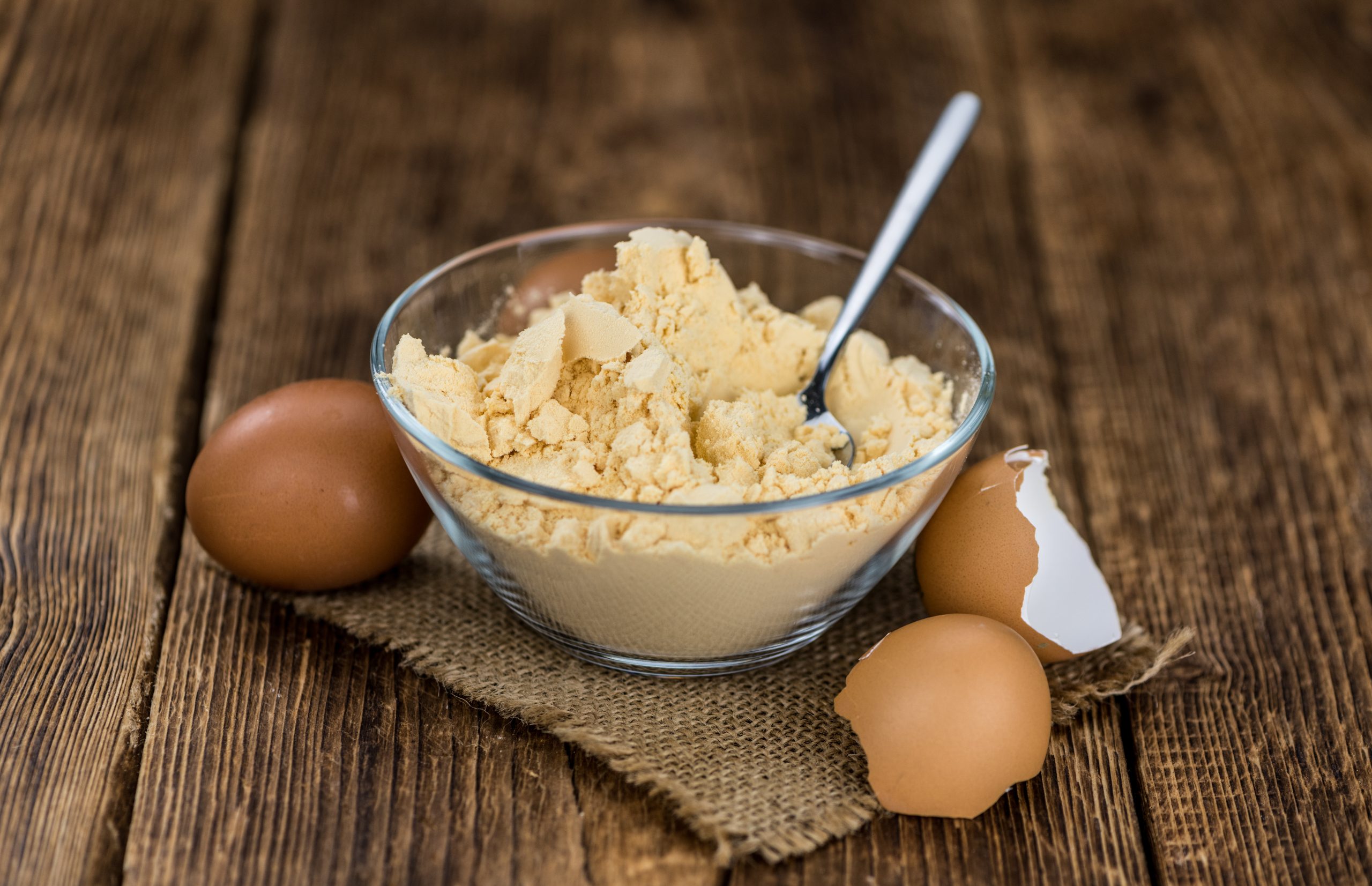
Military strategists required an easily portable substitute for fresh eggs with a long shelf life. Powdered eggs were consumed by soldiers throughout World War II all over the world. Now you can find them primarily in emergency preparedness foods, camp cuisine, and commercial bakeries.
Sources: Please see here for a complete listing of all sources that were consulted in the preparation of this article.
- M&M’S History
- Better living through Military innovation: Instant Coffee
- How the US Military Helped Invent Cheetos
- How Napoleon Influenced The Canned Food Industry
- Sweetened Condensed Milk Was Popularized By Soldiers
- A War Won With Spam (and a Few Other Things)
- The Rise and Rise of Energy Bars
- The History of Powdered Eggs During World War II