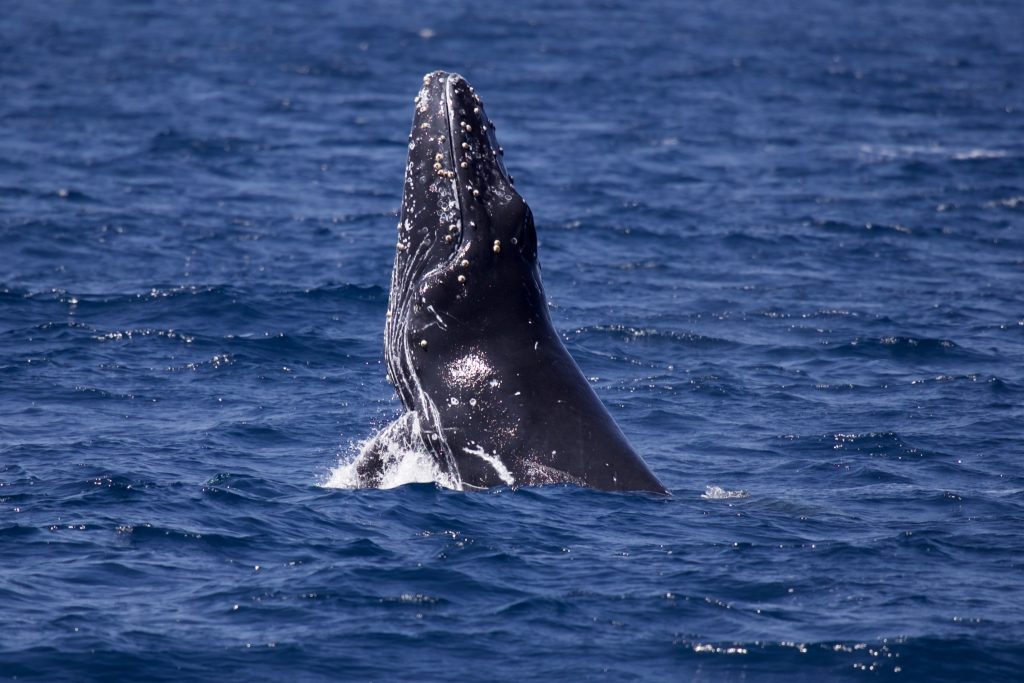
Whales are not only the largest animals ever known to have existed on Earth, but they have some of the most impressive adaptations and behaviors in the animal kingdom.
Blue whales can drop their heart rate to two beats a minute
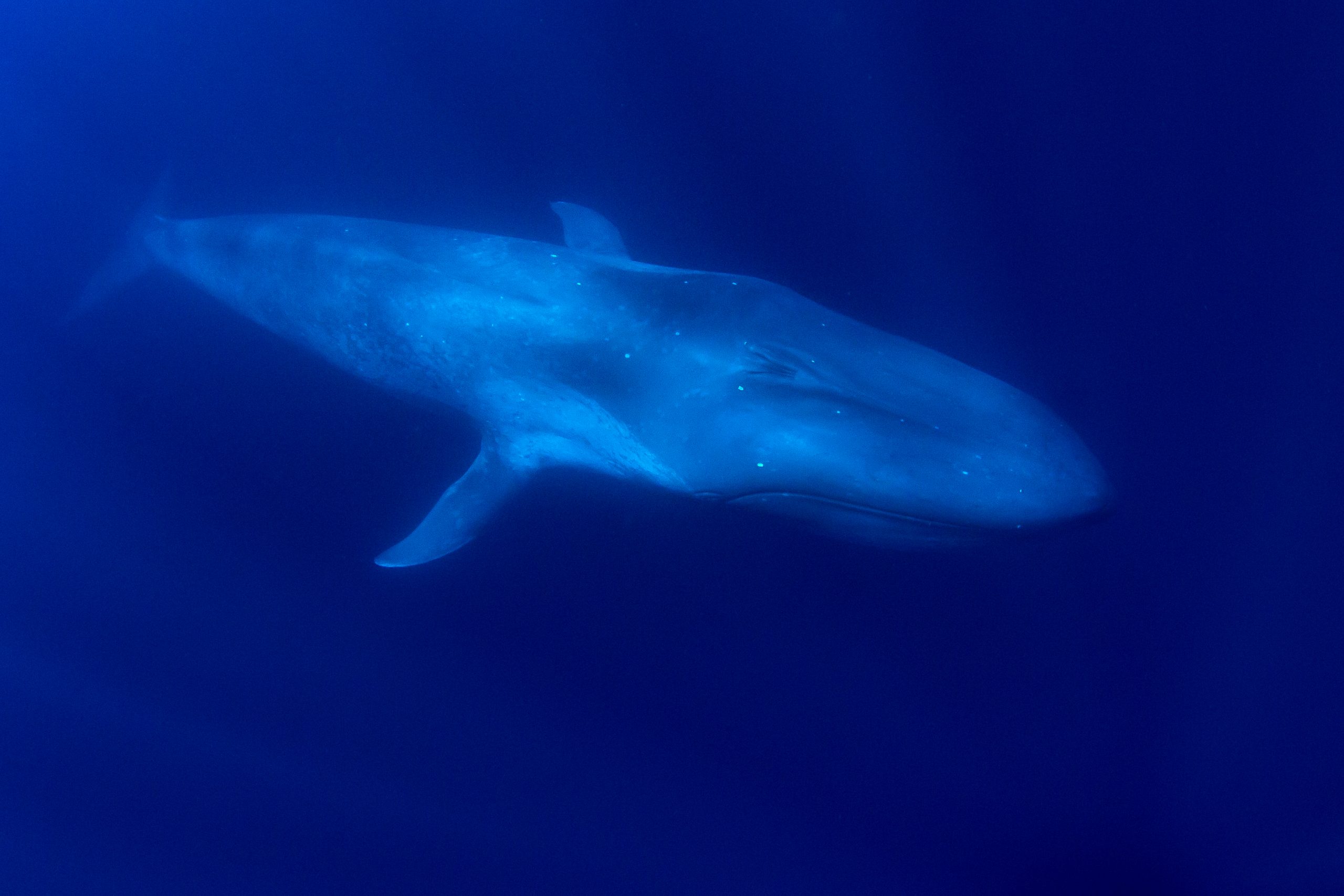
Blue whales can dramatically slow their heart rate while diving deep into the ocean in search of food. The whale’s heart can weigh 400 pounds, and when it dives, its heart can beat as few as 2 to 8 times per minute.
Slowing their heart rate allows more blood to flow to the brain and muscles while conserving oxygen.
Sperm whale clicks are the loudest biological sounds on Earth
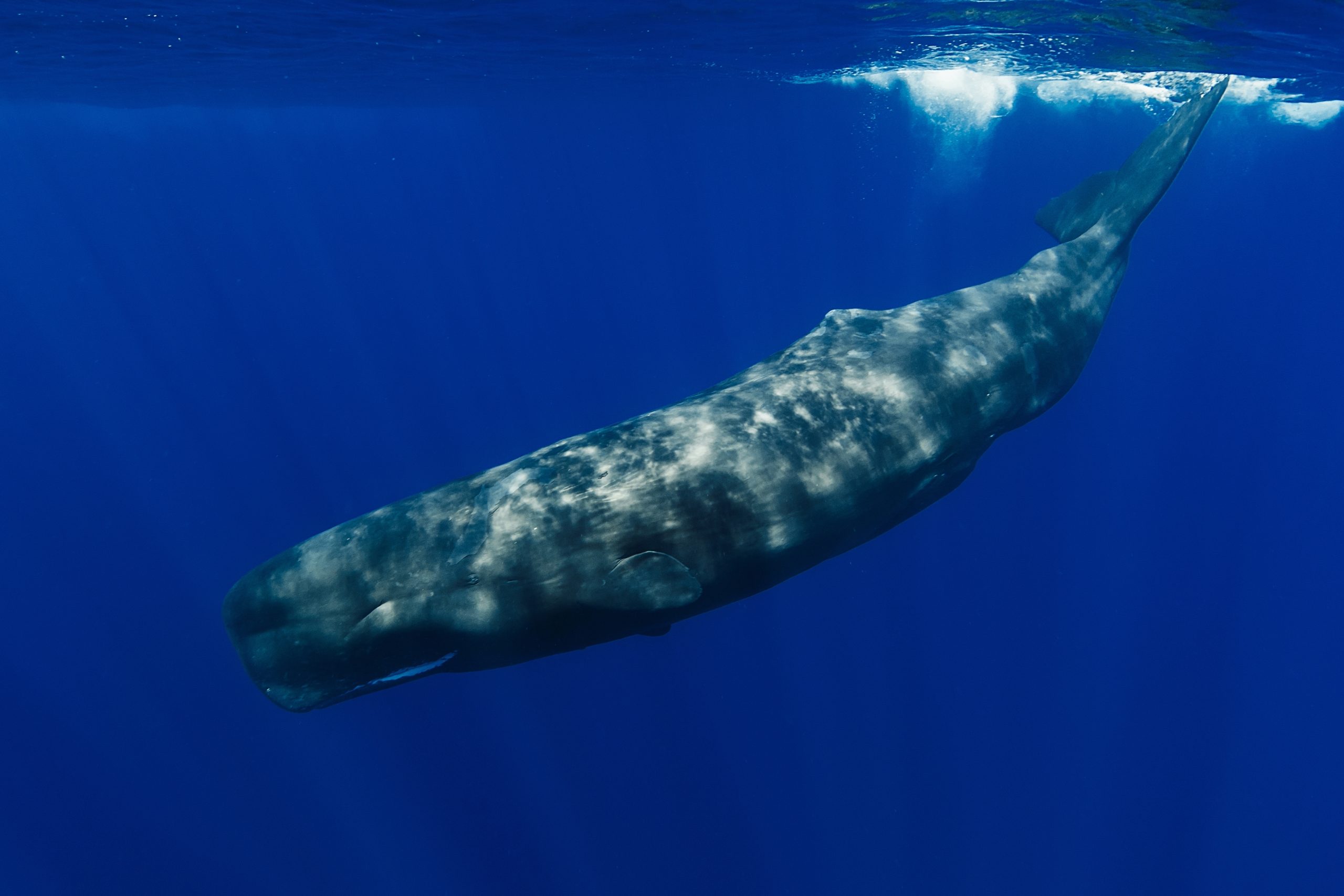
The clicks of sperm whales are measured at over 230 decibels in volume underwater, making them the loudest animal sound produced on the planet. These clicks are produced when sperm whales force air through nasal passages in their head, which works like sonar. The energy released by sperm whale clicks is powerful enough to cause human tissue to vibrate.
Humpback whale songs evolve and spread across entire oceans
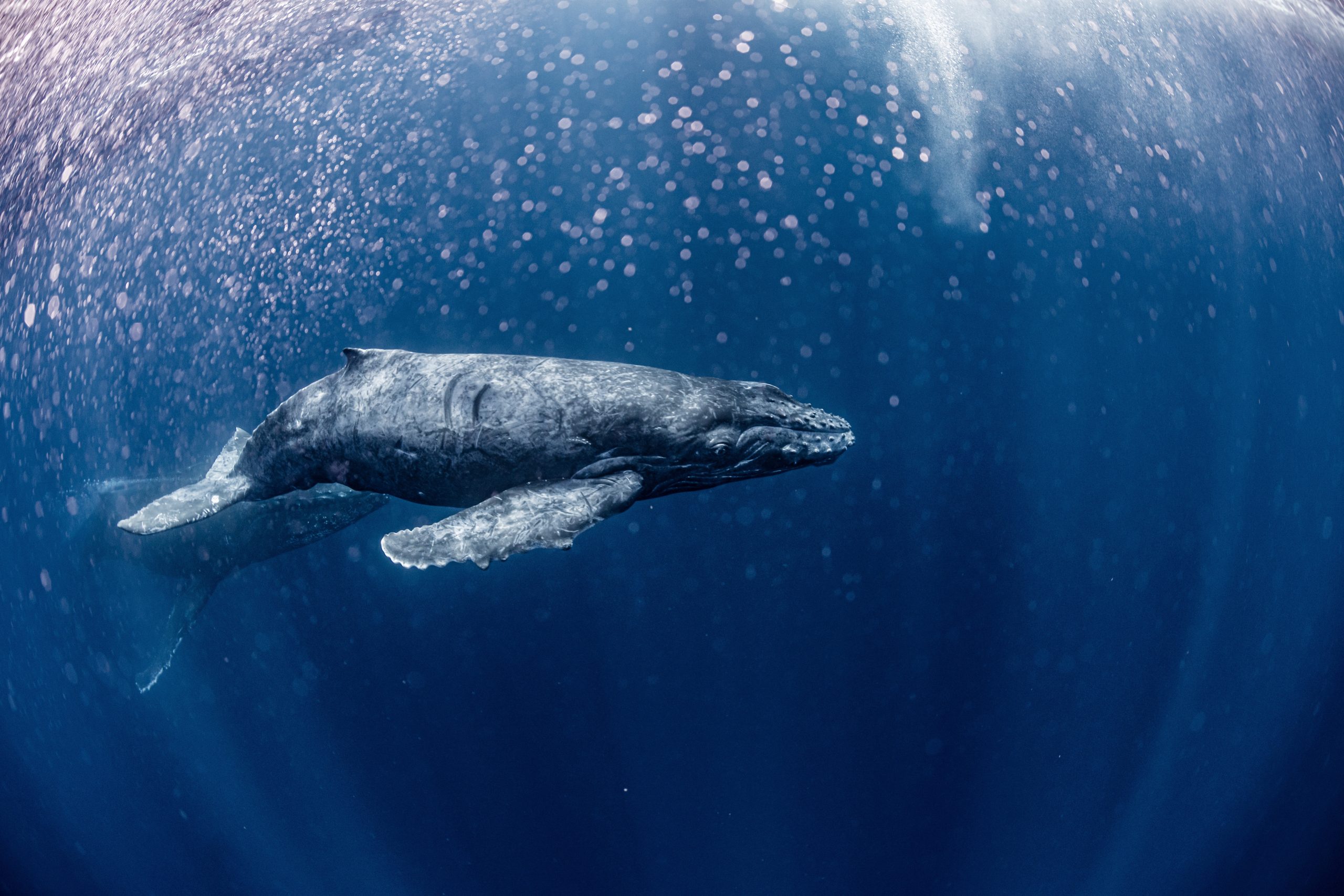
Male humpback whales in any given ocean area all sing identical, complex vocalizations during breeding seasons. These songs can last up to 20 minutes before they repeat themselves.
Scientists have found that these songs change gradually over time as small mutations or new styles become popular within a region. When a new song develops, it seems to spread like wildfire to adjacent populations of whales throughout entire oceanic basins.
Bowhead whales can live for over two centuries
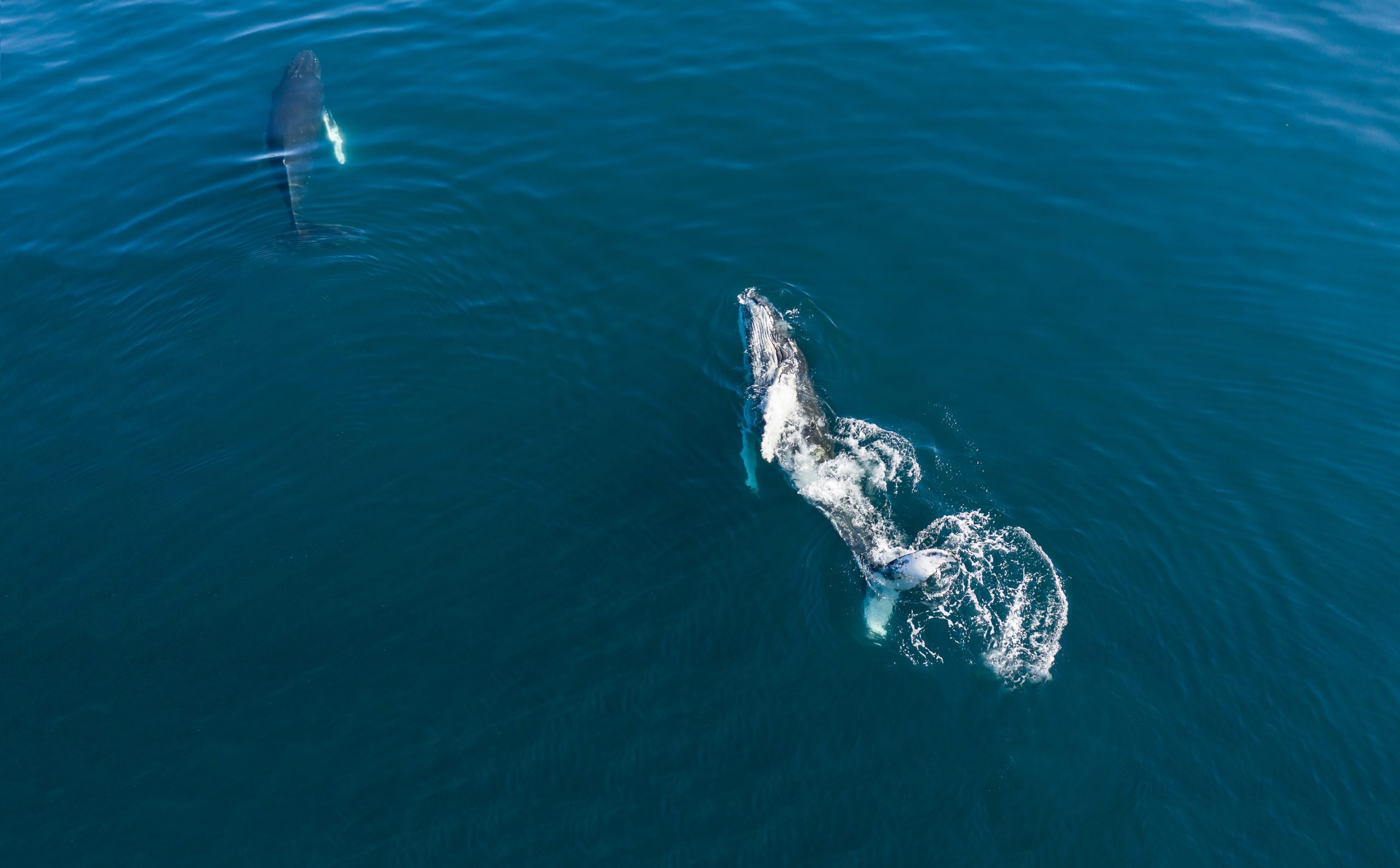
Bowhead whales hold the record for mammalian lifespan. They can live past 200 years with relative ease. Scientists were able to determine their impressive age by finding old stone and ivory harpoon tips lodged deep inside their blubber from when they were attacked by humans over a century ago.
Bowheads survive in frigid Arctic climates and can live so long due in part to mutations which give them extraordinary DNA repair capabilities. They also appear to be very resistant to age-related diseases.
A blue whale’s tongue weighs as much as an elephant
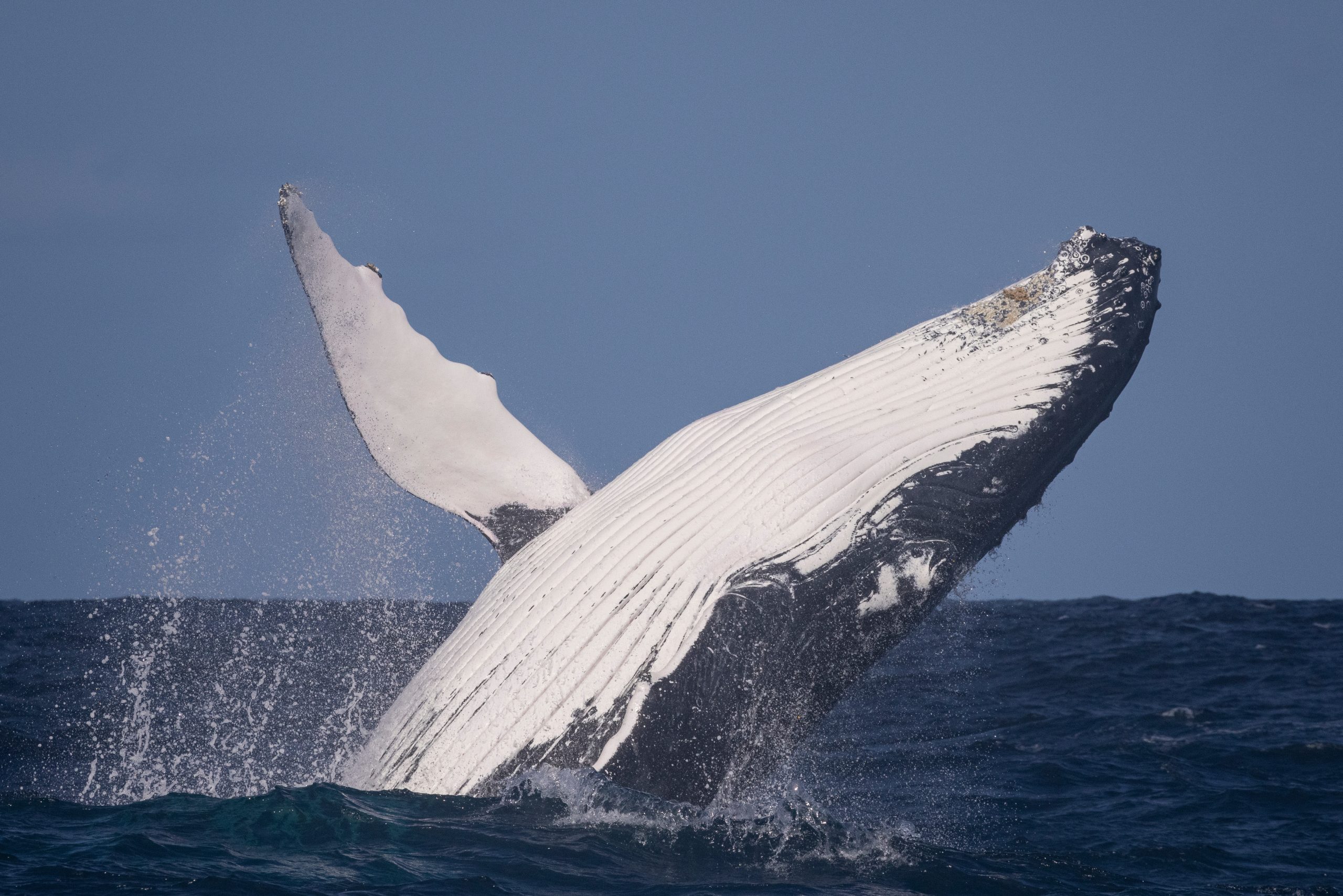
An adult blue whale’s tongue is huge and weighs about 2.7 metric tons (3.0 US tons). An adult Asian elephant weighs about the same. When engulfing large volumes of krill-rich seawater, the tongue flattens, expanding the mouth into a cavernous pouch roughly equal to its body weight in volume before pressing the water out through its baleen plates.
Orcas hunt great white sharks just for their livers
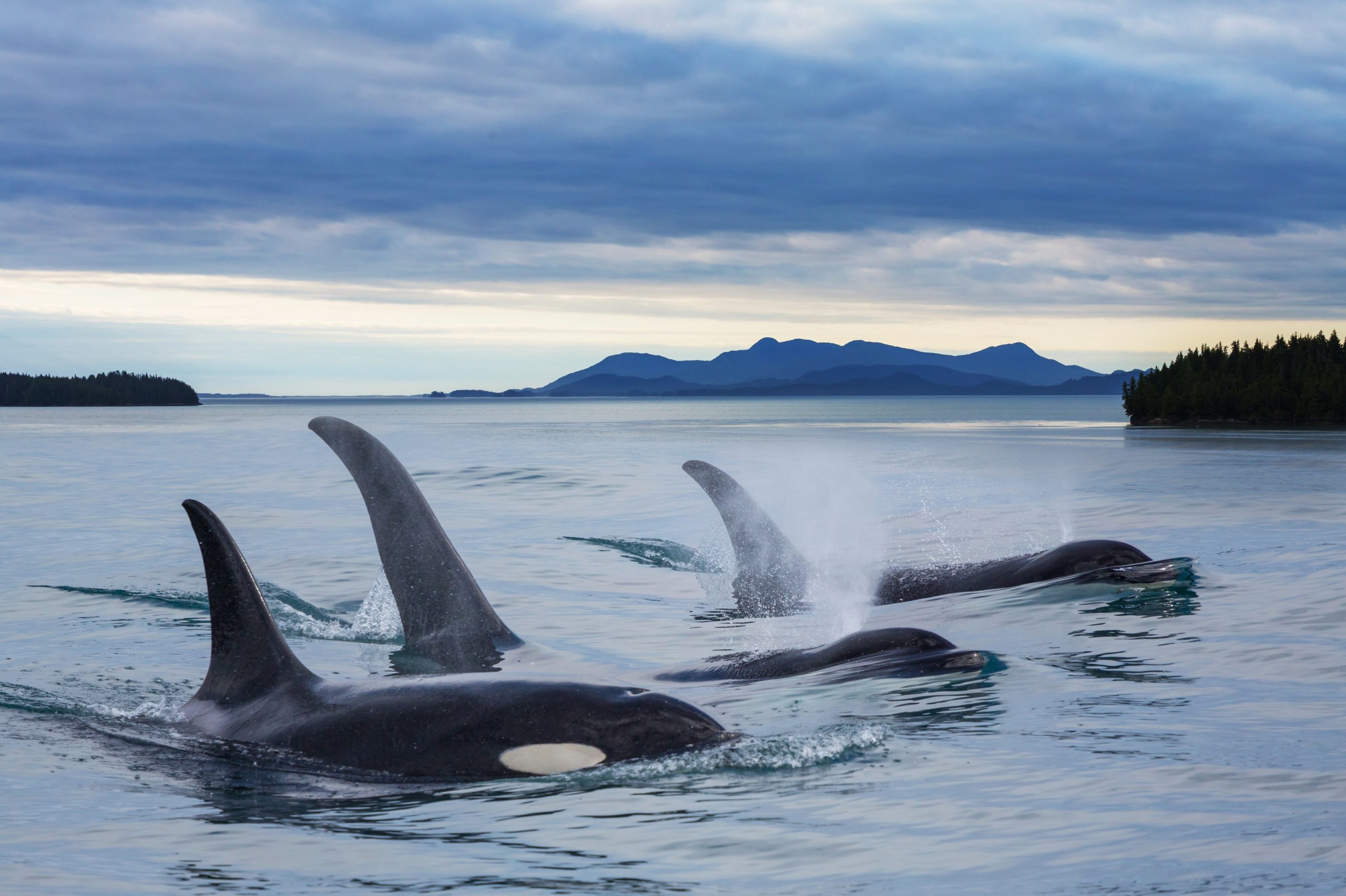
Some pods of orcas hunt great white sharks. They engage in tactical maneuvers to ambush sharks and knock them into an upside-down position. This temporarily paralyzes the shark, in a phenomenon known as tonic immobility.
Once the shark is helpless, the orcas mutilate the shark by ripping open its chest cavity and consume its fatty liver, which contains significant deposits of squalene. Orcas often leave the rest of the shark carcass untouched.
Humpback whales blow bubble nets to trap their prey
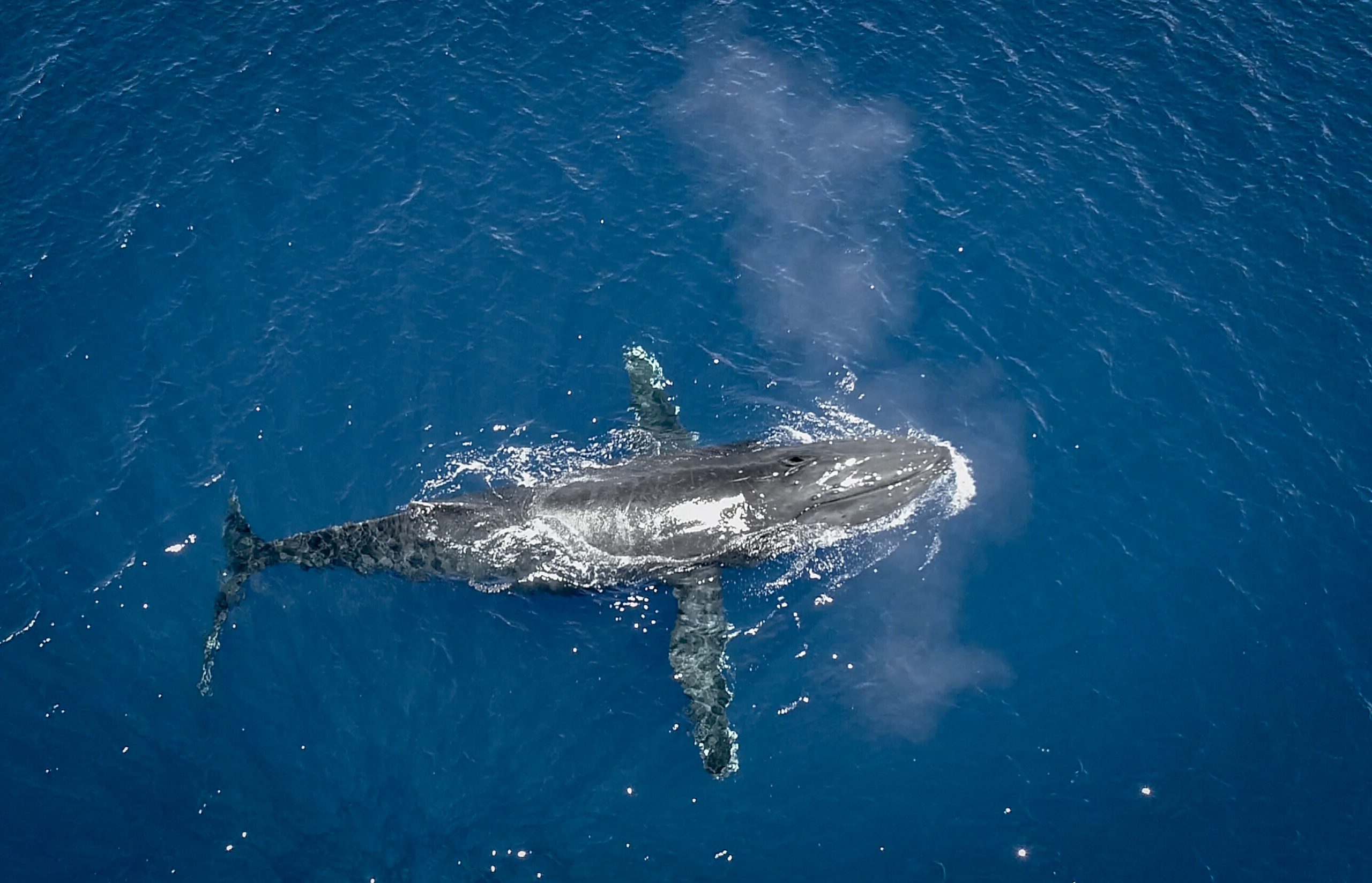
Humpback whales display sophisticated cooperative behaviour on a regular basis during a feeding strategy known as “bubble-net feeding”. One or more whales swim below a school of fish or krill, then swim upward in a shrinking spiral while blowing bubbles from their blowholes.
Panicked prey do not dare pass through the cylinder of bubbles, trapping themselves in a tight ball at the surface where the whales can then leap out of the water with their mouths open and gulp them down.
Gray whales swim the distance to the Moon and back
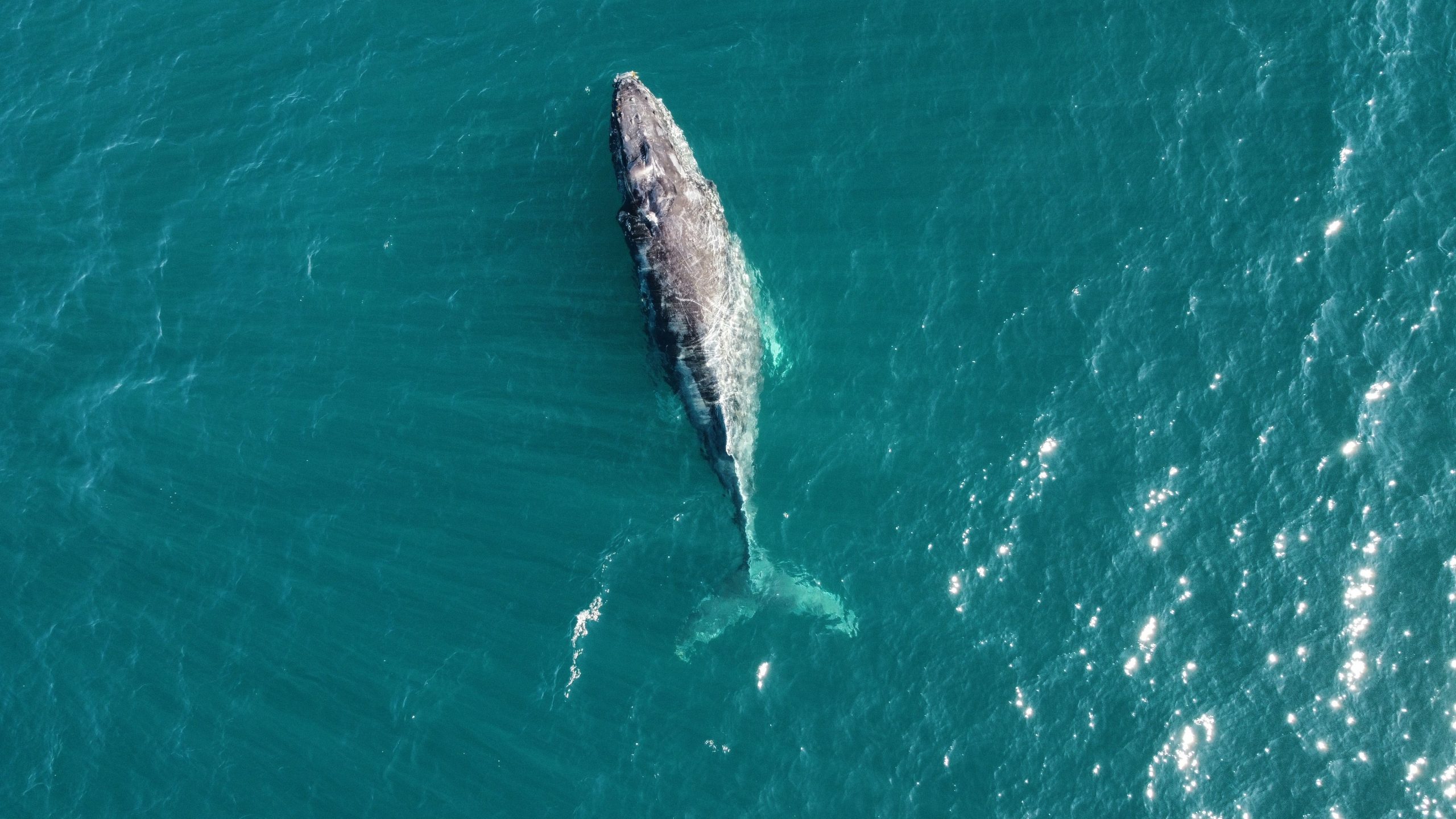
Gray whales have one of the longest annual migrations of any mammal. Their roundtrip journeys can cover 12,000 miles from their cool summer feeding grounds in the Arctic to their warm winter breeding lagoons in Mexico.
In a normal 70- to 80-year lifespan, a gray whale will travel about 800,000 miles on its annual migrations, a distance similar to traveling to the Moon and back.
Sperm whales sleep vertically in the ocean
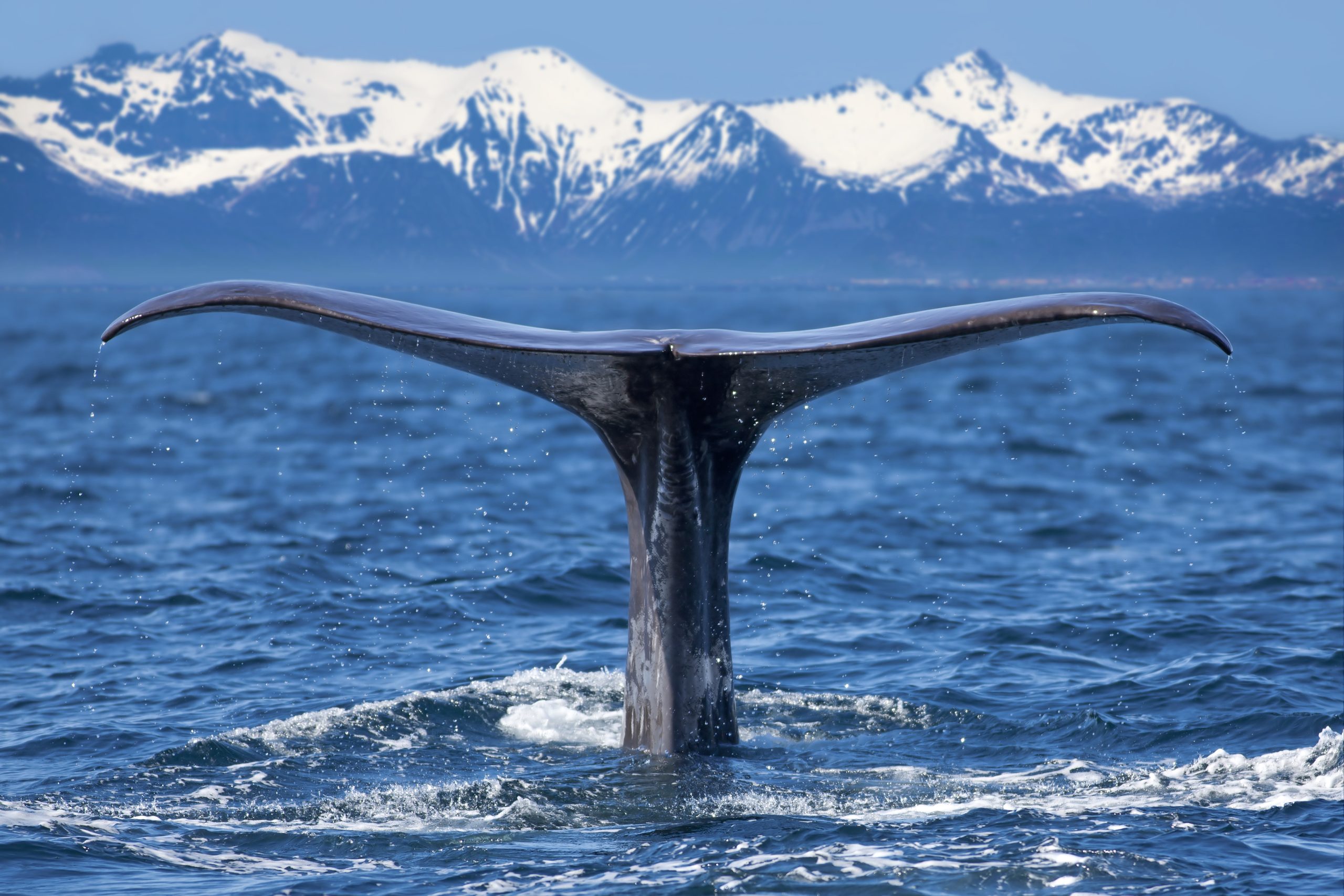
Sperm whales do not sleep lying down like land mammals. Instead, they drift vertically near the surface of the ocean, in a state of semi-consciousness called drift sleep, completely still and unresponsive, without moving to sleep.
Sleep periods typically only last 10–15 minutes. During these periods, the whales neither breathe nor move.
Whales are natural climate engineers
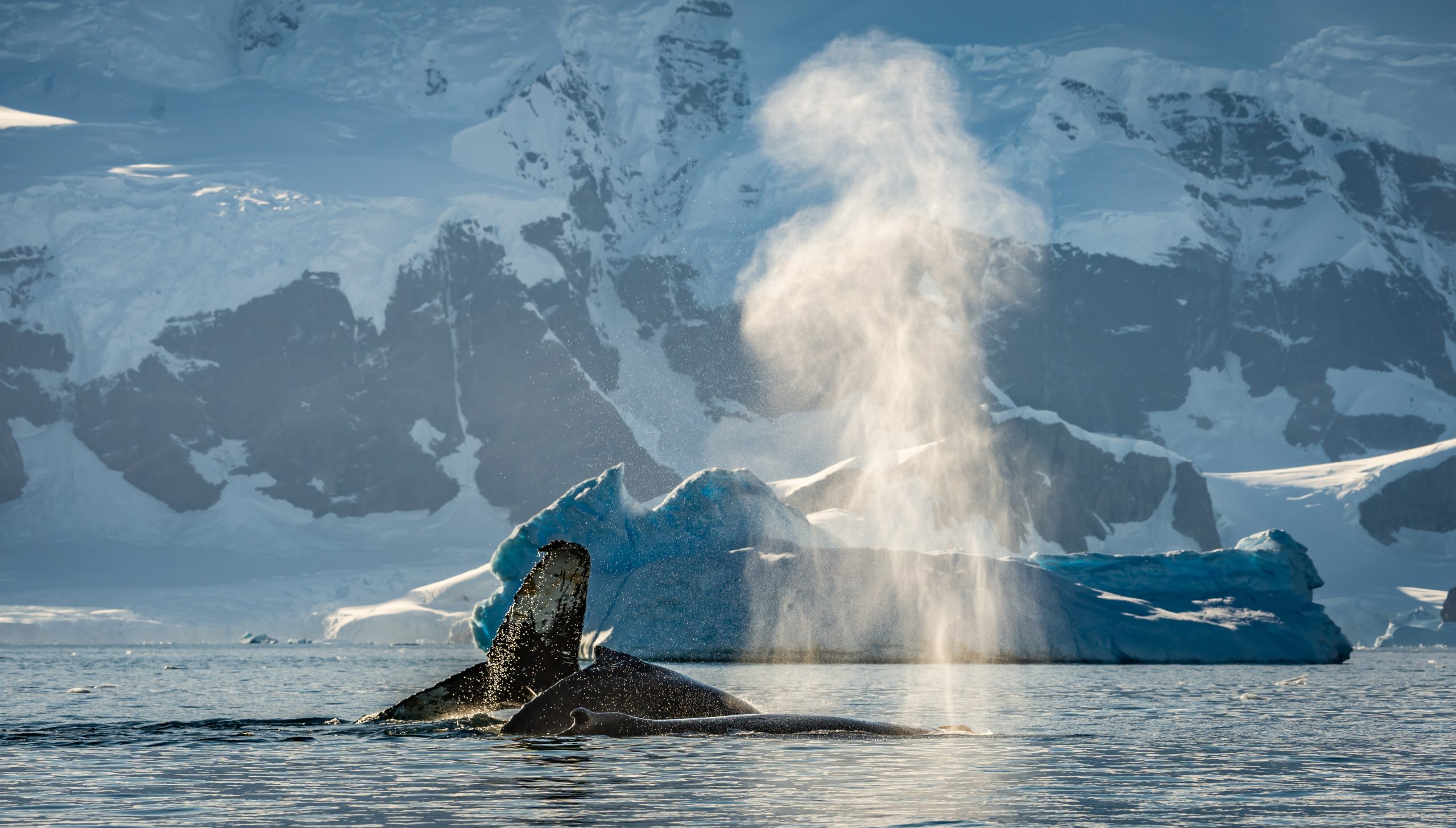
Whales have an important effect on ocean ecosystems worldwide through a process called “whale pump”. Since whales dive deep to feed and return to the surface to breathe and defecate, their feces deposit large amounts of iron, nitrogen, and phosphorus-enriched material into the sunlit upper ocean layers.
Whale feces fertilize phytoplankton, microscopic marine plants that take up huge quantities of carbon dioxide from the atmosphere and generate over 50% of the world’s oxygen.
Sources: Please see here for a complete listing of all sources that were consulted in the preparation of this article.
- Blue whales: Heartbeat reduces to 2 beats per minute when feeding
- Loudest animal sound
- Humpback Whales Pass Their Songs Across Oceans
- A blue whale’s tongue weighs the same as an elephant
- How humpback whales use bubbles as a tool
- Which whale undertakes the longest migration?
- Behavior Sleeping – Sperm Whales
- Sciencespeak: Whale Pump
- Biological Information for the Whale