
Long before smartphones, social media, and even Google, 1990 was quietly shaping the world we know today.
Nelson Mandela walked free after 27 years in prison
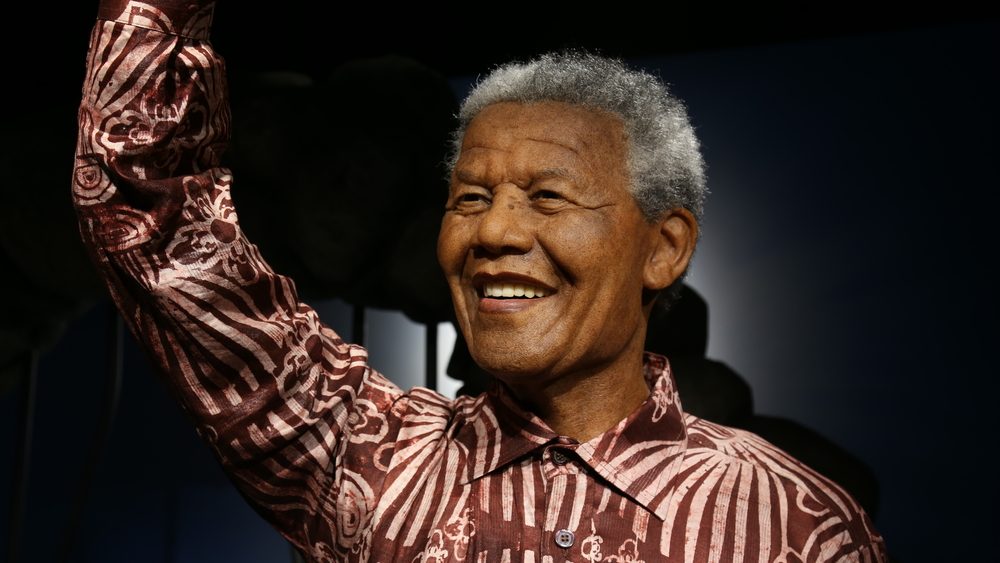
On February 11, 1990, Nelson Mandela was released from Victor Verster Prison outside Cape Town after being imprisoned for 27 years by South Africa’s apartheid regime. Millions across the globe watched Mandela walk to freedom on television.
His release from prison, which came after President F. W. de Klerk lifted the ban on the African National Congress and other political groups, was one of the major events that paved the way for negotiations that finally put an end to apartheid.
East and West Germany became one country again

The Berlin Wall had started coming down in 1989, but it wasn’t until a year later that Germany was officially reunified. On October 3, 1990, the German Democratic Republic was dissolved, and its land became part of the Federal Republic of Germany. East and West Germany were united for the first time in over 40 years since WWII. October 3 is German Unity Day to this day.
The World Wide Web began taking shape

Tim Berners-Lee was working at CERN when he invented the fundamentals of what would become the World Wide Web. By late 1990, he had developed the first web server and browser/editor and set up the first website on the internet at CERN.
The general public didn’t have access to surf the web as we know it quite yet, but the groundwork had been set that would change how we communicate, shop, entertain ourselves, and pretty much everything we do in our day-to-day lives.
Iraq invaded Kuwait

On August 2, 1990, Saddam Hussein’s forces invaded the small country of Kuwait. Iraq quickly took control of Kuwait, prompting international outrage and UN sanctions against Iraq. A United States-led international coalition assembled and prepared for combat operations under Operation Desert Shield. In January 1991, coalition forces launched military operations to remove Iraq from Kuwait.
The Hubble Space Telescope went into orbit
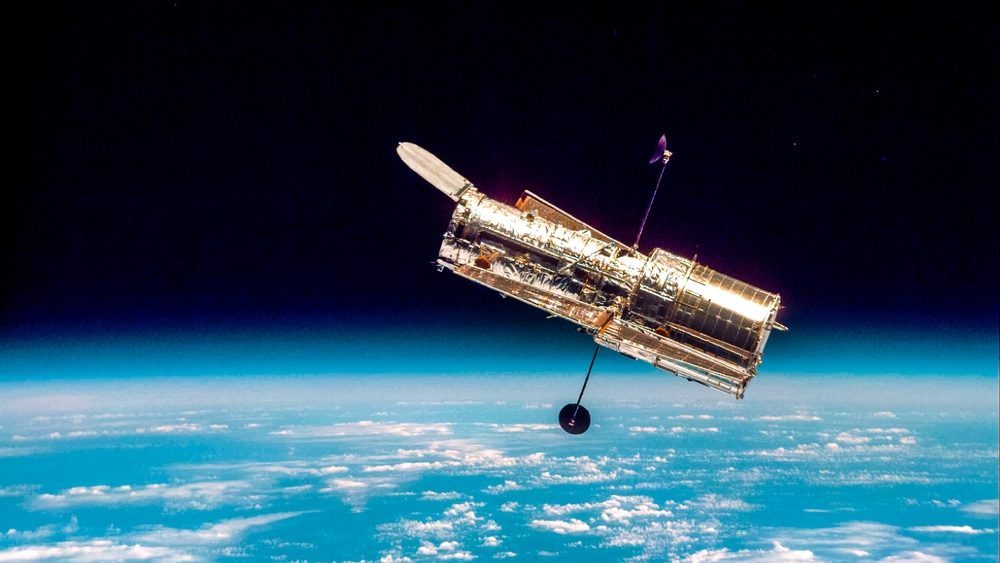
On April 24, 1990, the Hubble Space Telescope was launched aboard the Space Shuttle Discovery. The scientific community initially lost faith in it when they realized a mistake in the primary mirror was causing images to come out blurry. During a servicing mission in 1993, astronauts installed new optics to correct this problem. Ever since, Hubble has revolutionized astronomy and produced many iconic images.
Margaret Thatcher resigned after more than 11 years as prime minister
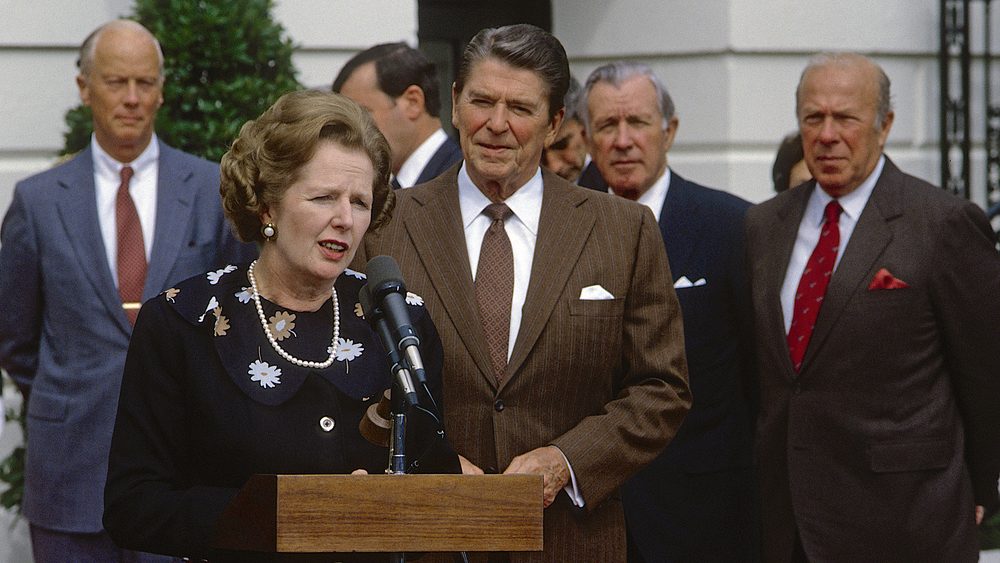
Margaret Thatcher had been prime minister since 1979 and was Britain’s longest continuously serving 20th-century prime minister. However, the poll tax, rifts over Europe and a leadership challenge by Michael Heseltine had all damaged her standing with the Conservative Party. Thatcher announced her resignation in November 1990, and she was replaced by John Major.
Lithuania declared independence from the USSR
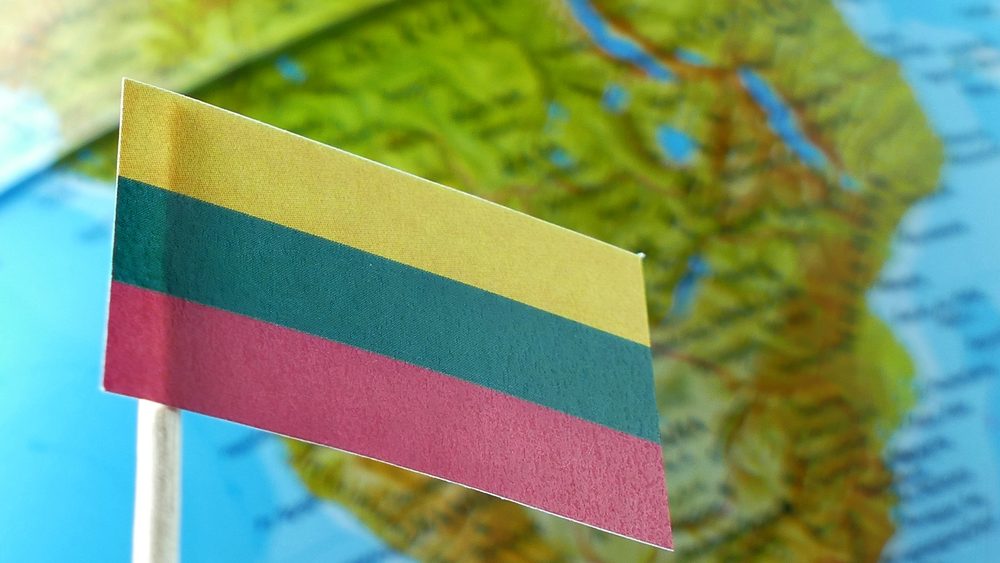
On March 11, 1990, Lithuania became the first Soviet republic to secede from the Soviet Union. Lithuania’s actions inspired other Baltic and Soviet republics to declare their independence. The Union of Soviet Socialist Republics would officially cease to exist in late 1991.
Home Alone became a phenomenon

Home Alone premiered in theaters across America on November 19th, 1990, making 10-year-old Macaulay Culkin a global phenomenon overnight. The tale of young Kevin McCallister being forgotten by his family as they head to Paris was a box-office smash, topping the U.S. box office for weeks. Home Alone would go on to become one of the iconic family films of the 1990s.
The largest art theft in modern history took place in Boston

Two men dressed as police officers entered the Isabella Stewart Gardner Museum in Boston early on March 18, 1990, after tricking guards into letting them inside. They tied up the guards and took about 81 minutes to ransack the museum, making off with 13 pieces of art. Among the stolen works are pieces by Rembrandt and Vermeer. None of the art has been recovered, and the empty frames still hang in the museum.
The Human Genome Project officially launched

The Human Genome Project was formally launched in 1990. One of the largest collaborative scientific research projects in history, the HGP was coordinated by the U. S. National Institutes of Health and the Department of Energy, with major participation by researchers from other countries. The stated goal was to sequence the approximately 3 billion base pairs that make up human DNA and to identify all human genes.
Sources: Please see here for a complete listing of all sources that were consulted in the preparation of this article.