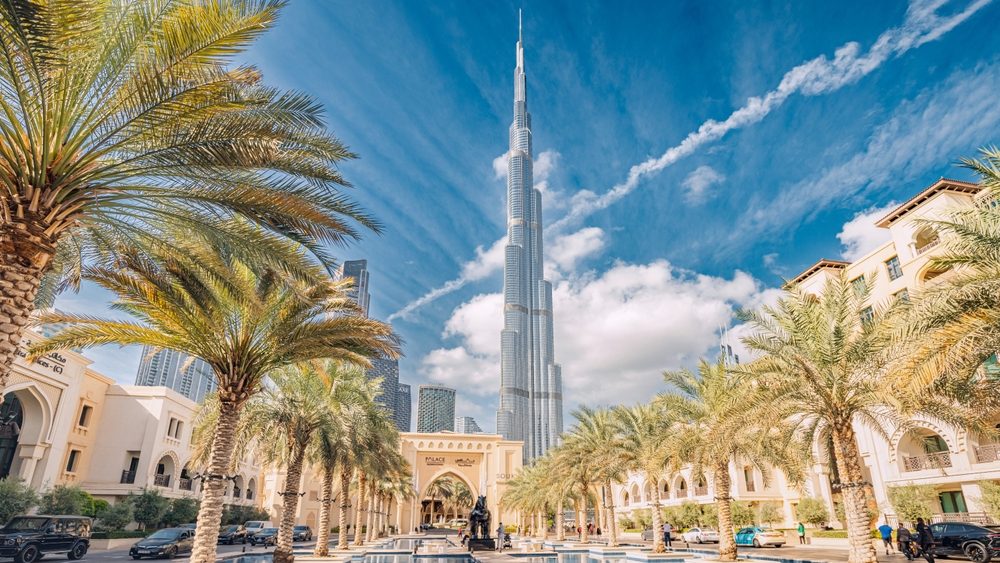
You may recognize the Burj Khalifa instantly, but there’s a lot about the world’s tallest building that most people don’t know.
Fasting during Ramadan lasts longer at the top
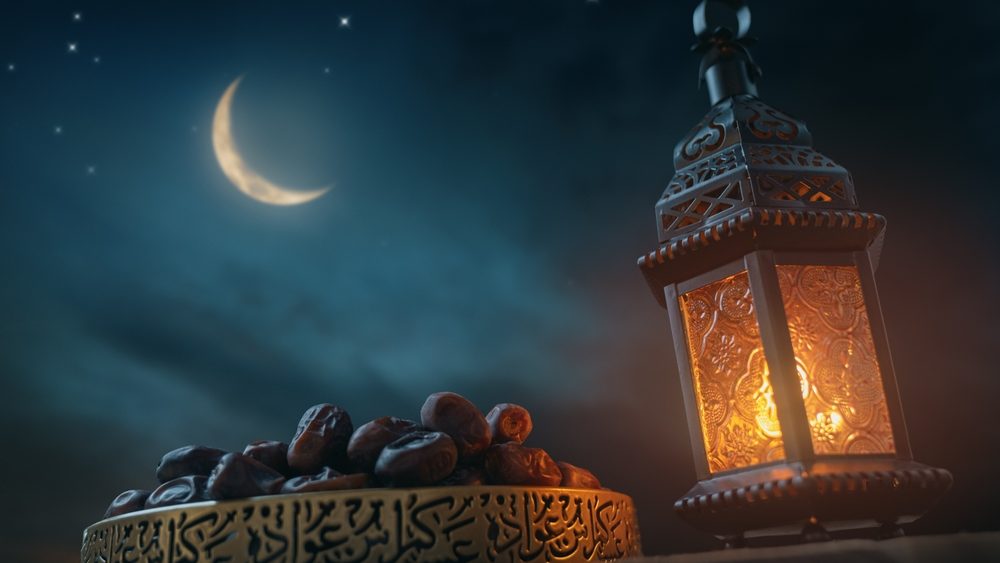
As the Burj Khalifa is 828 metres (2,710 ft) tall and located in Dubai, residents on higher floors are able to see the sun slightly later in the evening than those on the ground. In Ramadan 2011, Muslims living on floors 81- 150 were requested by Dubai religious officials to wait approximately 2 extra minutes before breaking their daily Ramadan fast compared to those on the ground floor or below. Those living on floors higher than 150 were asked to wait approximately 3 minutes.
It takes three to four months to clean all the windows
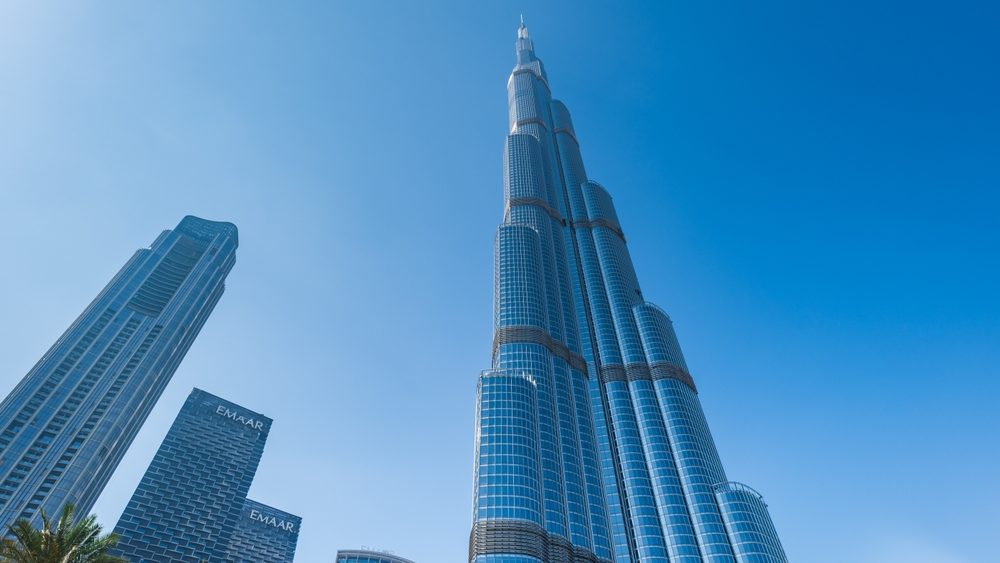
Burj Khalifa’s sheer size means that its exterior is made up of nearly 26,000 individual glass panels. Cleaning the exterior of the tower is therefore no small task. Window cleaning is performed by crews working from track-mounted units as well as suspended cradles and rope-access methods. A full cleaning cycle of the building takes about three to four months.
It wasn’t originally called the Burj Khalifa
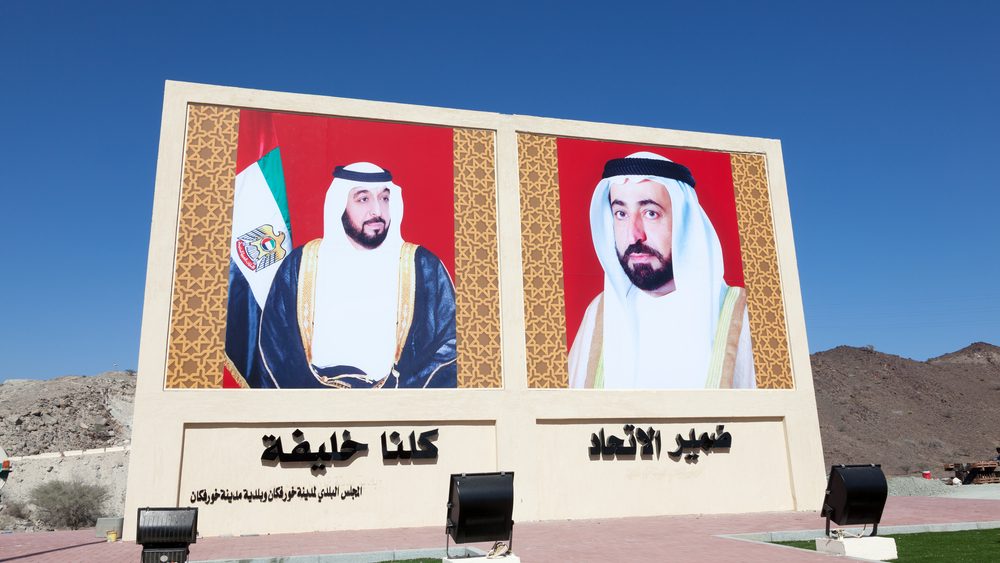
During construction, the tower was called Burj Dubai. Upon its inauguration on January 4, 2010, however, the tower’s name was changed to Burj Khalifa after Sheikh Khalifa bin Zayed Al Nahyan, then-president of the United Arab Emirates and ruler of Abu Dhabi. The change of name was announced during the opening ceremony, so many people learned what the building would eventually be called on inauguration day.
The design was inspired by a desert flower
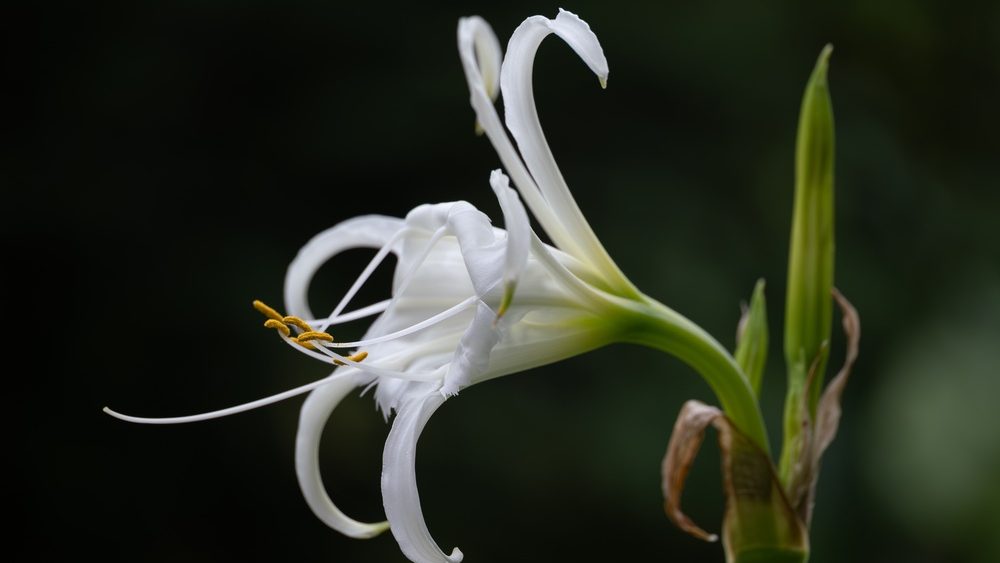
The Y-shaped, three-lobed footprint design of the Burj Khalifa was inspired partly by the Hymenocallis flower, whose petals grow outward from a central point in long curves. Architect Adrian Smith and the team at Skidmore, Owings & Merrill also referenced patterning techniques common to Islamic architecture.
The tower’s three wings are structurally functional as well. In addition to helping brace the building’s central core and creating sweeping views, they reduce the effects of powerful wind currents.
Its air-conditioning system produces millions of gallons of water
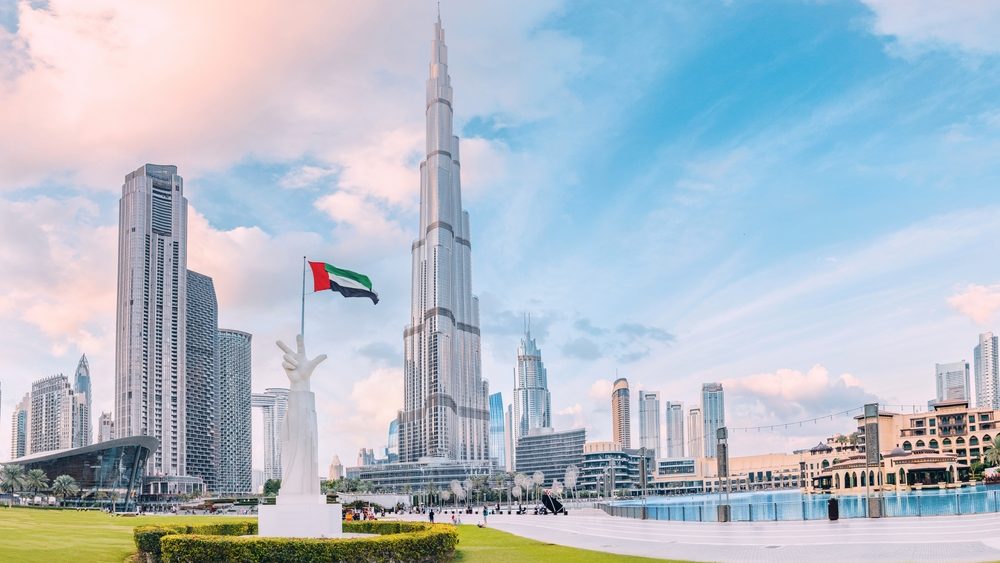
Due to Dubai’s hot and humid climate, the massive air-conditioning system of Burj Khalifa produces an enormous amount of condensation water. Rather than letting it go to waste, there is a condensate collection system that can supply about 15 million gallons (57 million litres) of supplemental water per year.
Water recycled through this system helps irrigate and landscape the gardens surrounding the tower, lessening the need for additional water sources.
Built with enough concrete to match 100,000 elephants
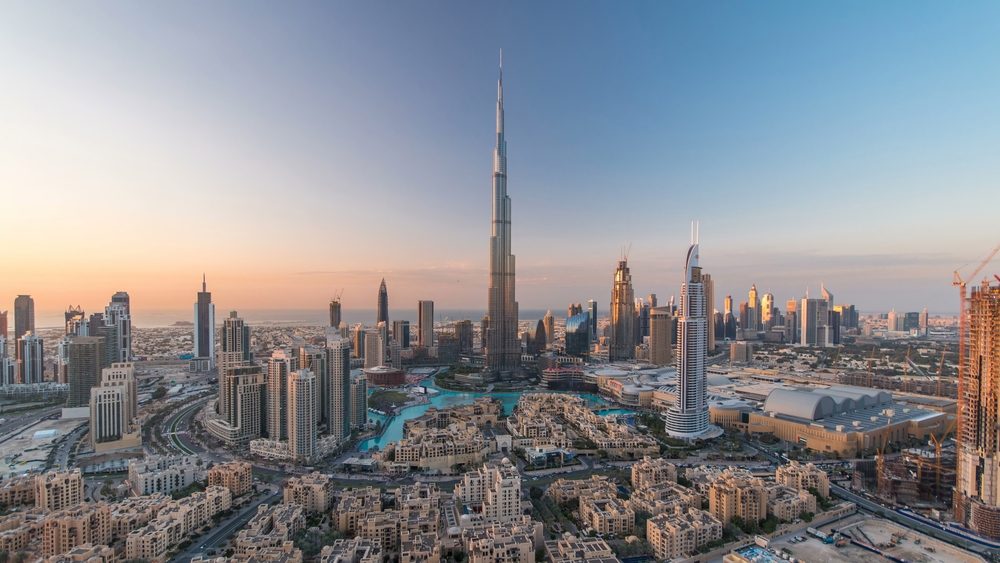
The Burj Khalifa used about 330,000 cubic metres of concrete and 39,000 tonnes of reinforcing steel. This is equal to approximately 100,000 elephants.
Dubai’s intense heat also posed significant issues during construction, especially when pouring high-performance concrete. Concrete temperatures were carefully controlled along with other precautions, such as cooler nighttime temperatures during major pours, to ensure the heat generated while curing would not damage the concrete.
It has special refuge areas for emergencies
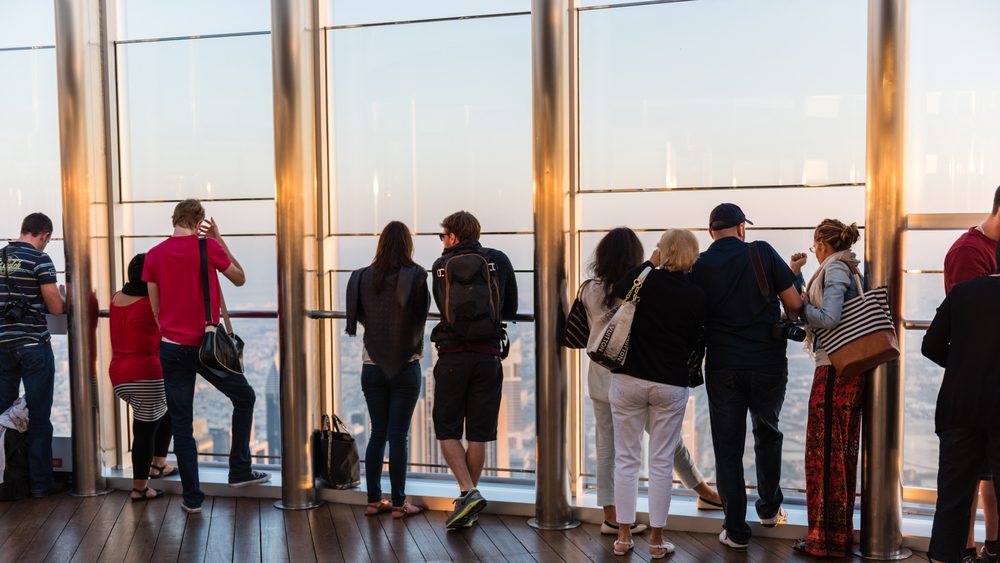
Getting residents safely to and from an 828-metre skyscraper demands a highly complex fire- safety system. The Burj Khalifa features 57 elevators and eight escalators. Some of its double-deck elevators can reach speeds of about 10 metres per second.
In addition to elevators, the building includes protected refuge areas, fire-resistant compartments and pressurized stairways. Instead of attempting to rush people all the way down hundreds of floors, these safety features can help stage an evacuation.
The top can move more than a meter in strong winds
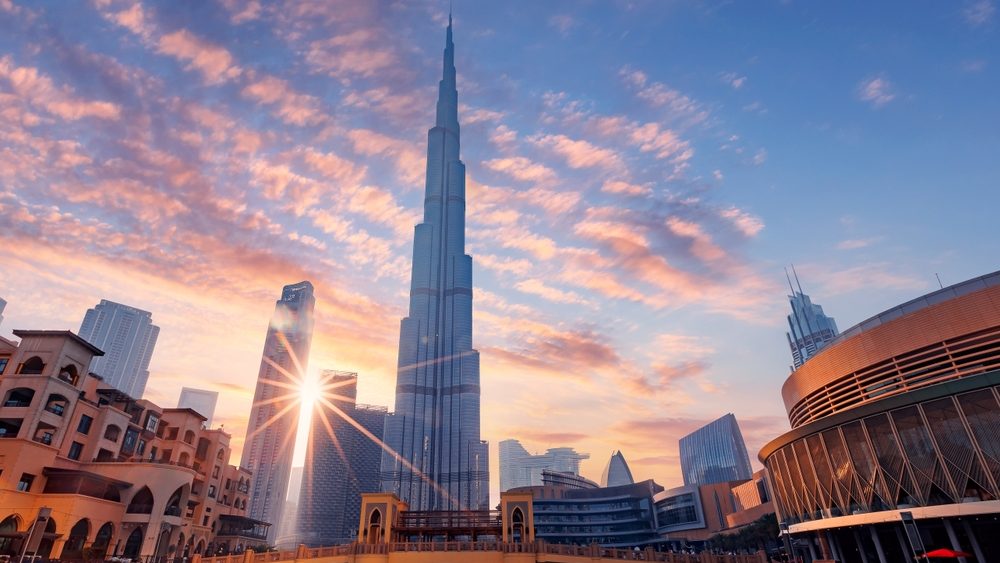
Although it appears to be entirely solid from street level, the Burj Khalifa, as with other super tall skyscrapers, sways slightly in high winds. Its tapering, twisting profile of setbacks constantly varies the shape of the tower as it ascends, eliminating coherent wind vortices that would otherwise cause larger amplitude oscillations.
Deflection at the top of the tower is approximately 1.5 metres (4.9 ft) during maximum expected conditions.
The top can experience different weather from the ground
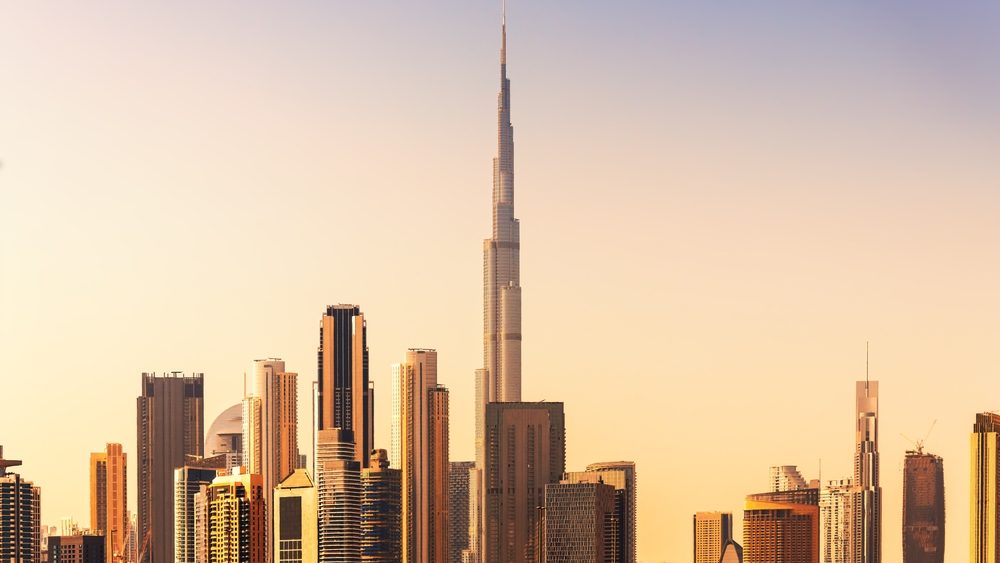
The Burj Khalifa is so tall that local conditions near its summit may differ from those on the ground below. For example, temperatures near the top may be several degrees cooler than temperatures near ground level.
Upper portions of the building may even occasionally be enveloped by clouds or mist while conditions at ground level remain different. The building’s extreme height spans a sizable portion of the lower atmosphere.
Sources: Please see here for a complete listing of all sources that were consulted in the preparation of this article.