Survival situations call for desperate measures, and some animals will resort to methods so absurd they sound made up.
The Malaysian exploding ant sacrifices itself
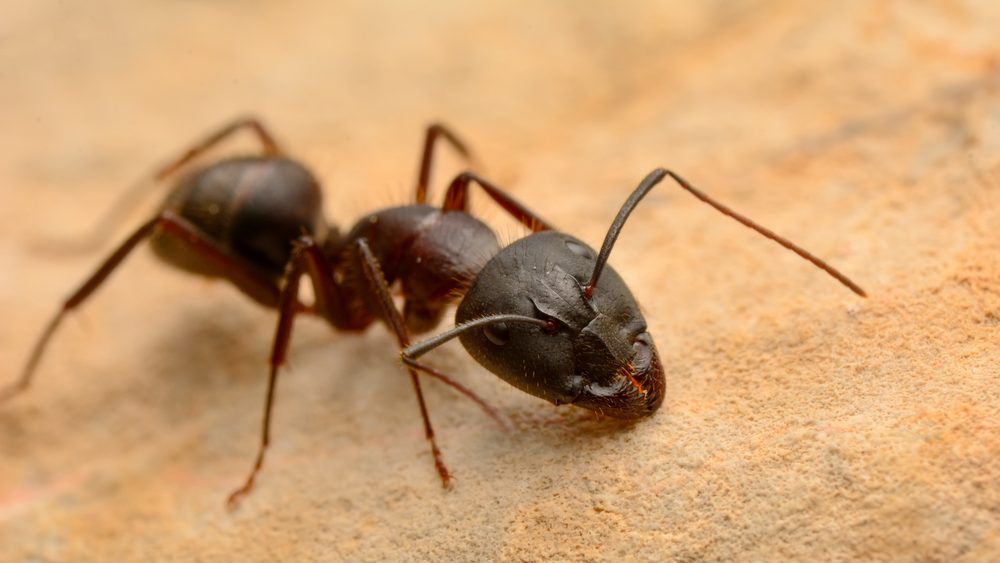
Workers of some species of exploding ant possess an incredible suicide defensive weapon as a last resort. If threatened by a lethal predator or enemy, a worker may implode its body with enough force to breach its abdominal wall, spraying the predator with a sticky, toxic bodily secretion. As this causes its own death, the secretion may serve to disable or repel an adversary attacking the colony.
The Iberian ribbed newt pushes its own ribs through its skin
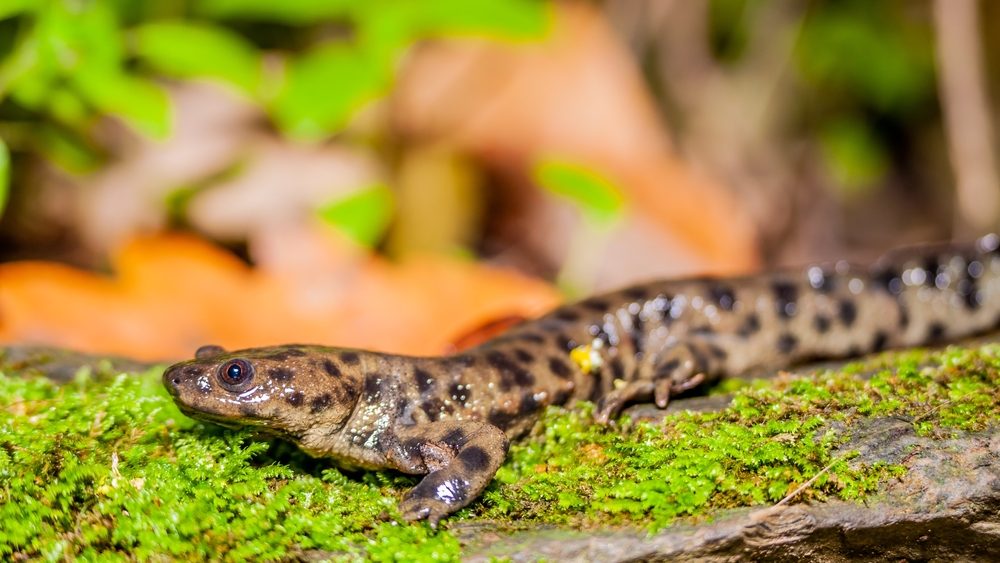
If attacked or threatened, this species displays a truly bizarre defense mechanism. It can flip its ribs forwards until the points tear through its own skin. It then secretes toxins through glands in its skin, which can cover the rib spikes, creating a truly unpleasant surprise for any predator. Miraculously, the small wounds sustained do not cause lasting damage to the newt.
The sea cucumber can eject some of its internal organs
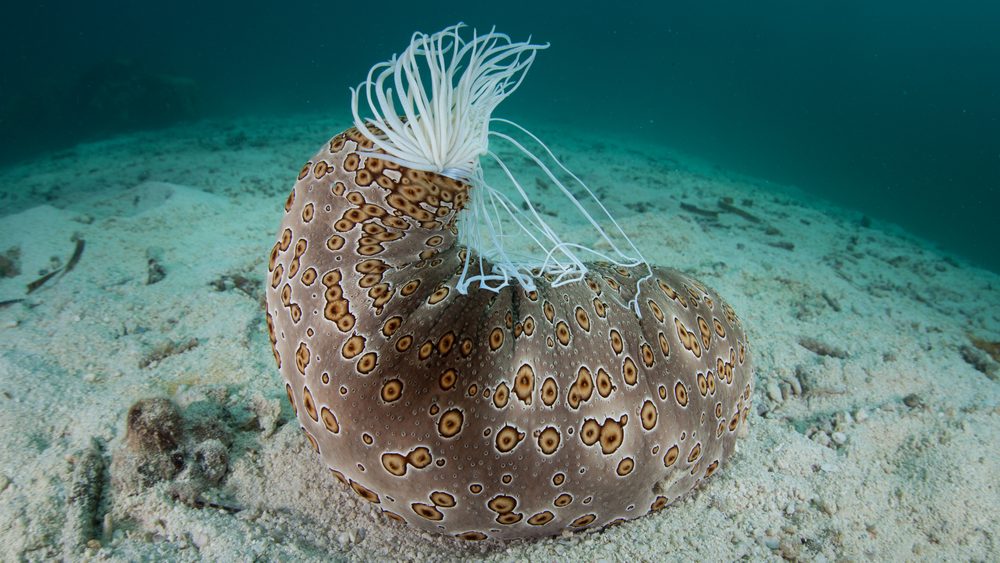
Species of sea cucumber expel internal organs through the rear part of the body if seriously threatened. This may involve parts of their intestines in some species, but other species extrude sticky Cuvierian tubules instead. These left-behind body parts can distract predators or bind to them, giving the sea cucumber time to flee. The animal will regenerate these organs later.
The hairy frog can create its own “claws”
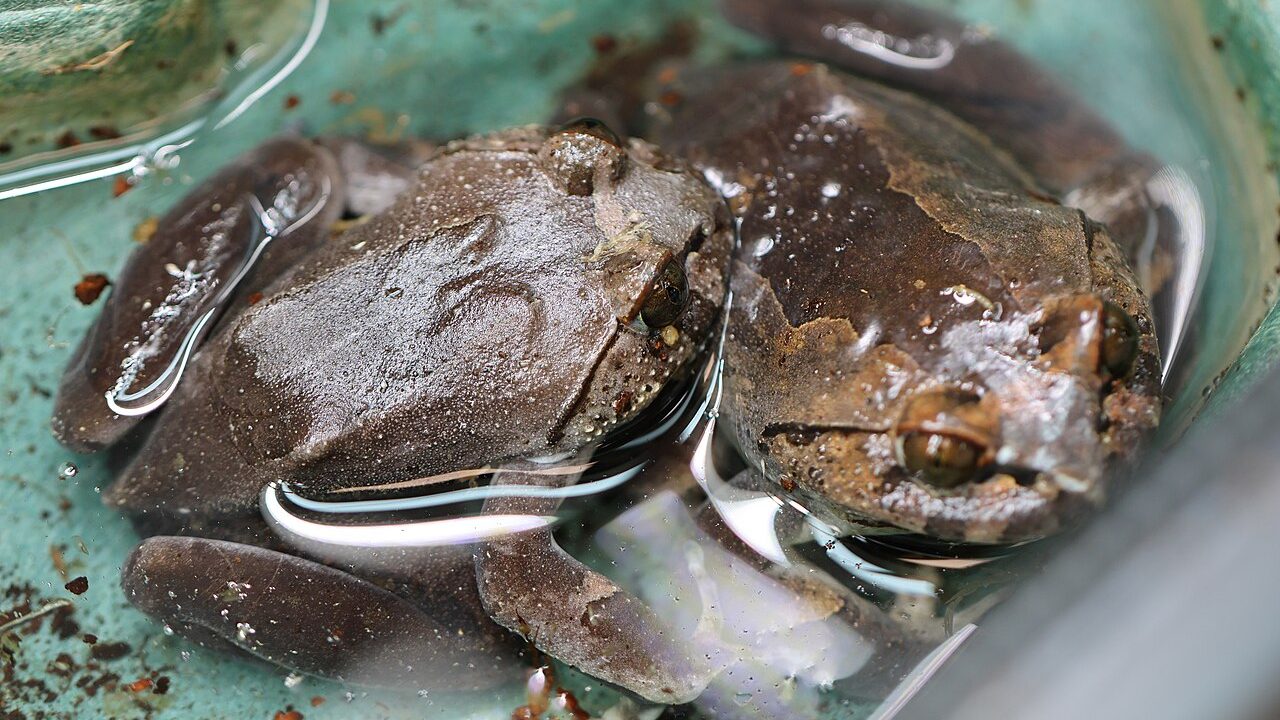
To scare off predators, the hairy frog of Central Africa literally grows its own claws. When threatened, the frog snaps bones inside its toes, and jagged tips of the broken bones puncture through the skin to make “claws”. Those claws retract when not in use, and the damaged tissues repairs itself. They’re not made of keratin like normal claws; they’re actual bones ripped straight from the frog’s skeleton.
The Texas horned lizard shoots blood from its eyes
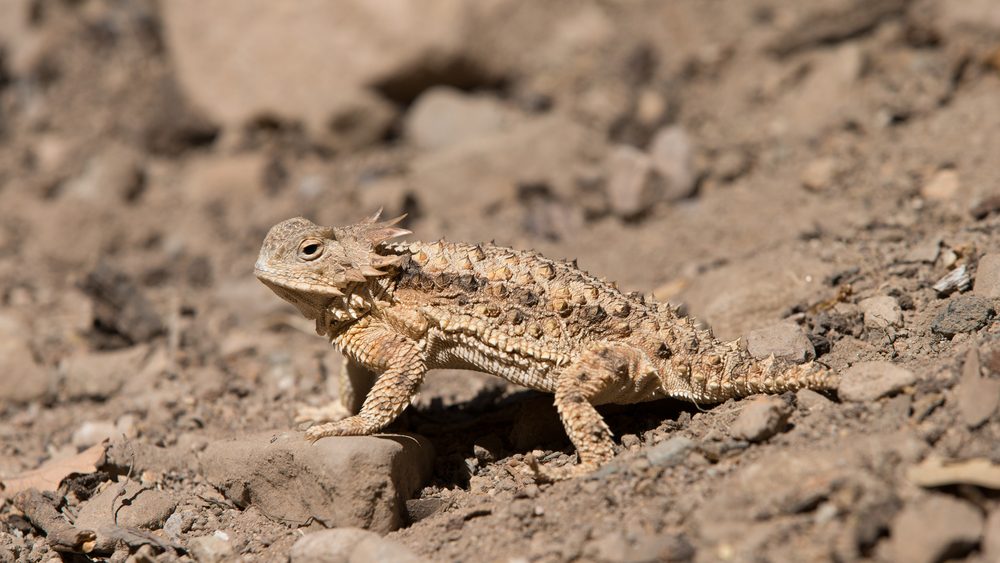
If standard camouflage and defensive displays fail, the Texas horned lizard has another strategy up its sleeve. The lizard forces blood vessels around its eyes to swell with blood until jets of blood are sprayed out of its eye sockets, oftentimes reaching astounding distances. The blood vessels contain chemicals that are highly offensive to predatory mammals like coyotes and foxes.
The opossum doesn’t simply decide to “play dead”
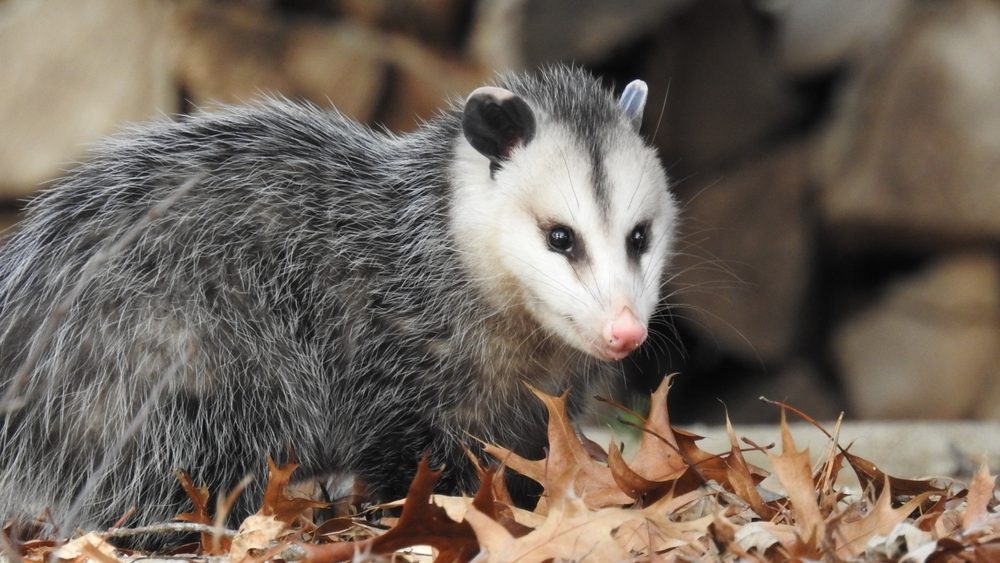
The Virginia opossum has the ability to fall into a state that mimics death if it becomes severely threatened. The animal may slump over, become stiff, hold its teeth out, and be mostly unresponsive. The added secretion of foul-smelling bodily fluids may convince predators that the animal is already dead or rotting. However, this reaction is not always a voluntary act of deception on behalf of the opossum. The reaction may simply be an involuntary reflex caused by extreme fear.
The wood frog can survive while partially frozen
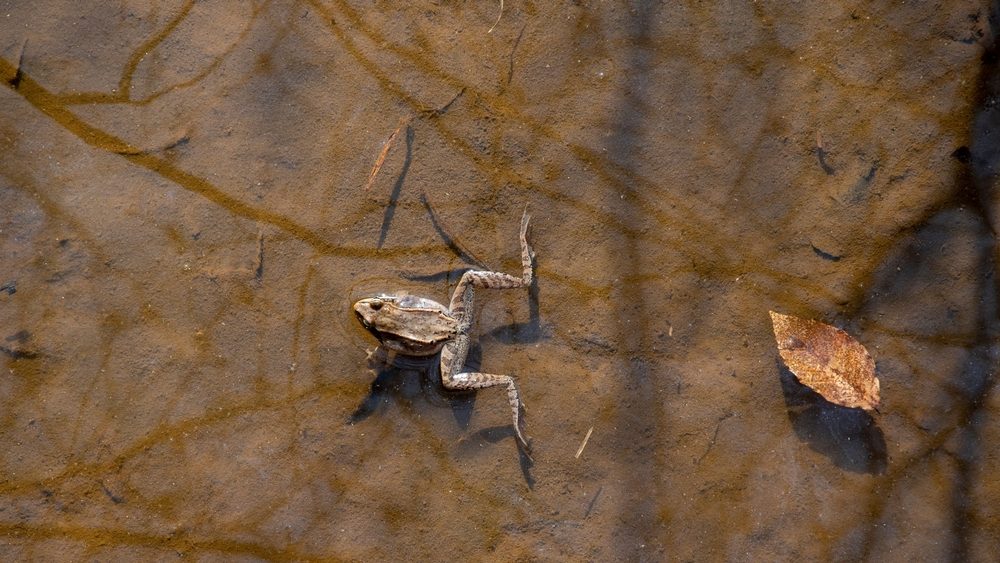
The wood frog lives through northern winters by means of an extreme example of freeze tolerance. The frog can allow ice formation extracellularly, stop its heart and breathing, and permit up to three-quarters of its body water to freeze. High levels of glucose and other cryoprotectants allow its cells to survive damage during freezing. When the weather warms up, the frog’s heart restarts, and it becomes active once again.
Sources: Please see here for a complete listing of all sources that were consulted in the preparation of this article.