Some of history’s rarest coins have survived accidents, government recalls, royal abdications, and even attempts to destroy them.
The 1933 Saint-Gaudens Double Eagle is illegal to own, except one
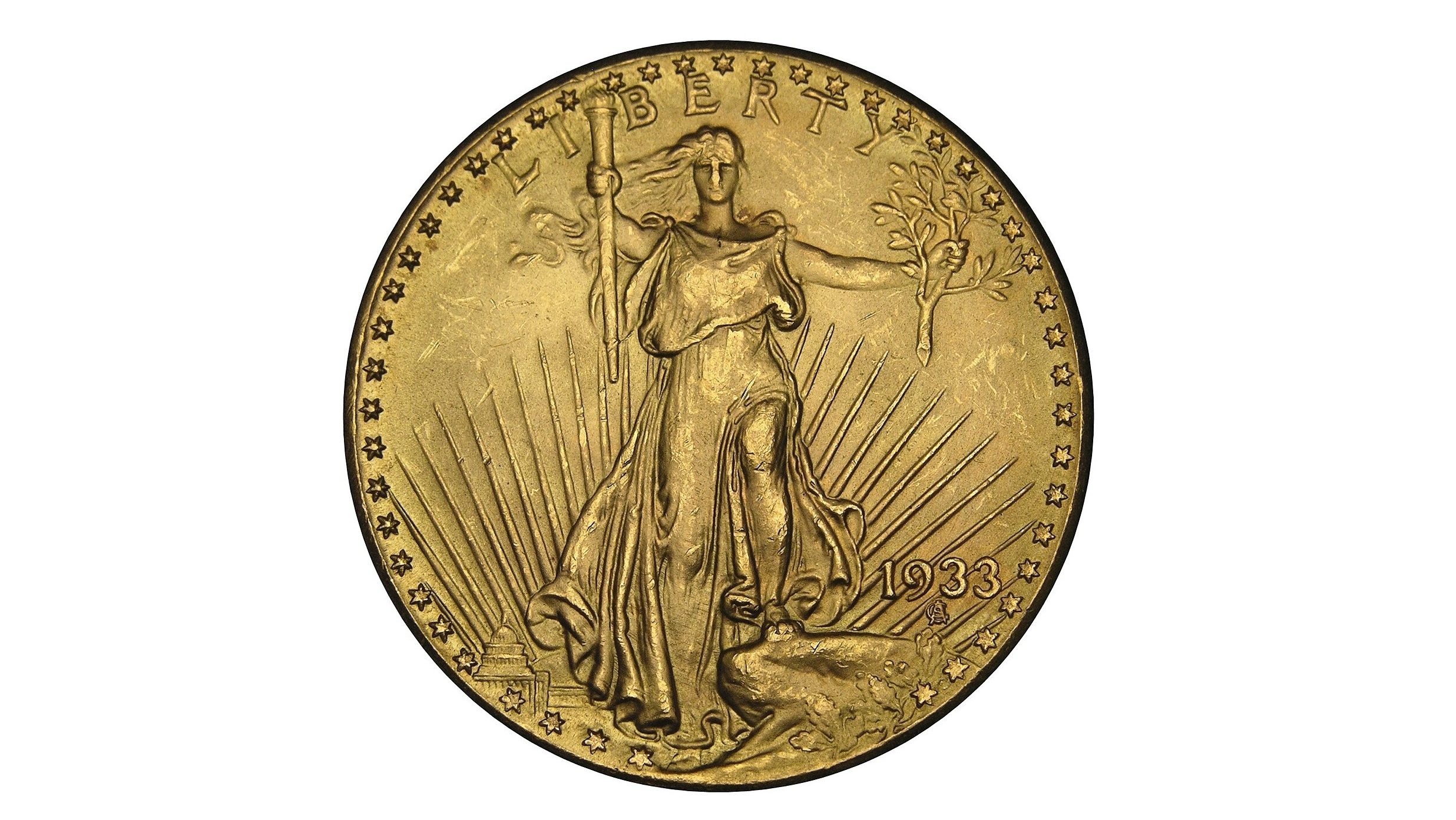
The U.S. Mint produced 445,500 Saint- Gaudens Double Eagles in 1933, but they were never officially released for circulation because President Roosevelt ended gold coin payments and forbade private citizens from owning monetary gold.
The bulk of the 1933 Double Eagle mintage was melted down, though a few coins left the Mint without authorization. The subsequent investigations and litigation continued for decades.
Now only one 1933 Double Eagle can legally be owned by a private person in the U.S. under a settlement with the government. That coin sold at auction in 2021 for $18.87 million, a world auction record for a coin.
The 1794 Flowing Hair Dollar was struck on a hand-operated press
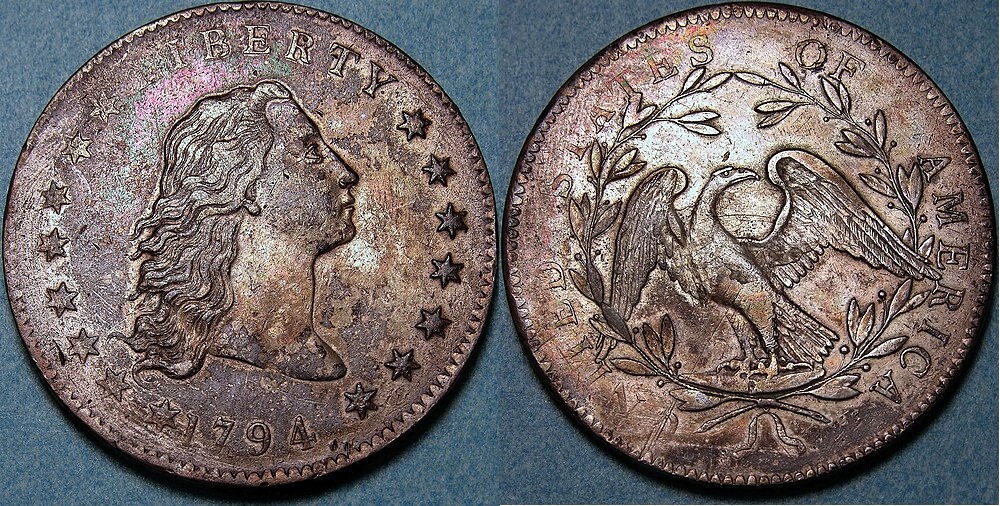
1794 Flowing Hair Silver Dollar was the first silver dollar minted by the United States Mint. Only 1,758 were delivered to the Mint that year. Workers at the young Philadelphia Mint struck coins with a hand-operated screw press.
Production equipment at the Mint was ill-suited to making large silver coins, and problems such as inadequate striking pressure and die alignment resulted in many of the surviving coins having thin details along their edges. A single 1794 dollar sold for over $10 million dollars in 2013, becoming the first coin to reach that threshold at auction.
The 1804 Silver Dollar was actually not minted in 1804
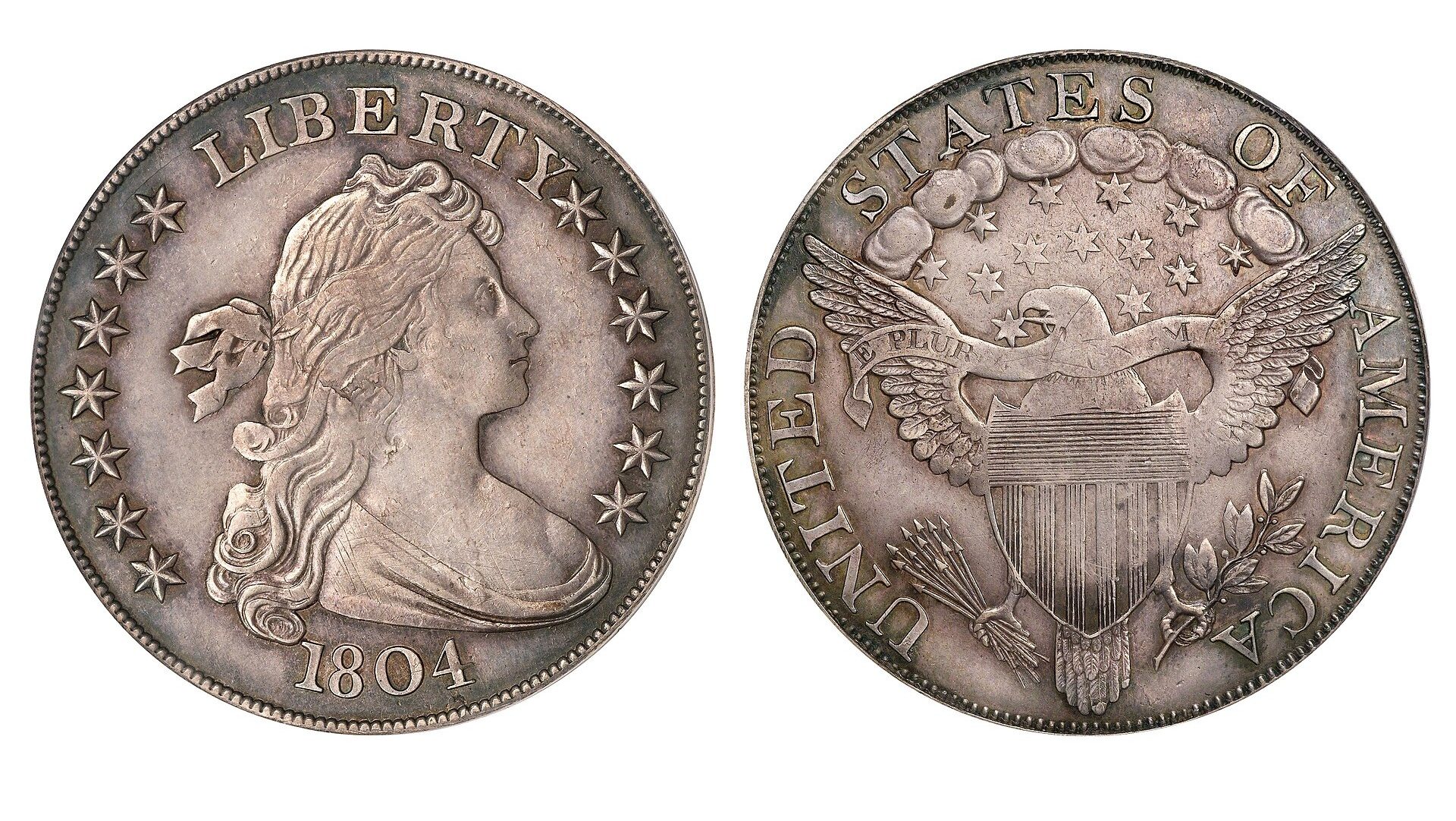
Although dated 1804, the famous 1804 Silver Dollars were never struck during that year. During the 1830s, U.S. officials put together sets of American coins to be used as diplomatic presentation pieces to foreign monarchs such as the King of Siam and the ruler of Muscat.
Since officials assumed silver dollars had been minted in 1804, the Mint engraved new dies with that date and struck special coins for the sets. More coins were struck later, and only 15 examples are known to exist today.
Ephraim Brasher stamped his initials onto his famous gold doubloons
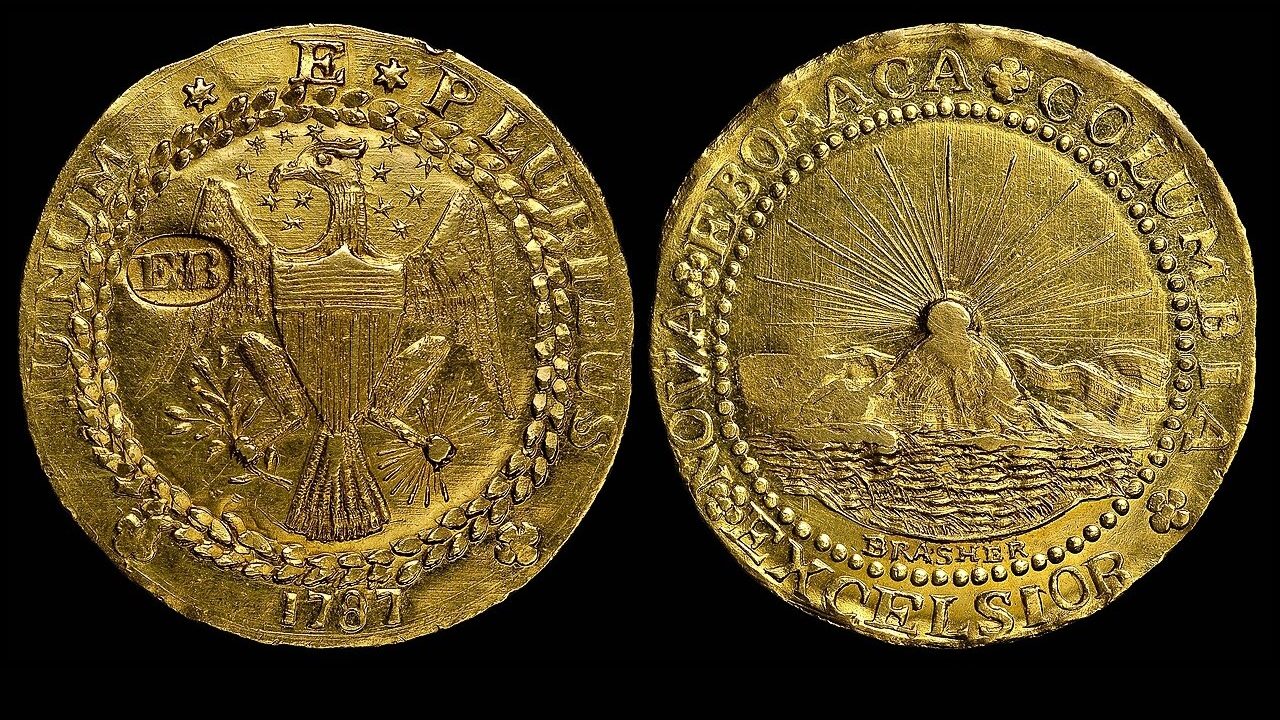
Before the issuance of the first regular federal gold coins by the U.S. Mint, New York goldsmith and assayer Ephraim Brasher produced his famous gold doubloons in 1787. Brasher stamped his unique “EB” hallmark on his coins, which doubled as a hallmark of his profession of testing and certifying gold coins.
Most examples of New York-style Brasher Doubloons are struck with his EB punch on the eagle’s wing. However, there is one very special example struck with the punch on the eagle’s breast. Often referred to as the “EB on Breast” Brasher Doubloon, this piece sold privately in 2011 for an estimated $7.4 million.
Nobody knows exactly who made the five mysterious 1913 nickels
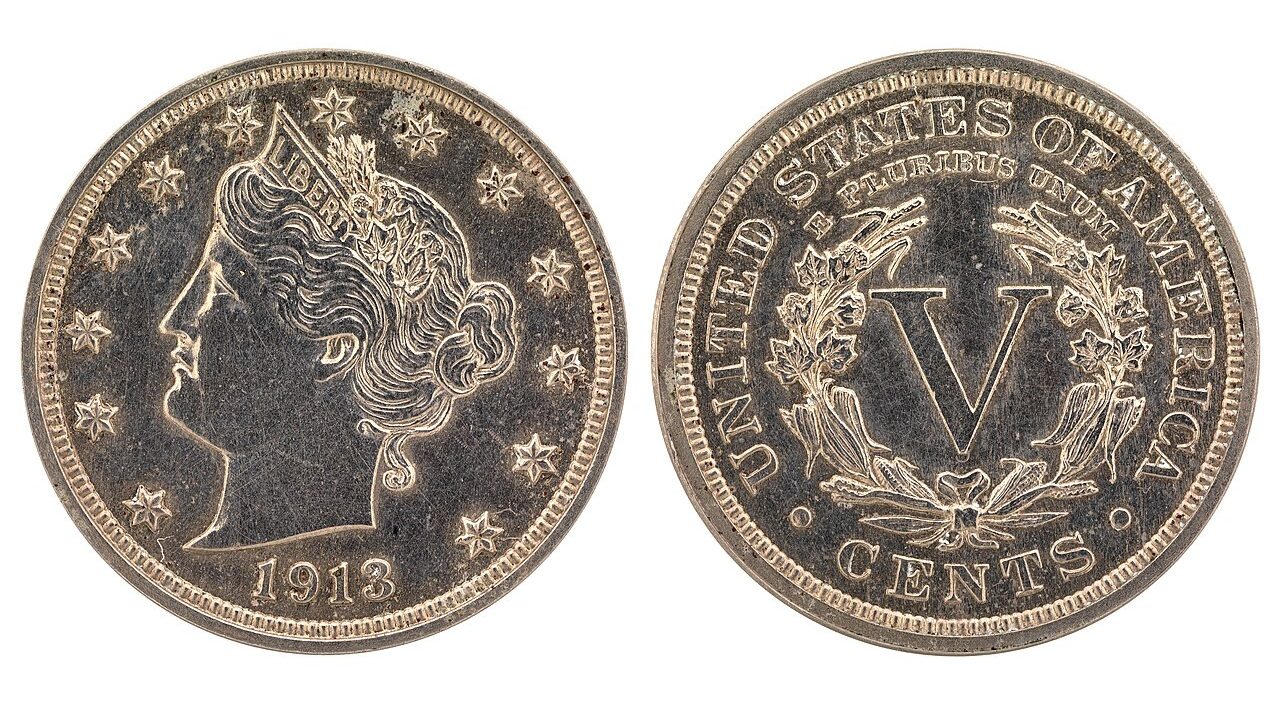
Records of the U. S. Mint state that Liberty Head nickels stopped being produced in 1912. However, five curious specimens dated 1913 have come into existence. Samuel W. Brown, who had worked at the Philadelphia Mint, placed an advertisement offering to purchase 1913 Liberty nickels and later exhibited all five of them, causing many generations of collectors to believe he had something to do with their removal from the Mint.
There is no proof that Brown had them struck, however, nor is there any evidence that tells how the five coins were produced. One sold for $100,000 in 1972, the first U.S. coin to do so.
A 220-pound gold coin was stolen with a wheelbarrow
Five giant “Big Maple Leaf” coins made of 99.999% pure gold were produced by the Royal Canadian Mint, each coin weighing 100 kilograms (220 lb) and with a face value of C$1 million, though worth much more than that face value. One of them was stolen from Berlin’s Bode Museum in 2017; thieves used a ladder, rope, and wheelbarrow to remove and transport the very heavy loot. The coin has never been recovered and is believed to have been melted down for its gold content or cut into pieces.
A 1,300-year-old gold dinar actually names the region of its mine
A very rare Umayyad gold dinar, struck in AH 105 (AD 723–724), also bears an unusual Arabic inscription: “from the mine of the Commander of the Faithful in the Hijaz”. This inscription unmistakably ties the source of the gold used to produce the coinage to a mine owned by the caliph himself in that region.
However, the exact site of the mine has been the subject of debate, and assertions that it can be conclusively located near Mecca are overstated. It is one of the earliest Islamic coins produced in gold to name a region of mining in Arabia. Coins of this rare type have sold for multi-million dollar prices.
Edward III’s Double Leopard disappeared almost as soon as it appeared
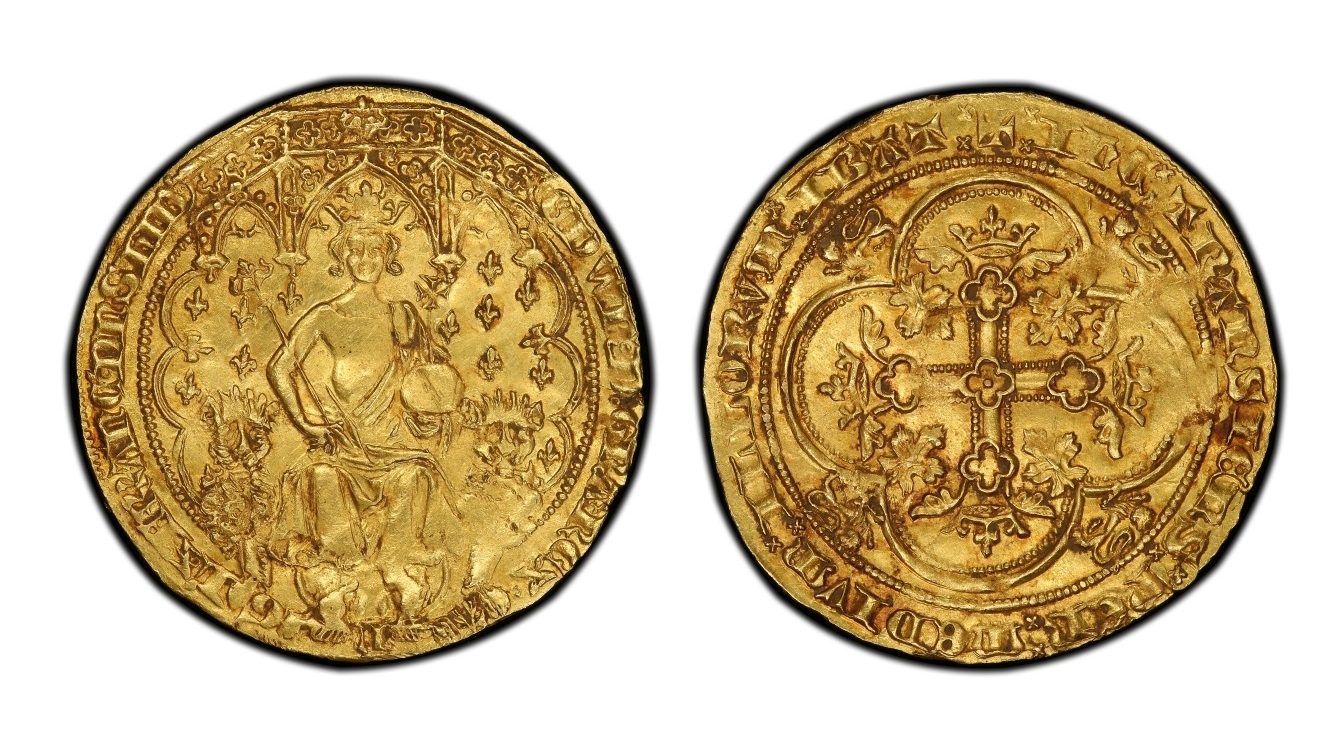
Issued in 1344, Edward III’s new gold florin (popularly known as the Double Leopard) depicts the King of England seated on his throne flanked by two leopards. It was valued at six shillings, but the high gold content and its official rate of exchange made the coin unpopular with merchants.
England’s first venture into high-value gold coins was not a success. The coins were only issued for a few months before being recalled, and most of them were almost certainly melted down. Three examples of the Double Leopard are known to still exist, which makes it one of the rarest medieval English coins and consequently extremely valuable.
Sources: Please see here for a complete listing of all sources that were consulted in the preparation of this article.