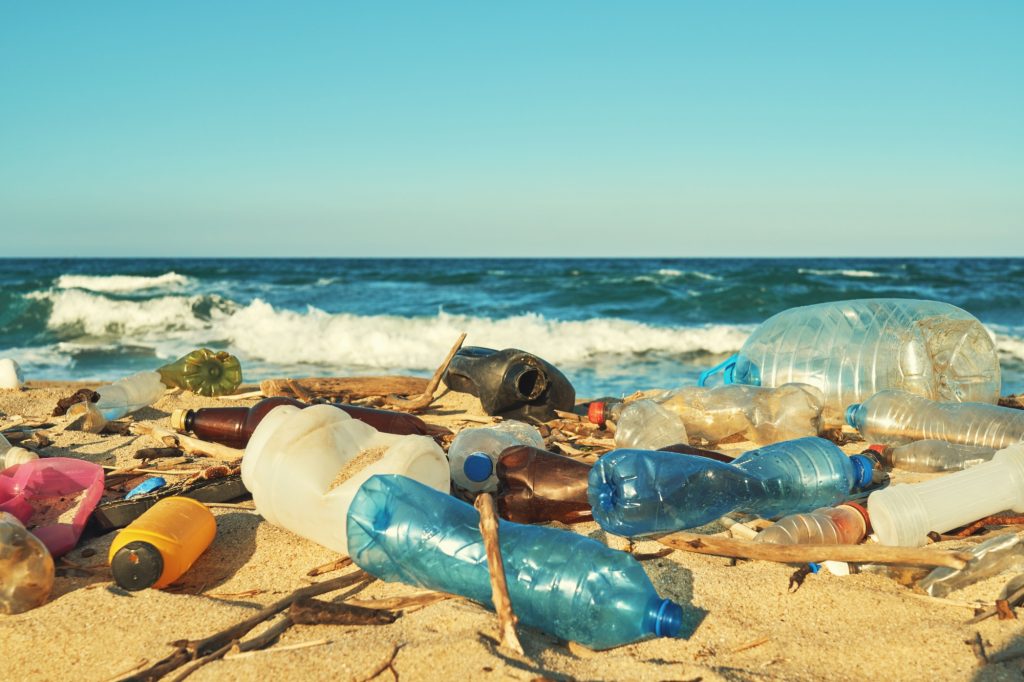
Plastic has been part of modern life for less than a century. Unfortunately, it’s managed to reach almost everywhere, including oceans & mountaintops, even inside us. It’s a material that doesn’t really go away.
Here are nine facts about plastic that’ll stick with you in the same way. Which fact do you think will make people take notice?
Global output and recycling reality
Recent figures show that the world makes approximately 460 million tons of plastic every year. It’s around double what we made at the start of the century.
Sadly, very little of the plastic we make today is recycled, roughly only 9%. The rest of it? It’s burned or buried, perhaps even going off somewhere it’s not supposed to be.
Annual leakage into waters
Approximately 19 to 23 million tons of plastic go into our waterways. This figure includes rivers & lakes, even oceans.
Essentially, it’s the equivalent of thousands of garbage trucks’ worth of plastic trash that gets dumped into our water, day after day, week after week. It’s terrible for wildlife.
Size and makeup of the Pacific patch
You may have heard of the Pacific patch. It’s a huge mass of plastic in the Pacific that’s far bigger than most people realize. How big? It’s about the size of Alaska.
Most of what’s floating in the patch is large chunks like ropes & nets that come from fishing. Roughly half of the mass is simply old gear lost or tossed overboard. The trash continues to drift in circles.
Microplastics detected in human blood
Most of us know that microplastics are everywhere, although not everyone knows they’re actually inside us. Yes, scientists have found plastic inside human blood samples.
We all have tiny plastic polymers floating through our veins, like from our food & the air. There’s no way to escape plastic.
Plastic falls with the rain
Water isn’t the only thing coming down when it rains. Tests in mountain regions found that there are bits of plastic fibers in water droplets that likely came from clothing fibers carried into the clouds.
Other plastic droplets probably came from tire dust floating in the air. A thunderstorm could actually pour down microplastics onto the world.
Highest-altitude microplastics
Speaking of mountains, there’s even plastic high up in the Himalayas. Samples have found microplastics in the snow near Everest Base Camp & higher on the mountain.
The plastic on the mountain likely came from climbers’ clothes and tents. It may have come from their equipment, too. Whatever the cause, the synthetic fibers stick around long after everyone has gone back down.
Plastic keeps leaking chemicals long after you toss it
Unfortunately, throwing away plastic won’t fix the problem. The additives used in plastic to make it flexible or fire-resistant leak, causing chemicals like phthalates to go into the air & soil.
But it gets worse. Researchers have discovered traces of these chemicals inside people’s homes and bodies.
Glass-bottled drinks contain more microplastics than plastic bottles
Yes, glass bottles sound like they should be the better choice. But not always. Tests on glass beer & soda bottles found that they have more plastic particles in them than plastic ones. How?
It’s the bottle caps. Every time you twist open and close the bottle, the inner seal layers release microplastics into your drink.
There’s a rock formation made of plastic on shorelines
Researchers have found rocks coated in thin layers of melted plastic on coasts around the world. They gave it the name “plasticrust.”
Plasticrust is formed when bits of polyethylene trash soften under the heat. It then sticks to the stone. Eventually, the plasticrust becomes part of the shoreline.
The following sources were consulted in the preparation of this article:
- Global Plastics Outlook
- Plastic Pollution
- Evidence that the Great Pacific Garbage Patch is rapidly accumulating plastic
- Discovery and quantification of plastic particle pollution in human blood
- It is raining plastic
- Reaching New Heights in Plastic Pollution—Preliminary Findings of Microplastics on Mount Everest
- Additives of plastics: Entry into the environment and potential risks to human and ecological health
- Microplastic contaminations in a set of beverages sold in France
- Plasticrust generation and degeneration in rocky intertidal habitats contribute to microplastic pollution