We often look at famous works of art and appreciate their aesthetics, but what many of them don’t show are secrets hidden in plain sight. From coded messages to hidden details, artists have been tricking the eyes of the general public for centuries.
Artists have embedded symbols in their work to spread messages, illustrate stories, or rebel against their society. When you learn about these secrets, you can’t unsee them. So here are 12 secrets behind famous works of art.
“The Blue Room” By Pablo Picasso
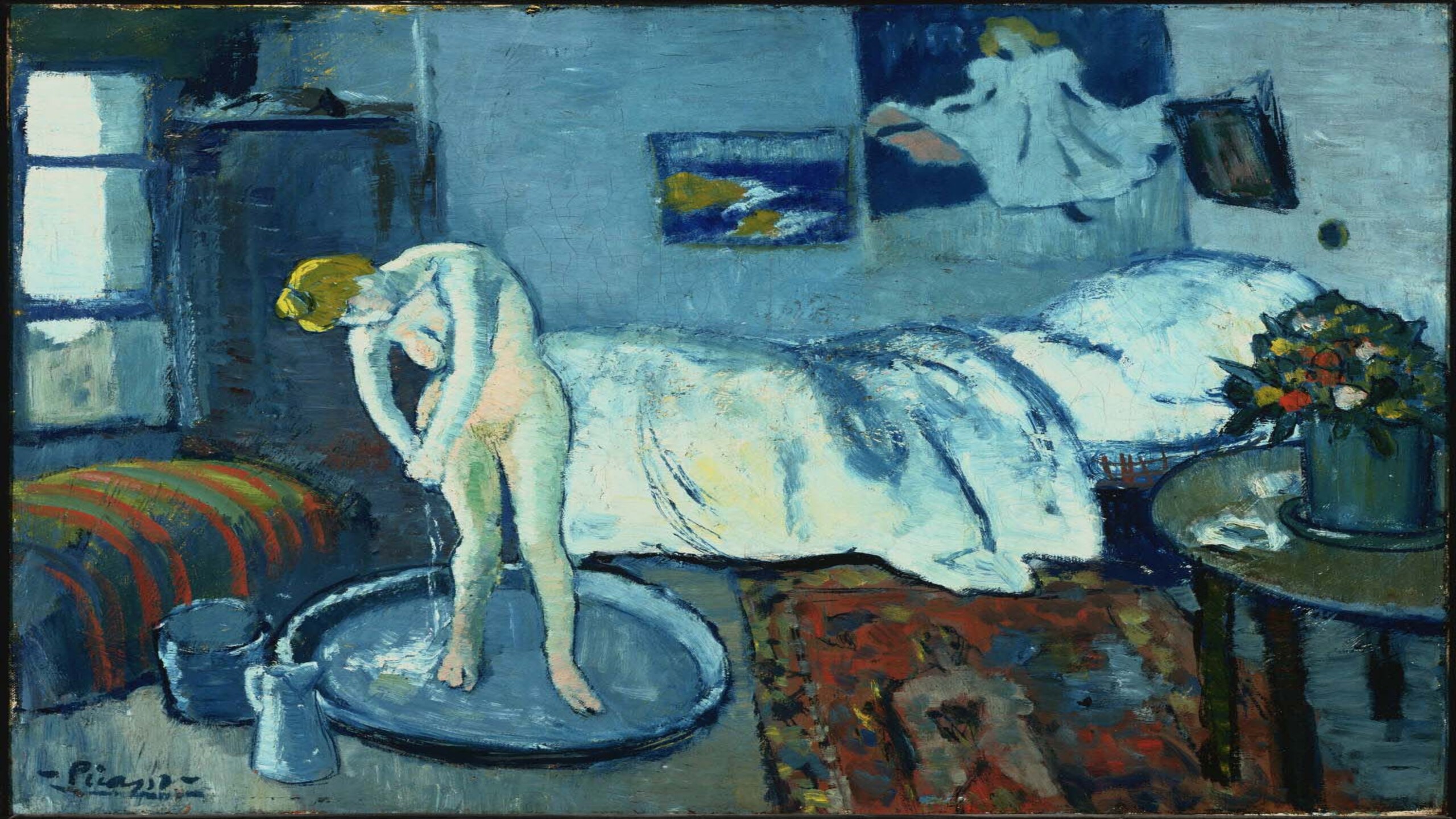
By using infrared reflectography technology, scientists were able to “see” through the upper layer of blue paint in this painting. They discovered a man sitting in a chair with his head resting in his hand. He wears three rings on his fingers and is also wearing a suit. He is positioned vertically, even though the final “Blue Room” painting we see today is horizontal.
This shows just how broke Picasso really was during his “Blue Period.” Apparently, he couldn’t afford to buy a new canvas every time he needed one, so he settled for sacrificing an older portrait and painting over it to create what we see today.
“The Madonna with Saint Giovannino” by Domenico Ghirlandaio
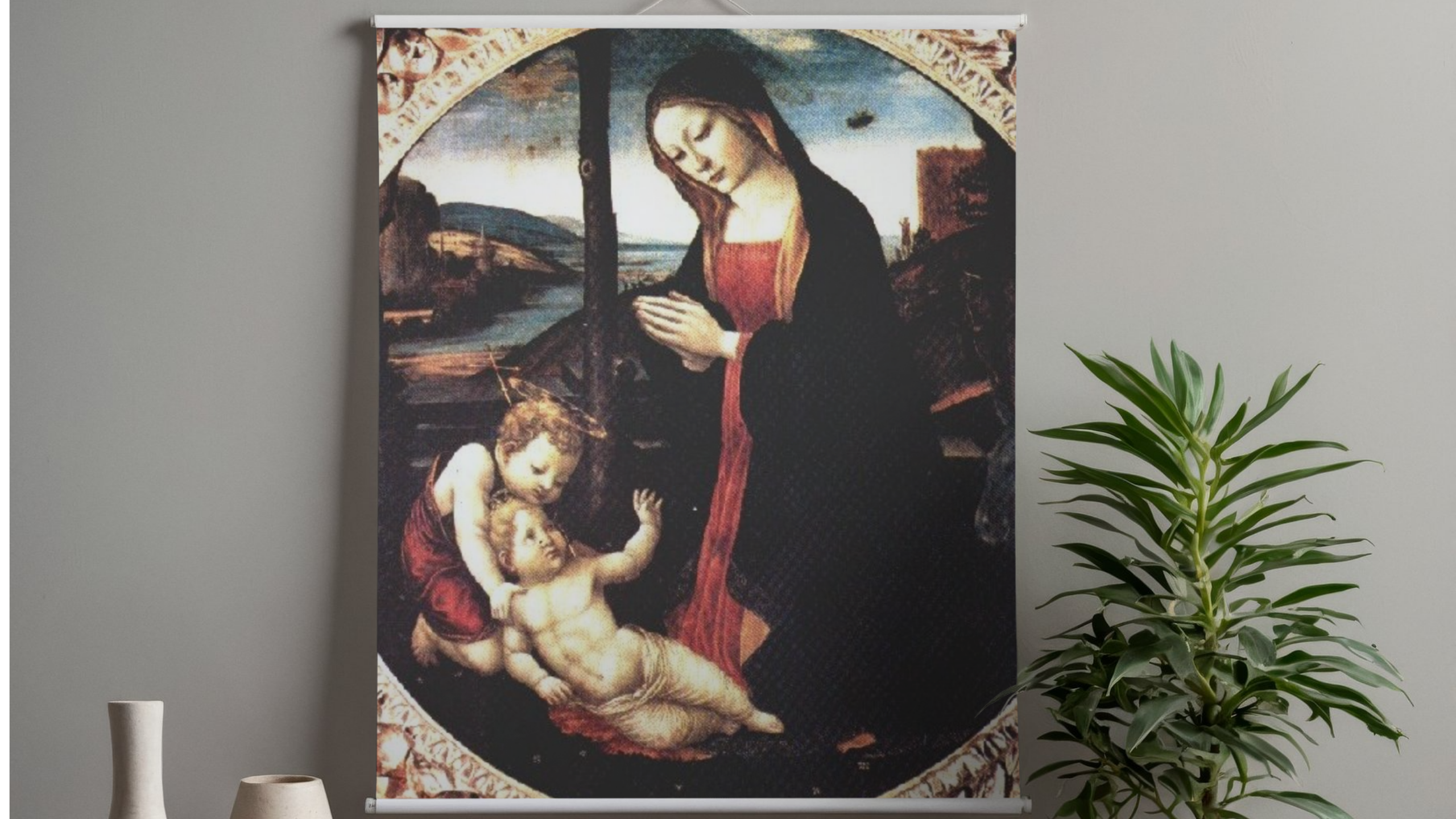
There looks to be a weird, metallic oval with beams of light shooting off of it in this painting. It’s hovering in the upper right hand corner, and there’s a man below it placing his hand to his forehead in an attempt to shield his eyes from the sun so he can see it. His dog is barking up at it, too.
UFO theorists are obsessed with this painting, but historians have clarified that during this time period it was common practice to paint “luminous clouds” to represent God or a message being sent from heaven. Despite that fact, the way it’s painted so “solid” compared to the fluffy clouds surrounding it makes this painting’s mystery number one today.
“Mona Lisa” by Leonardo Da Vinci
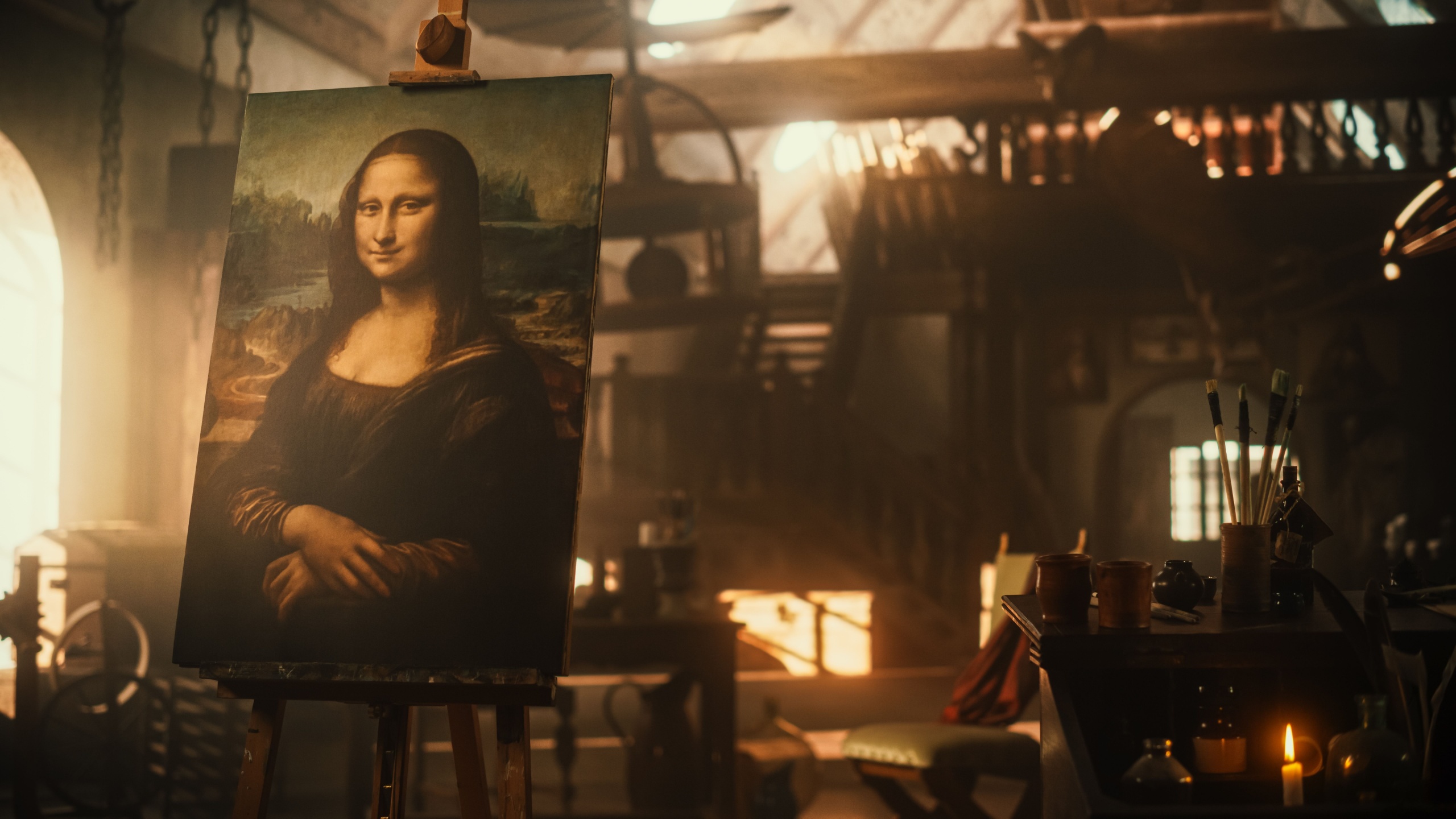
Silvano Vinceti, an art researcher from Italy, studied the masterpiece with magnifying glasses and high resolution scans to discover some symbols.
“LV,” which stands for Leonardo’s name, can be found in her right eye. Inside her left eye are either the symbols “CE” or “B.” Next, under the small bridge in the background, you can see the number “72” or “L2” painted into the scene.
These codes suggest the painting is much more personal than a simple portrait of a merchant’s wife. Some believe the “72” refers to 1472, the year a major bridge in that region was destroyed by a flood, which would help identify the exact landscape Leonardo was painting.
“The Last Supper” by Leonardo Da Vinci
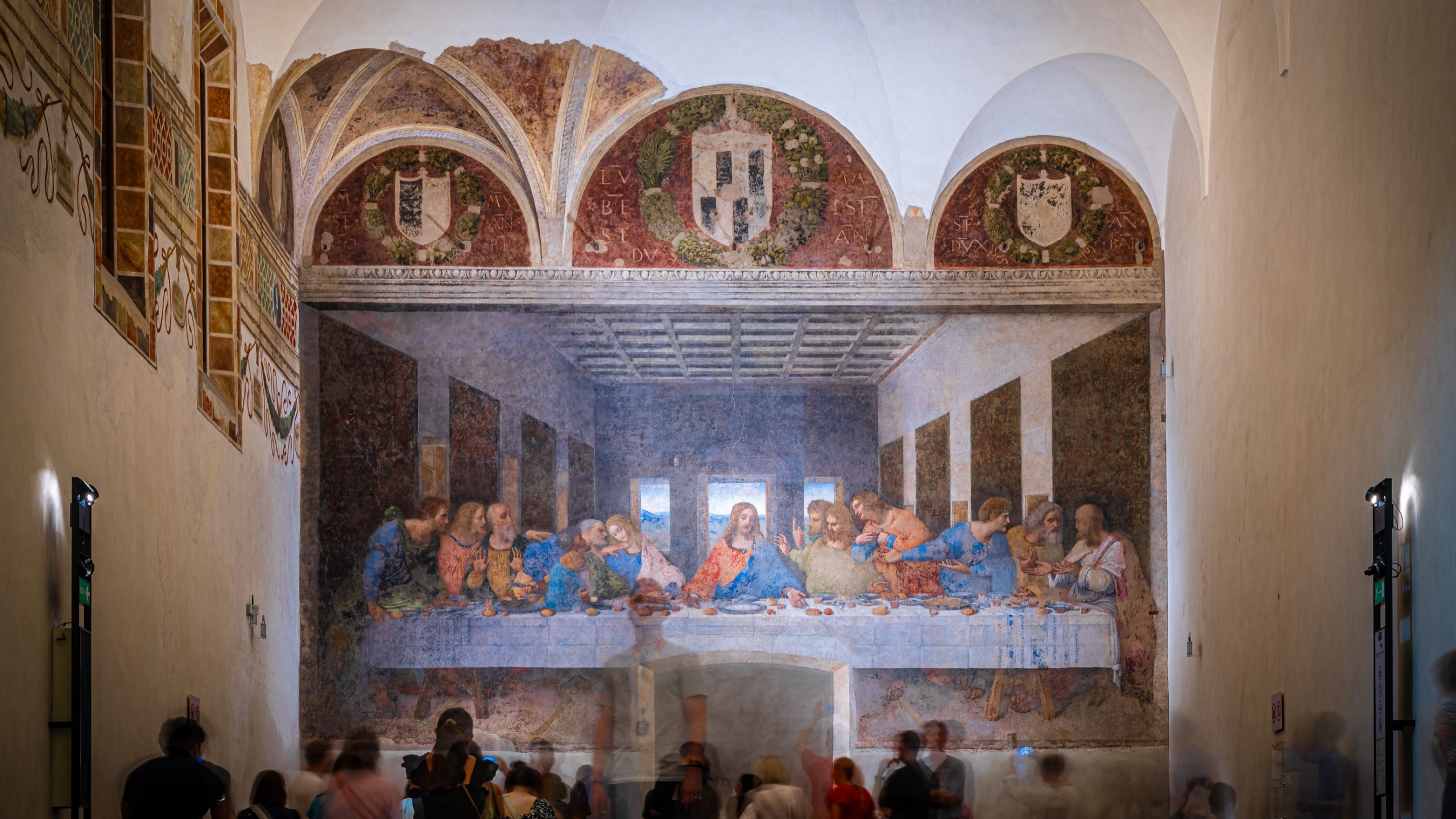
When the musical staff is laid across the painting, the notes are formed by the hands of the Apostles and the loaves of bread on the table. Giovanni Maria Pala, a musician, realized this when he played all of the notes in order and discovered it was a 40 second Requiem (song for the dead).
Leonardo was not only a world renown painter during his time but was also a famous lute player and composer. However, almost all of his music was lost throughout history. This beautiful “hidden track” acts as a soundtrack to the painting.
“The Creation of Adam” By Michelangelo
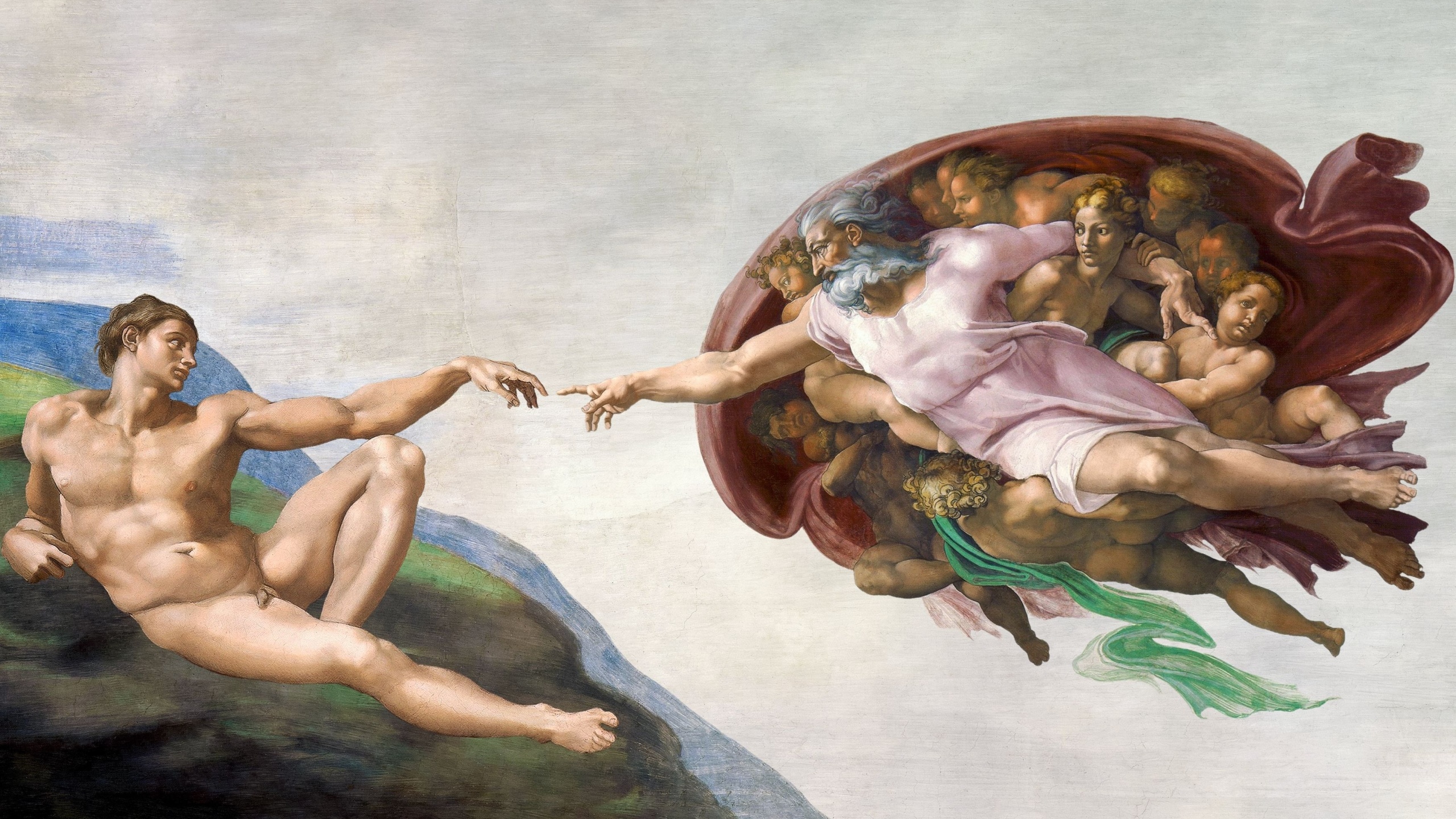
Michelangelo painted more than just a brain. Look closer and you’ll see that he painted a very specific “coronal” view of a brain (vertical slice). He then painted the red shroud to match up perfectly with the folds of the cerebral cortex. Even the scarf’s dangling from the bottom are positioned to look like the vertebral artery and the spinal cord.
Michelangelo was studying anatomy by dissecting human corpses in the early 1500s. It was often frowned upon by the Church, so he had to sneak out and do it by candlelight at his local morgue. By painting the brain onto the Sistine Chapel ceiling, Michelangelo was essentially saying that the “breath of life” God gave to Adam was his mind.
“The Ambassadors” by Hans Holbein the Younger
That strange and distorted gray blob at the bottom of the painting is actually a cleverly hidden human skull using an artistic technique called “anamorphosis.” In order to see the secret clearly, you must stand at such a sharp angle to the right of the painting that you cause the “smear” to transform into a realistic 3D image.
Holbein placed this into the painting to serve as a memento mori, which is a reminder of death. In hiding a symbol of death amongst so much wealth and scientific discovery, he’s reminding you that death is inevitable and will render your material success temporary.
“The Music Lesson” by Johannes Vermeer
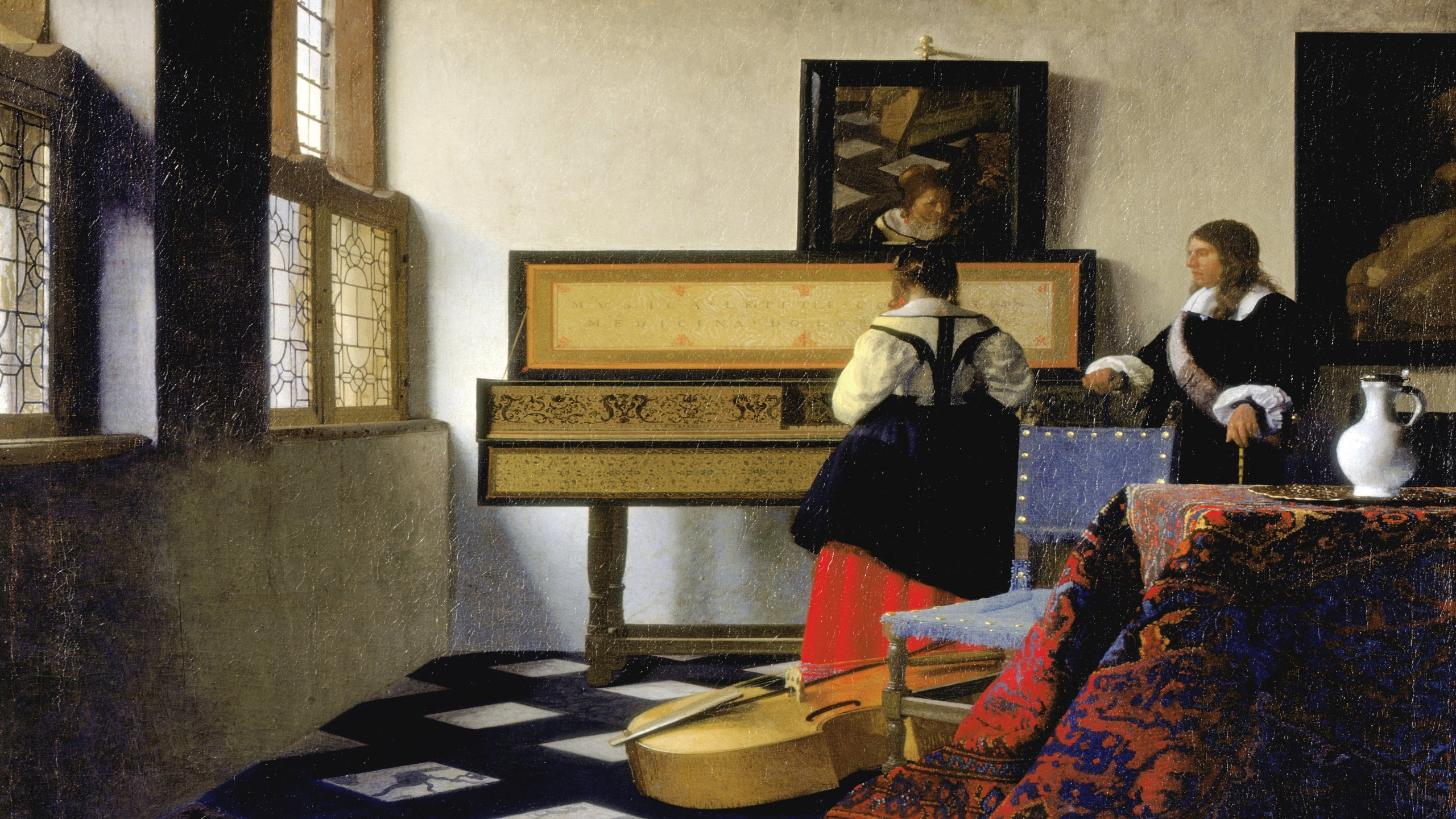
Looking at her mirror reflection changed the meaning of this painting forever. The young woman in the painting is staring straight at her music tutor, not at the piano. Also hiding in the painting was a wine pitcher sitting on the table. In 17th century art, it was common to use this object as a code for an aphrodisiac or sexual advance.
With this detail, what was once a tranquil lesson in music is now a painting about sexual tension and illicit romance. Vermeer was a master of hiding provocative narratives inside seemingly normal domestic scenes.
“The Arnolfini Portrait” by Jan van Eyck
That tiny mirror in the background actually contains two hidden secrets. First, if you look closely in the convex mirror, you can see the artist’s reflection along with another witness coming INTO the room. Directly above the mirror, Van Eyck wrote a signature on the wall.
By adding himself into the painting, Van Eyeck turned art into legal evidence. Because witnesses were needed to verify contracts at the time, historians believe this secret proves the painting was used as proof of a legal marriage between the two main subjects.
“Lady with an Ermine” by Leonardo da Vinci
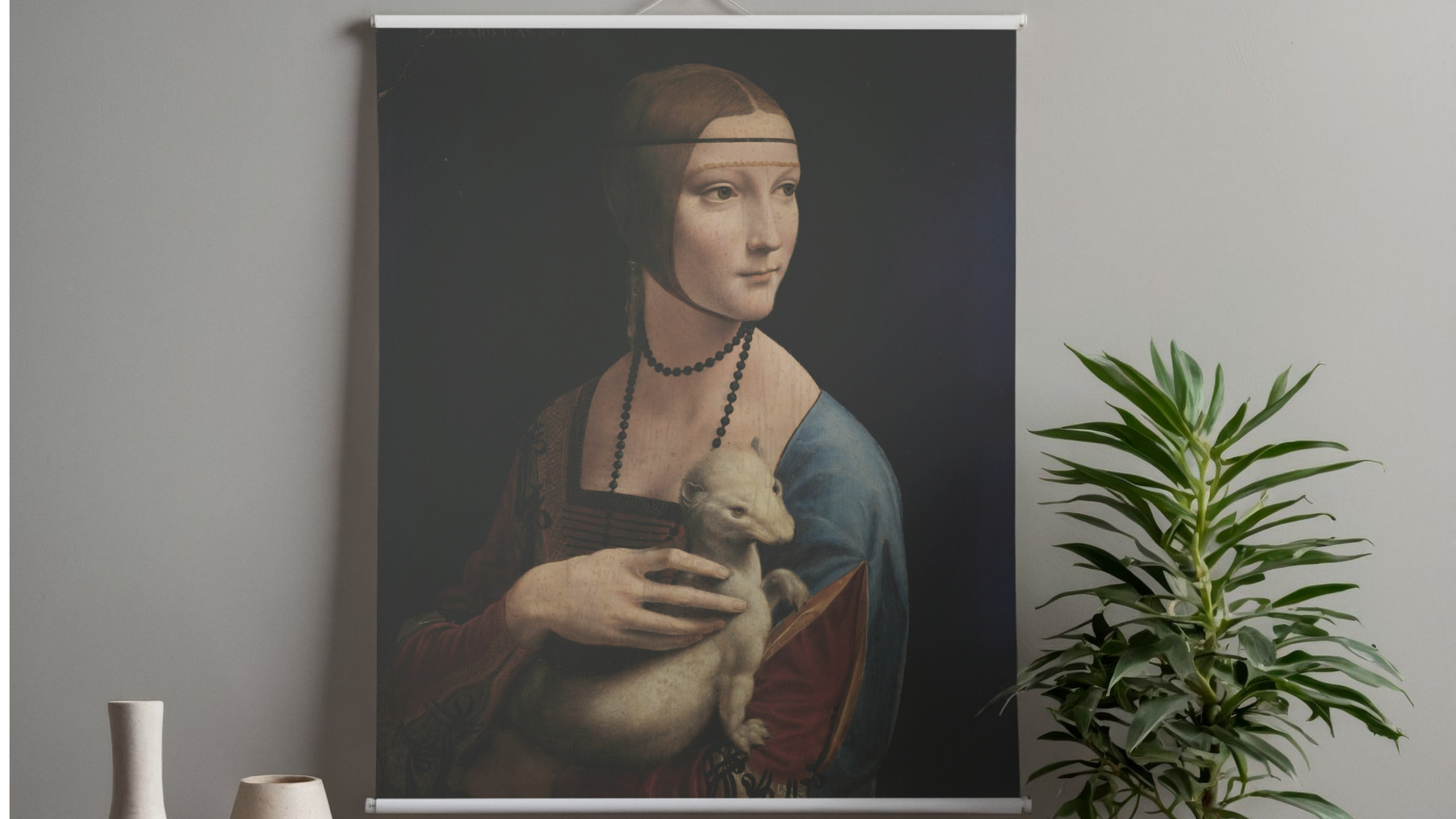
Hidden layers of paint, only visible to expensive multi-spectral lighting technology, revealed that Leonardo da Vinci changed the animal three times before finishing the portrait. We see that she first had no animal, then a small grey Ermine, and finally the giant white one we see today.
Ermines were the symbol of the Duke of Milan, who was secretly the woman’s lover. By changing the animal three times, da Vinci was perhaps slowly finding his way around an obvious painting that would’ve made their relationship too clear.
“Bacchus” by Caravaggio
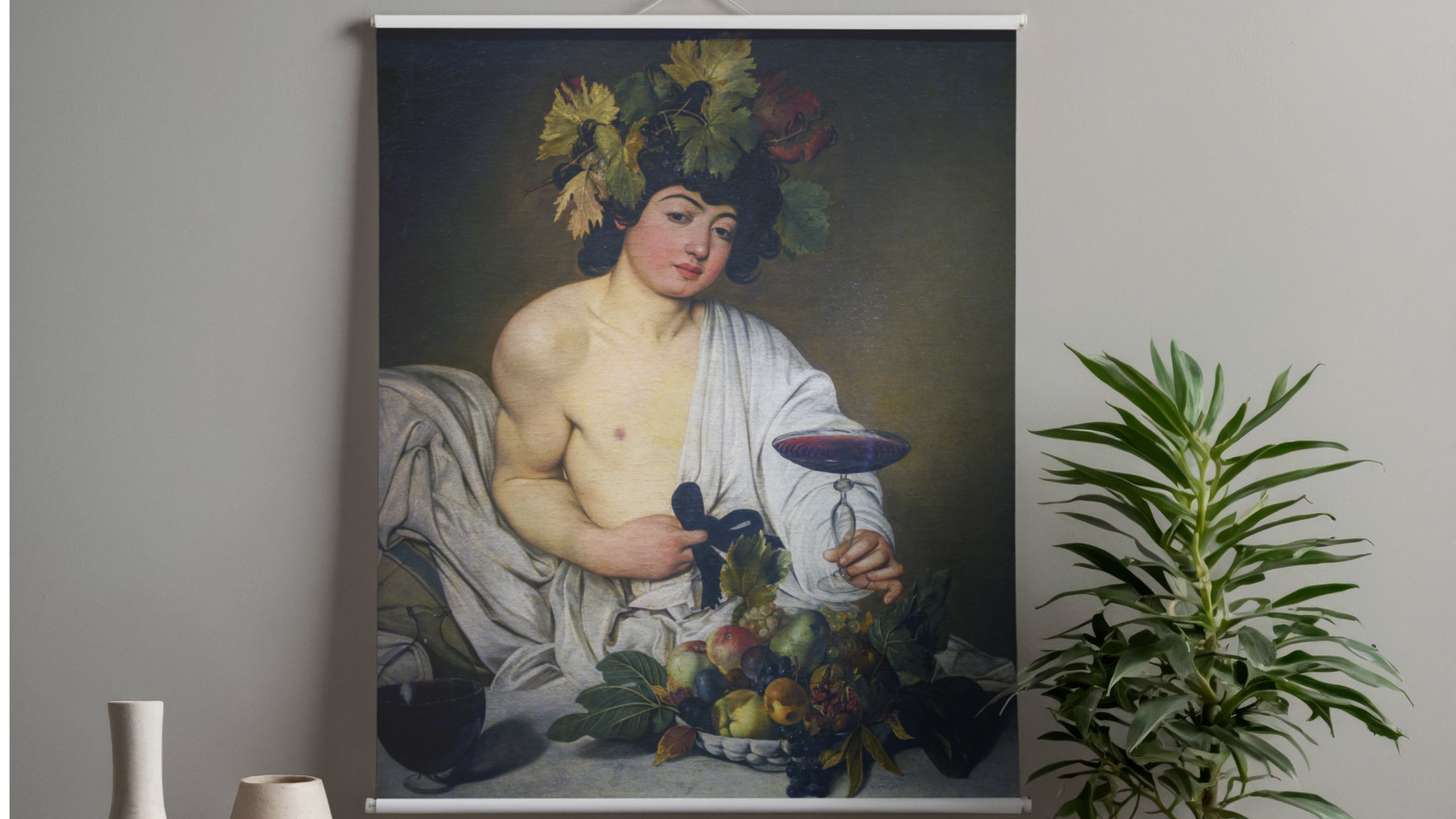
Hidden inside the reflection of the glass wine carafe is a microscopic self-portrait of Caravaggio himself. It is hidden so small that nobody knew it was there until the 1900’s when researchers used reflectography to uncover him standing over his canvas with a paintbrush in hand.
This secret proves that Caravaggio was obsessively interested with painting realistically and studying the physics of light. It also confirms that he painted himself into paintings using a complex mirror system.
“Primavera” by Sandro Botticelli
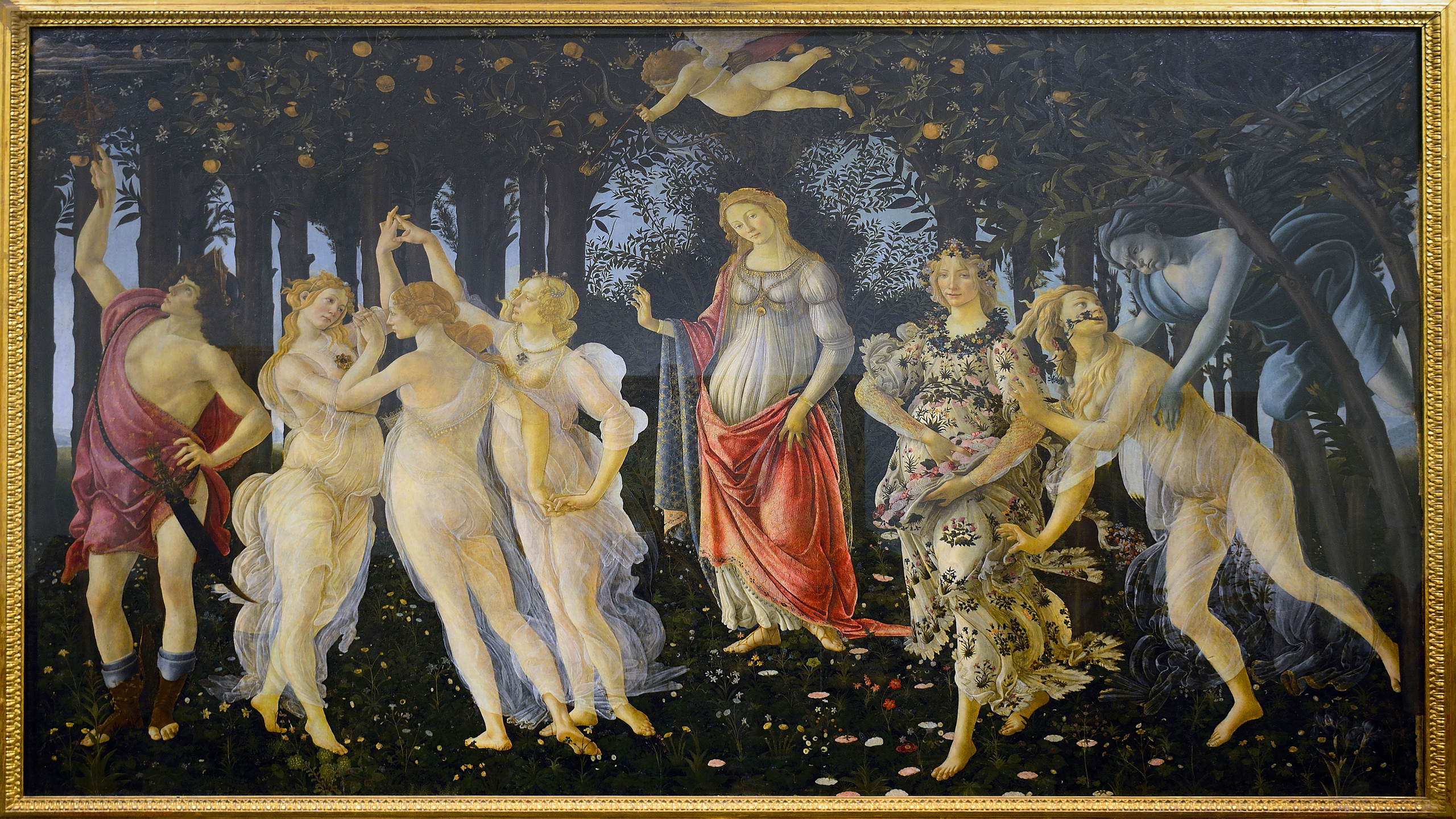
When you look at the grass inside Botticelli’s painting, you are actually looking at a massive encyclopedia full of over 500 different plants from at least 190 species. So realistic were Botticelli’s flowers and plants that modern botanists were able to identify most of them.
This secret shows that Botticelli was not just painting a myth, but was meticulously documenting the natural world of 15th-century Italy. It represents the bridge between Art and Science that would eventually define the Renaissance era.
“Patch of Grass” by Vincent van Gogh
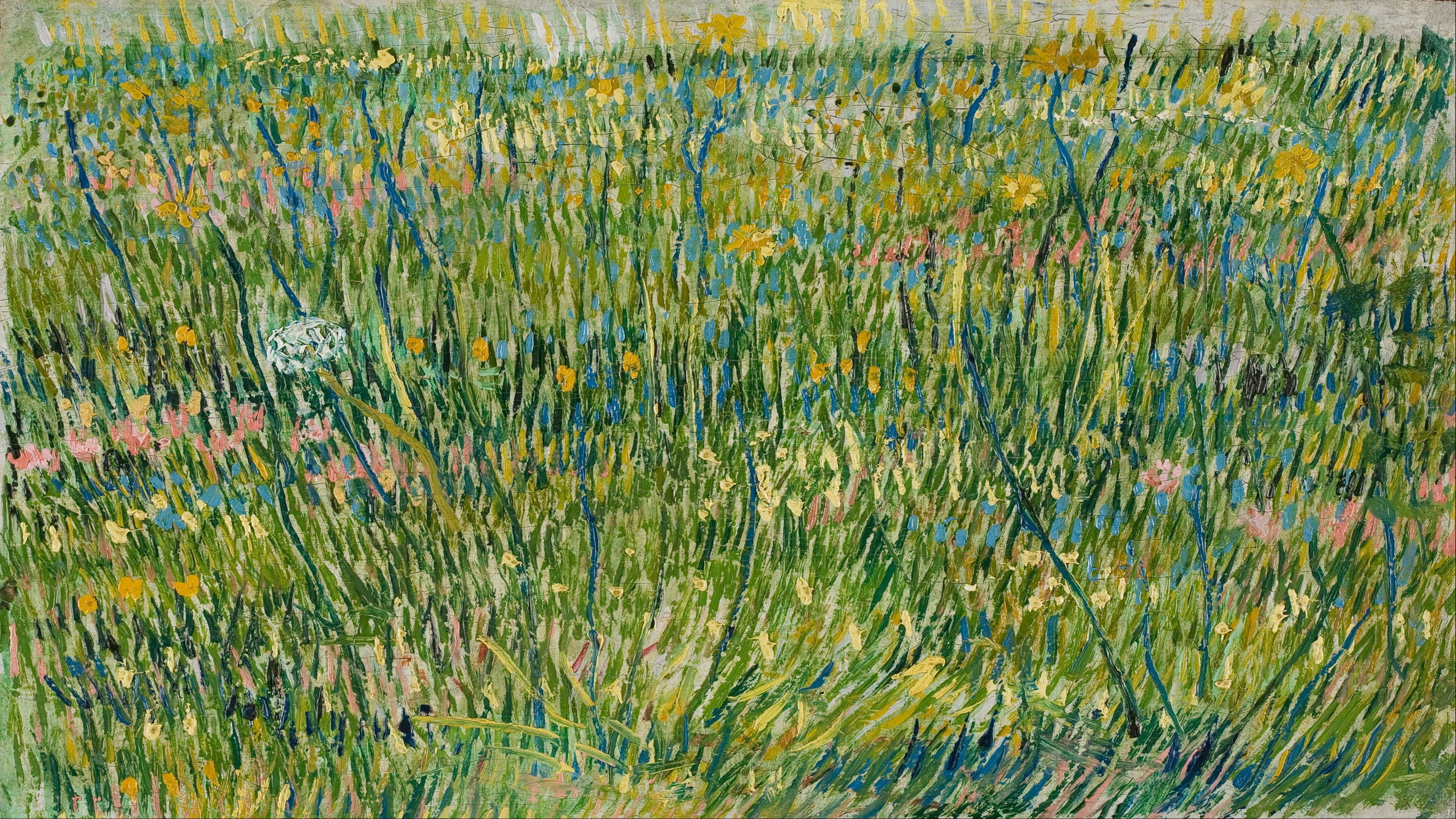
Using high intensity X-rays, researchers discovered an entire hidden portrait underneath Van Gogh’s patch of grass. You can clearly make out the face of what appears to be a peasant woman wearing a bonnet. Van Gogh painted this portrait first before painting over it with greens and reds.
This secret tells the story of not only Van Gogh’s failed financial state at the time but his entire painting process. Too poor to buy new canvases sometimes, Van Gogh was forced to paint over old artworks and start over. This specific discovery helped historians locate a series of “lost” paintings he created while living in a Dutch village called Nuenen.
The following sources were consulted in the preparation of this article:
- Sandro Botticelli’s ‘Primavera’ Is a Mysterious Celebration of Spring. Here Are 4 Things You May Not Know About This Enigmatic Marvel
- Secrets of Leonardo’s ‘Lady with an Ermine’ Finally Revealed
- The Ambassadors (Holbein)
- Masterpiece Story: The Music Lesson by Johannes Vermeer
- Math and the Mona Lisa: The Art and Science of Leonardo da Vinci
- Caravaggio: Discovery Of Self-Portrait In Bacco
- X-Rays Reveal Van Gogh’s Hidden Portrait