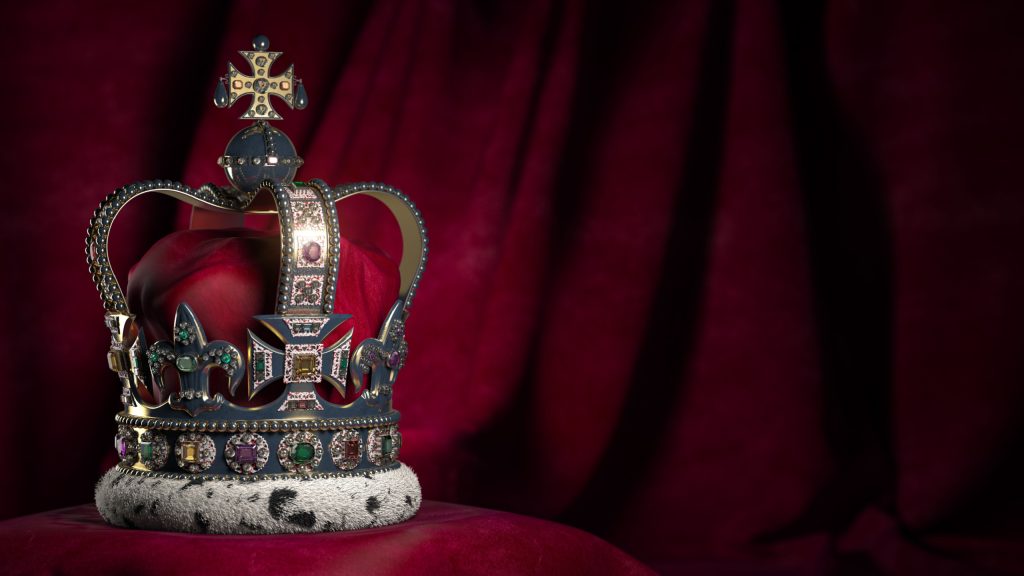
British noble titles sure do get confusing. There are just so many of them & it’s never quite clear which one you’re supposed to use to talk about each person, or even how to address them. But it doesn’t have to be so confusing. Here’s a simple guide to the titles of British nobility. Which title would you like to have?
Nobility and the peerage
People use “nobility” to talk about the group of British people that’s made up of dukes, marquesses, earls, viscounts & barons. The names came from medieval politics. Major landholders sat with the king in councils that, later, became the House of Lords. The crown tied such positions to specific titles. It’s how the peerage, or nobility, came to be.
Yes, the House of Lords works differently now. But the titles follow the same old rules, in that they’re granted by the monarch & written down in letters patent. They also come with official forms of address.
The five ranks of the peerage
The nobility works in five ranks & has the duke at the top, followed by the marquess, then the earl, and then the viscount. A baron is at the bottom. Each rank has a specific place in formal documents.
It’s completely normal for people to mix some of these titles when they’re speaking about them generally. But the order itself is quite strict within the system. There’s no room for confusion.
The top rank
Right at the top is the duke, a name that goes back to the Latin word dux. It essentially meant a leader. The very first duke was the Duke of Cornwall, Edward III’s son, who was given the title in 1337. The title still exists.
It’s only the dukes & duchesses who get the title “His Grace” or “Her Grace.” At least, that’s the case formally. A few dukedoms are connected to royal family members. But the majority of those with the title were powerful political figures.
The middle ranks
A marquess is just underneath a duke. The name comes from the term used to describe a person responsible for the border regions of England. These areas used to be called “marches.” A woman in the same position is a marchioness, and you call the pair a “Lord” or “Lady.”
The earl is after the duke, and they have the oldest titles in the ranking. The name appeared in England in the 1000s during King Cnut’s rule. Interestingly, there’s no female name for an “earl,” so people usually use “countess” to talk about a woman in the same position.
Viscount and baron
Shortly after the earl is the viscount, the first English one of whom appeared in 1440. Henry VI gave John Beaumont the title Viscount Beaumont. Where did the name come from? It was a word that meant a “deputy count,” and the female version is a viscountess.
Last, but certainly not least, is the baron, an idea that began after 1066 with feudal barons. But it took until 1387 for the first one to be officially created. It was John Beauchamp de Holt, who became Baron Kidderminster. People often use the title of “baron” today when they’re talking about someone becoming a life peer.
Life peers and hereditary peers
A few titles may pass down through families. But not all of them. The oldest kind to pass down is a hereditary peer, a title that usually goes to the eldest son. The titles move according to whatever the original letters patent say.
In 1958, the Life Peerages Act was passed & it introduced a new kind of peer, known as a life peer. These people hold baronies that end with them. The reigning monarch can appoint them, and their title doesn’t pass on to their children. The 1999 House of Lords Act also changed who was allowed to sit in the House, leaving only 92 hereditary peers in there with other people.
Barons, baronets, and knights
Don’t worry if you’ve assumed that “baronet” is a fancy word for a baron. It’s an easy mistake to make. The truth is, baronetcy is a kind of honor that gives people the “Sir” or “Bt” (Bart) name, but without the peerage status. It’s usually passed down through the male line.
A knighthood is even more distant because it’s simply a non-hereditary title today. Yes, knights & dames get their titles for life, and it’s usually through the Order of the Garter or the Order of the British Empire. But it only exists for as long as they’re alive.
The following sources were consulted in the preparation of this article: