Humans have been building structures around the world for thousands of years. Many early structures were built for shelter or ceremony, and some of the earliest examples predate writing, the city, and agriculture.
There are sites across the globe, built from stone, earth, and wood. On this list are the oldest known buildings still standing today from every continent known to man.
Asia: Göbekli Tepe (Turkey)
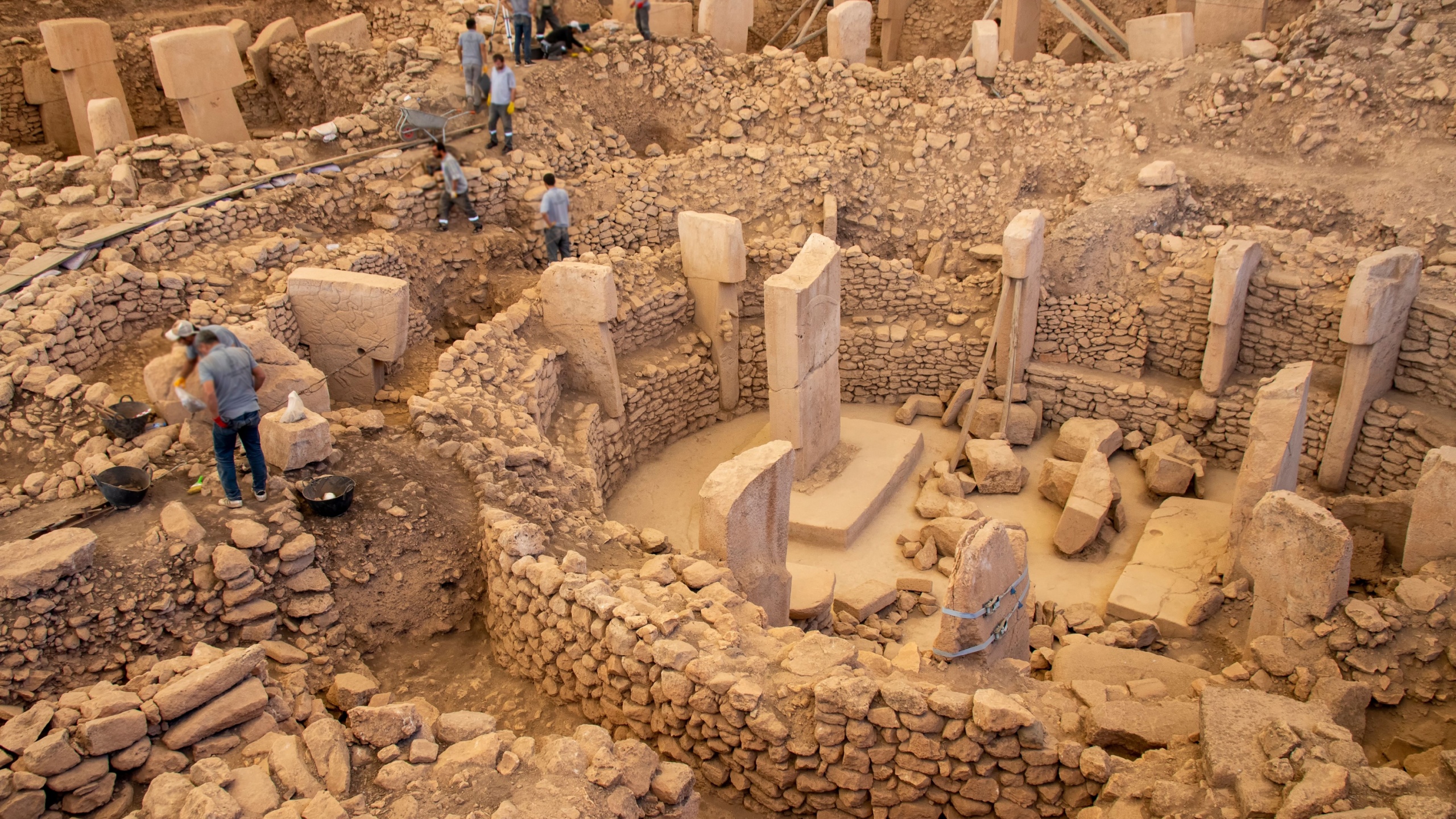
Built around 9,500 BC, Göbekli Tepe in south-central Turkey may be the oldest known monumental architecture in the world. The complex is made up of large stone T-shaped pillars set in concentric circles, many of which are decorated with reliefs of hunting scenes and wild animals.
It was previously thought to have been solely a temple for ceremonies until archaeologists discovered the remains of what they believe to be dwellings that predate pottery and farming by thousands of years.
Europe: Knap of Howar (Scotland)
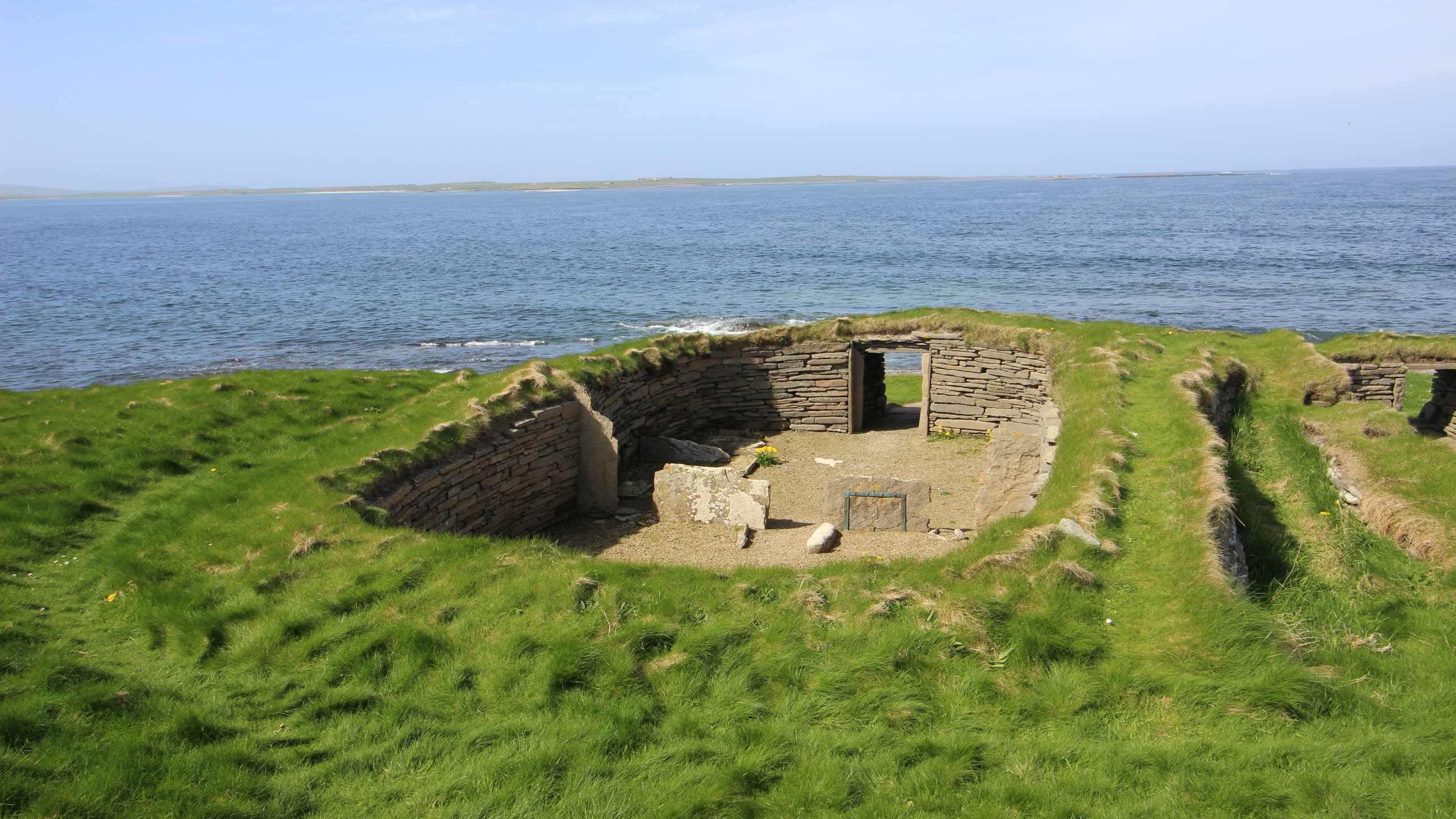
The Knap of Howar is considered to be the oldest standing, roofed building in Europe. Built nearly 5700 years ago as two connected thick-walled stone buildings, it is believed the Knap of Howar was used as a primary residence.
Archaeologists have discovered stone-built cupboards and partitions still standing inside the low door threshold buildings. They were part of a larger complex and have lasted 5,000 years because they were eventually buried beneath sand dunes.
South America: Caral-Supe (Peru)
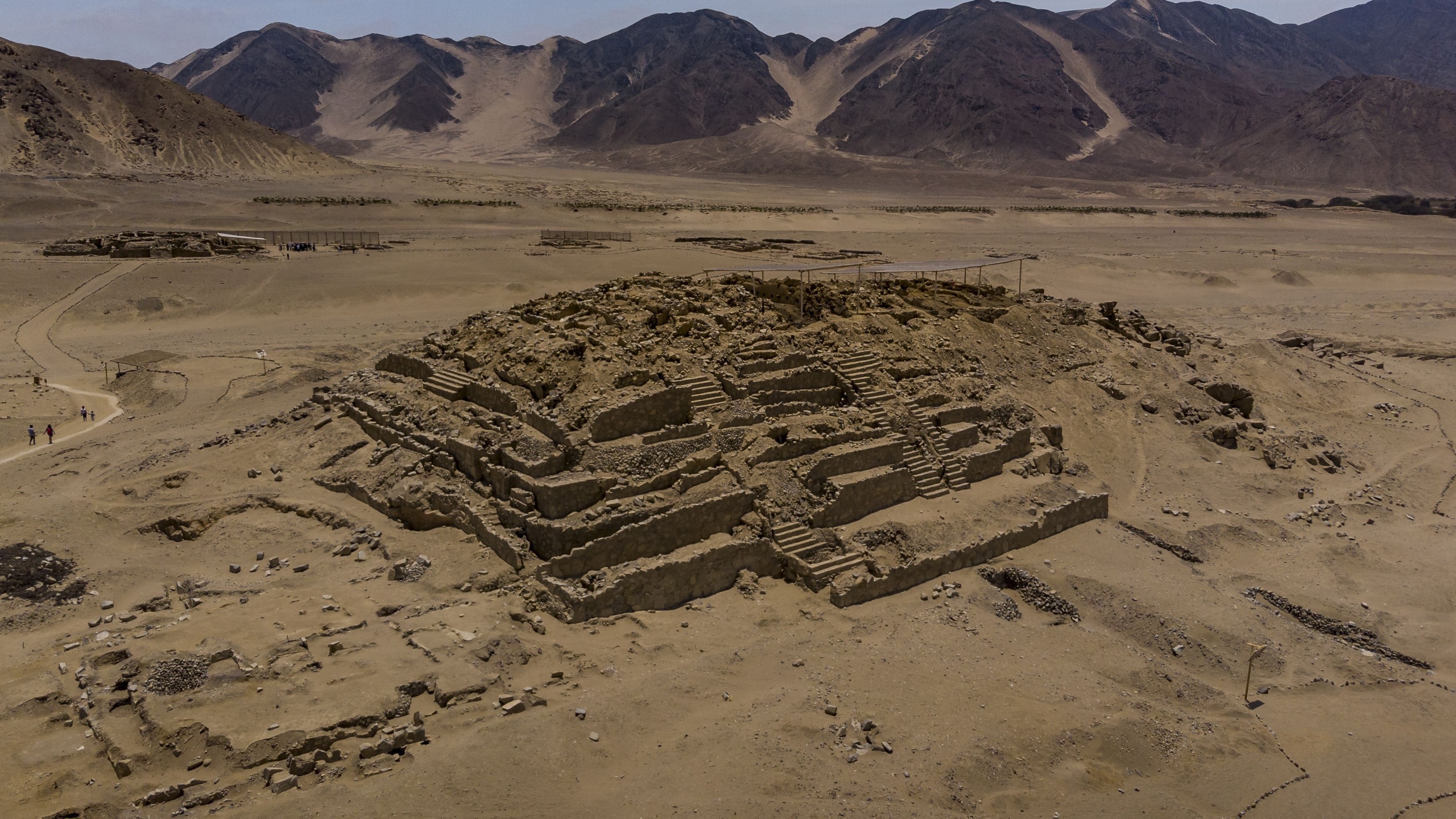
Occupied as early as 2600 BCE, the Sacred City of Caral-Supe is the oldest center of civilization in the Americas. The city was not fortified with walls, which tells archaeologists that it was a peaceful place that must have traded with other civilizations for food that couldn’t grow in its fertile environment.
The largest building here is known as the “Pyramid Mayor.” This large stepped building features an inner circular plaza surrounded by towering stone monuments. Buildings in Caral were made using baskets known as “shicras,” which were woven grass bags filled with stones.
Africa: Pyramid of Djoser (Egypt)
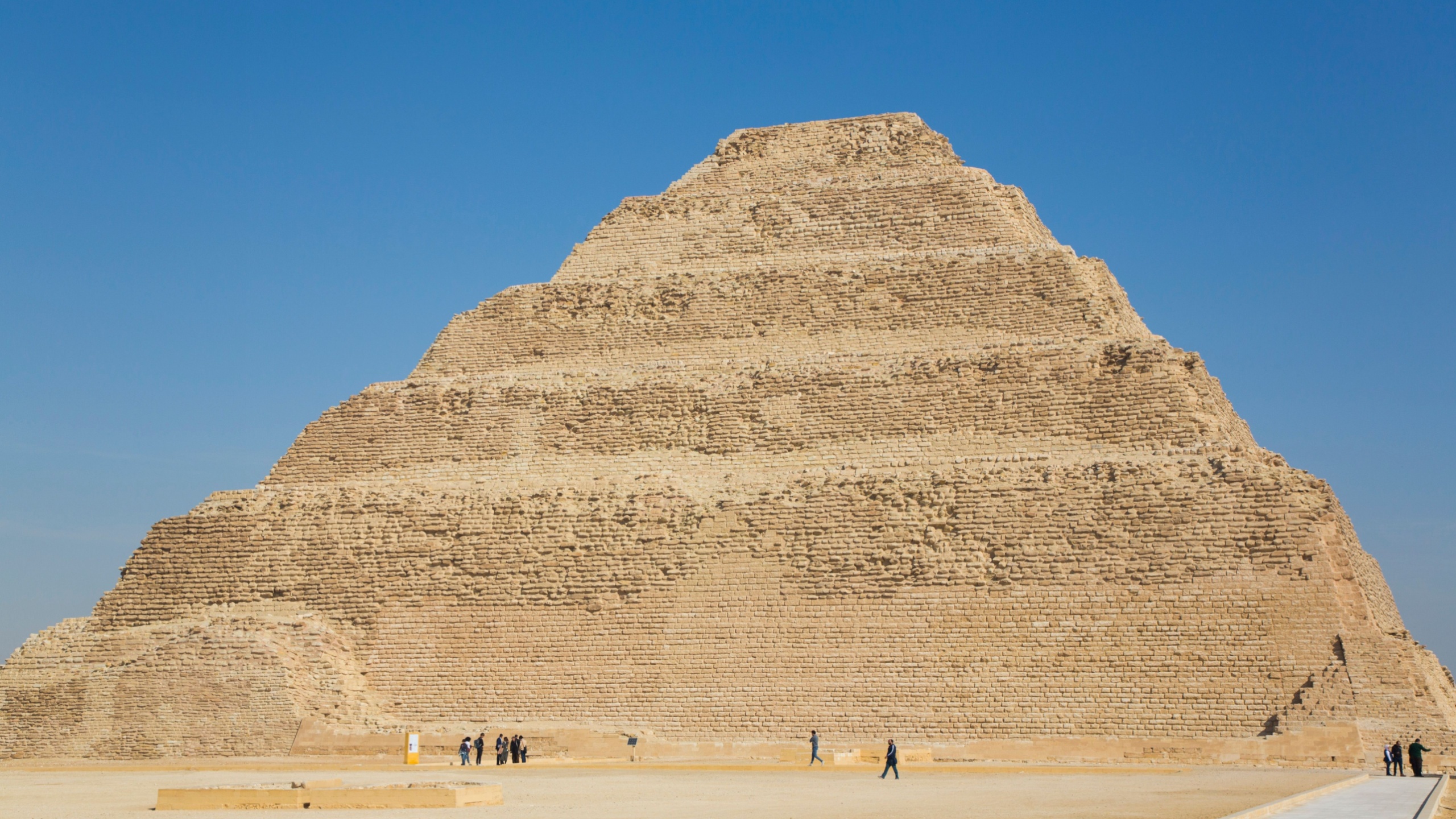
Around 2667 BCE, the step pyramid of Djoser was built by the famous pharaoh’s architect, Imhotep. Initially built as a flat-roofed mastaba tomb, Imhotep decided to stack several more layers on top of the original mastaba.
What resulted was a six-step true stone building that would come to be known as a “step pyramid”. Built out of limestone instead of sun-dried mud bricks, this was the first major cut stone construction on the continent of Africa. The Pyramid of Djoser was built to stand the tests of time as a part of a large mortuary complex.
Australia: Rosemary Island Stone Houses
The oldest known buildings in Australia are the stone houses of Rosemary Island in the Dampier Archipelago off Western Australia. Built around 9,000 years ago, these circular arrangements of stones are the foundations of what were once dwellings.
They offer insight into the organized engineering and settled lifestyles of Indigenous Australians during the early Holocene era. Previously, historians believed ancient Australian life centred around nomadic hunter-gatherer activities.
North America: Pueblo Bonito (USA)
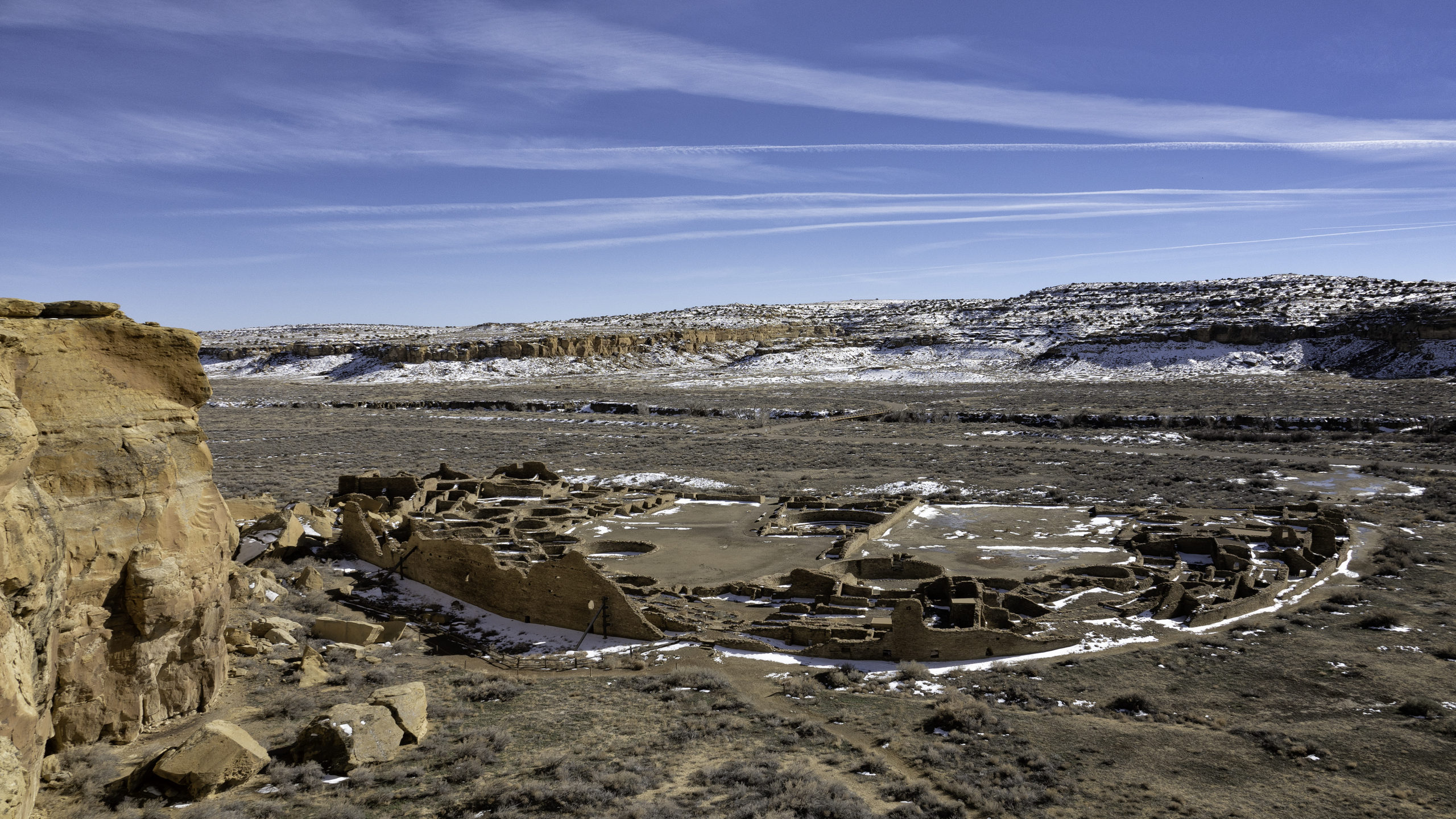
Located in the American Southwest is the Chaco Culture National Historical Park. Here you will find Pueblo Bonito, which translates to “Big House” in the Native American Spanish tongue. Built between 850 AD and 1150 AD, this “great house” was the center of the Chacoan world.
Containing over 600 rooms and 24 kivas, it was the largest apartment-style building in North America until modern times. Pueblo Bonito is special because their masonry hints that the Ancestral Puebloan who lived here understood both solar and lunar cycles.
Antarctica: Discovery Hut (Ross Island)
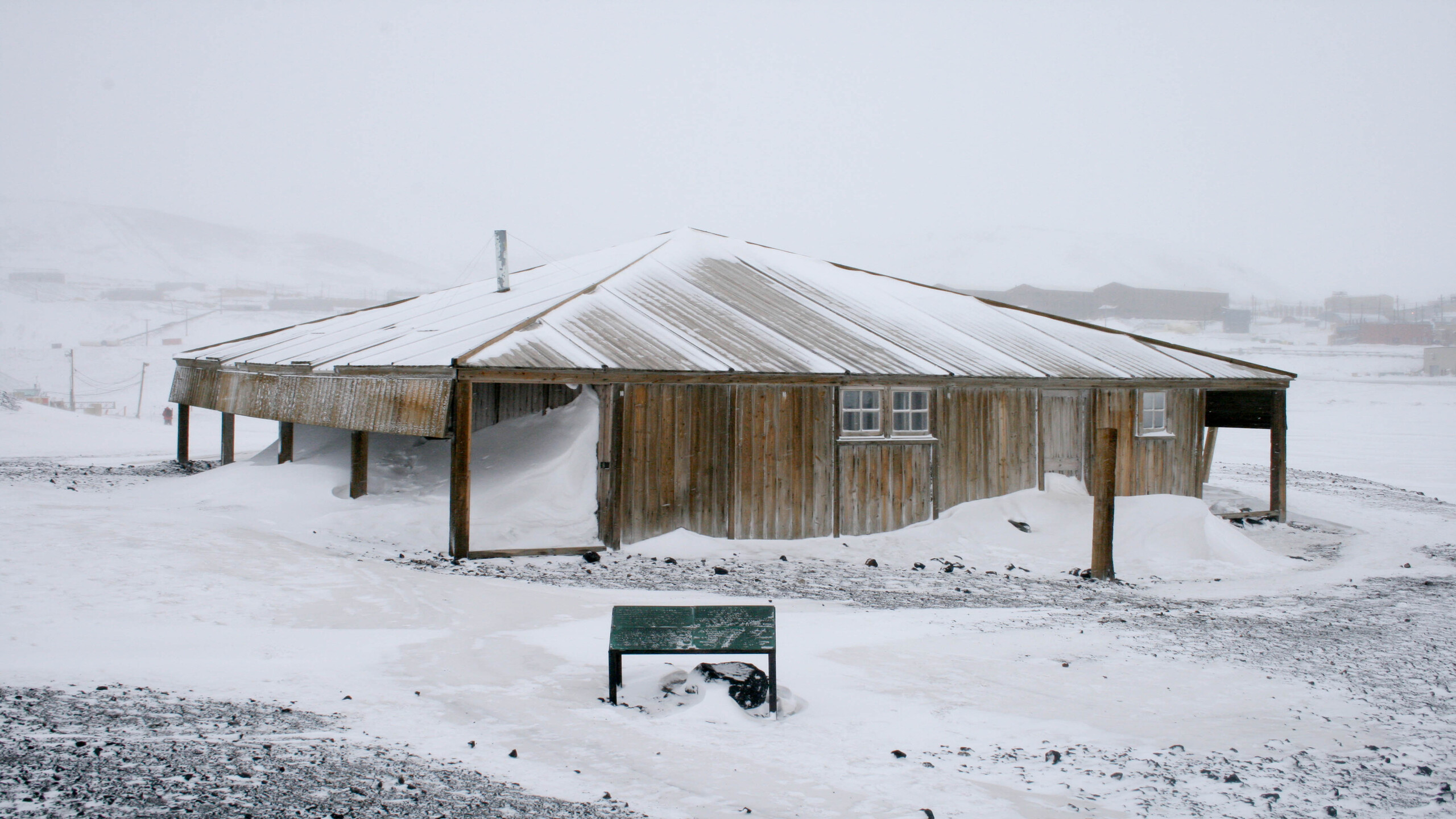
Antarctica is unique in that it has no indigenous population, so the continent’s oldest building is quite new in comparison to other areas of the world. Built by British National Antarctic Expedition leader Robert Falcon Scott and his team in 1902, Discovery Hut was a prefabricated wooden building sent over from England in an Australian outback style with a large veranda.
This building did not keep heat very well. It still stands on Ross Island today in an amazingly preserved state due to the freezing temperatures. Supplies, crates, and even seal blubber from the earliest period of Antarctic exploration are still inside.
The following sources were consulted in the preparation of this article: