
Who hasn’t heard the stories of Robin Hood? To most people, he is the brave outlaw who lived in a forest, looted the rich, and gave to the poor. He has been celebrated in song, prose, plays, and movies for centuries. And each retelling makes him larger and more heroic than life.
But behind all of the arrows, the forest, and the heroic tales of a man against all odds, there remains a question that most people continue to ask: was Robin Hood real? A true person who became the stuff of legend or a folk hero that only ever existed in stories?
Where Did Robin Hood’s Story Begin?
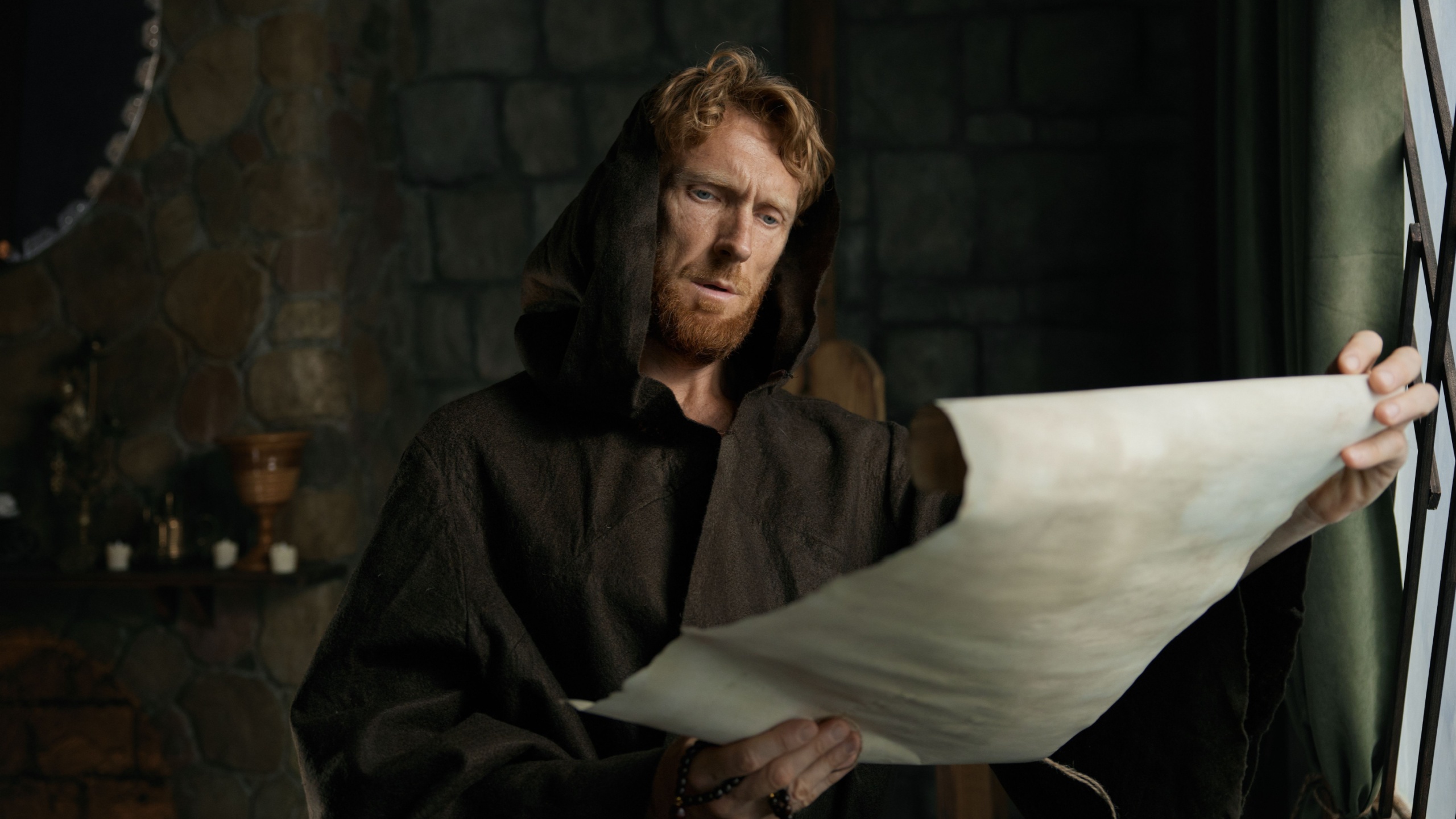
The earliest written mention of Robin Hood is from popular literature; an alliterative poem from the 1370s called Piers Plowman that refers to “rhymes of Robin Hood”.
This passing reference tells us an important piece of information about Robin Hood: by the end of the 14th century, people were already well-acquainted with stories and songs about Robin Hood, well enough that authors could casually mention these rhymes without any introduction or explanation.
The earliest surviving written Robin Hood story is from the 15th century and is called Robin Hood and the Monk. The general story and many smaller details in the legend were also already established. Robin Hood and his Merry Men were living in the area around Nottingham and were frequently at odds with the local Sheriff. A work called A Gest of Robyn Hode, likely from around 1500, brings together various shorter tales in an attempt to make one single, coherent narrative.
Life in Medieval England
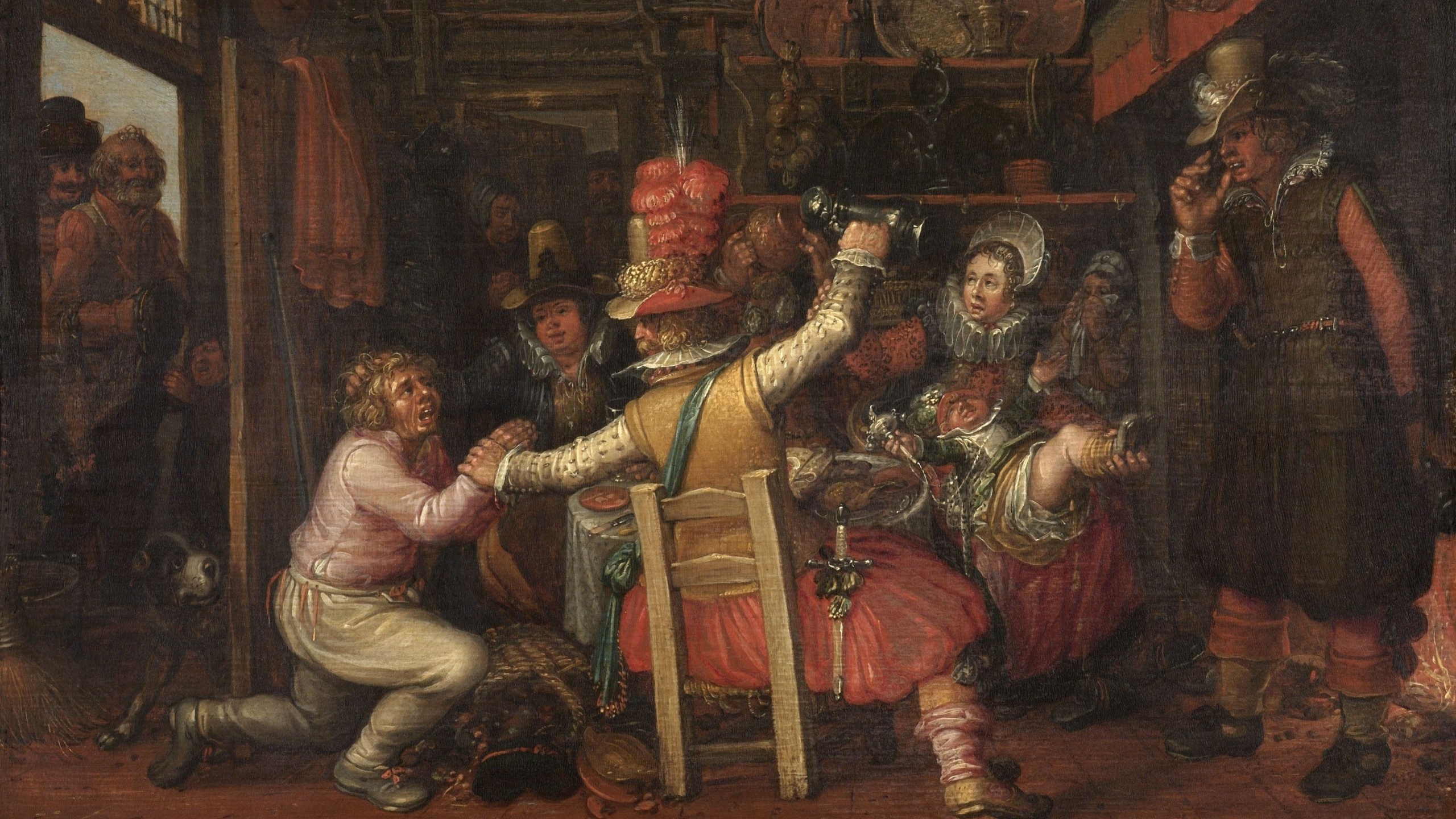
In order to understand why the Robin Hood stories became so popular, it is important to understand the times. Life in medieval England could be extremely difficult for common people. Forests, hunting, and the use of land were heavily regulated by law, and the law often favored the powerful and punished the powerless.
Average people living in the medieval period felt deep resentment toward corrupt local officials, church figures, and oppressive law enforcement officers. Stories about sly outlaws who defied authority and thumb their nose at the law were cathartic and exciting. Robin Hood became a champion of this sentiment, whether or not he was based on a real person.
Was Robin Hood a Real Person?

The question of whether Robin Hood was a real person is one that has been asked by historians for centuries, and it is likely to continue to be asked. Unfortunately, the answer is not simple, because no unambiguous evidence has ever been found.
Medieval records do mention several men called Robin or Robert Hood. These men were often criminals, outlaws, or sometimes killed in skirmishes with the law. However, those names were not uncommon, and there is no one person in the records who historians can point to with confidence and say, “This is the Robin Hood we know from the ballads.”
Some scholars think that the name Robin Hood was not the name of a single individual but a sort of nickname applied to outlaws in general. If this is true, then over time, stories and ballads about different rebels and bandits have been conflated into the single person we know as Robin Hood.
Sherwood Forest and Outlaw Culture

Sherwood Forest was a real place. In the Middle Ages, it was a large royal forest that was governed by royal laws. Forest law was harsh. Ordinary people were often forbidden from hunting or using forest resources, even when they depended on them to survive.
So Sherwood Forest provided an ideal backdrop for stories about people living free from the constraints of an unfair system. By placing Robin Hood in a real landscape that people knew and recognized, the storytellers of his legend made Robin Hood and his life seem more realistic and believable, even if his adventures were not true.
Changing the Legend: Additions, Omissions, and New Themes

The oldest Robin Hood ballads that we still have date from the second half of the 15th century. It is clear from these works that the Robin Hood legend was already fixed in many ways by this point.
Robin is a skilled archer, deeply pious in his faith in the Virgin Mary, respectful and protective of women, and a bitter enemy of the Sheriff of Nottingham. His companions of Little John, Much the Miller’s Son, and Will Scarlet, are also firmly in place.
Famous figures like Maid Marian and Friar Tuck do not appear in these ballads, although the latter character may first have been added toward the end of the 15th century in plays.
The Robin Hood of the early ballads is also a more brutal character than most of us expect. He is more hot-tempered and prone to violence. In one ballad, he savagely attacks Little John after losing an archery contest. In another, his followers murder without any significant pause. This Robin Hood is not a mild hero, but a hard survivor of a harsh world.
Giving to the Poor: Fact or Later Invention?

The biggest surprise for many people about the earliest Robin Hood ballads is that he does not seem to clearly “steal from the rich to give to the poor.” None of the ballads or stories written before the 16th century says this.
In fact, in the earliest works, we only see Robin Hood show small acts of kindness or charity. A Gest of Robyn Hode has Robin loaning money to a poor knight and then refusing to take it back. Robin says that he will give money to a traveler later in the story, if the traveler turns out to be poor.
The moral message of the redistribution of wealth developed later, as the legend was reshaped to reflect later audiences’ ideas of justice.
Robin Hood as a Commoner vs. Robin Hood as a Nobleman
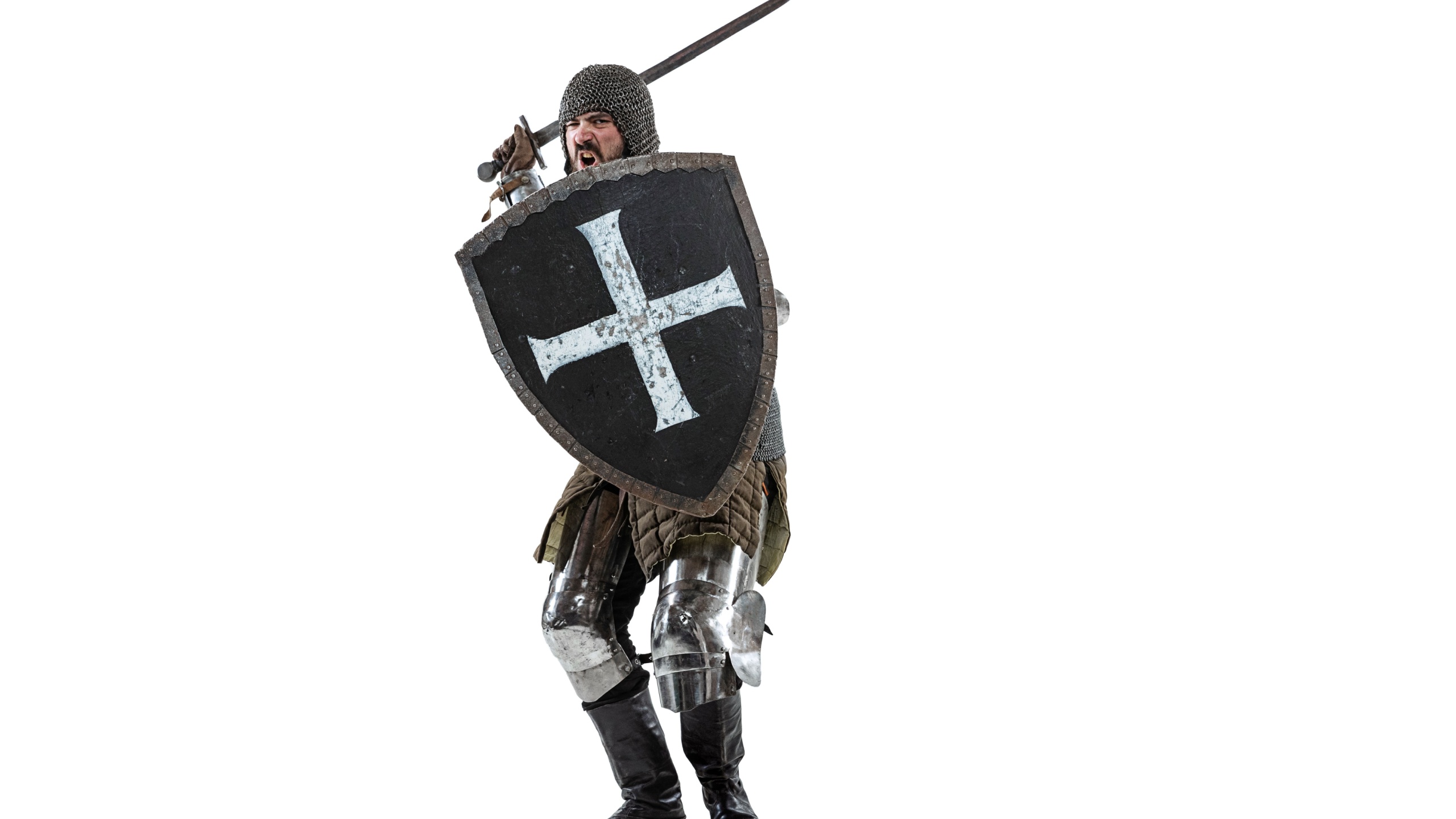
In the earliest ballads, Robin Hood was described as a yeoman. This made him a commoner and not a noble knight but also a free man and not a poor peasant. From the 16th century onward, however, Robin Hood’s status would be increased by chroniclers and playwrights.
Robin Hood became a nobleman, eventually even the Earl of Huntingdon. This later version of Robin Hood became very popular, and it is this image that still dominates modern popular portrayals, even though it is poorly supported by the earliest evidence.
Why Robin Hood Still Matters
Robin Hood has survived for so long because the story was malleable and could be reworked to fit the needs of different audiences in different historical contexts. In medieval times, villagers saw a crafty outlaw who could defy the local authorities.
In the centuries after, the story was retold as an act of loyalty to a rightful king. To modern viewers, Robin Hood is often seen as a man who fought for social justice. Each generation found something useful and meaningful in his story.
The following sources were consulted in the preparation of this article:

