
For many of us, September marks the start of the school year, the beginning of autumn, and is the ninth month on the modern calendar. But did you know the name September has ancient roots that don’t quite match up with our current calendar?
September comes from the Latin word septem, which means “seven.” Wait, what? If September is the ninth month in the modern calendar, why does its name mean seven? And how did this naming system even come about in the first place? Let’s take a look back at how the months were counted, and why September didn’t always start the way it does today.
A Very Different Roman Calendar
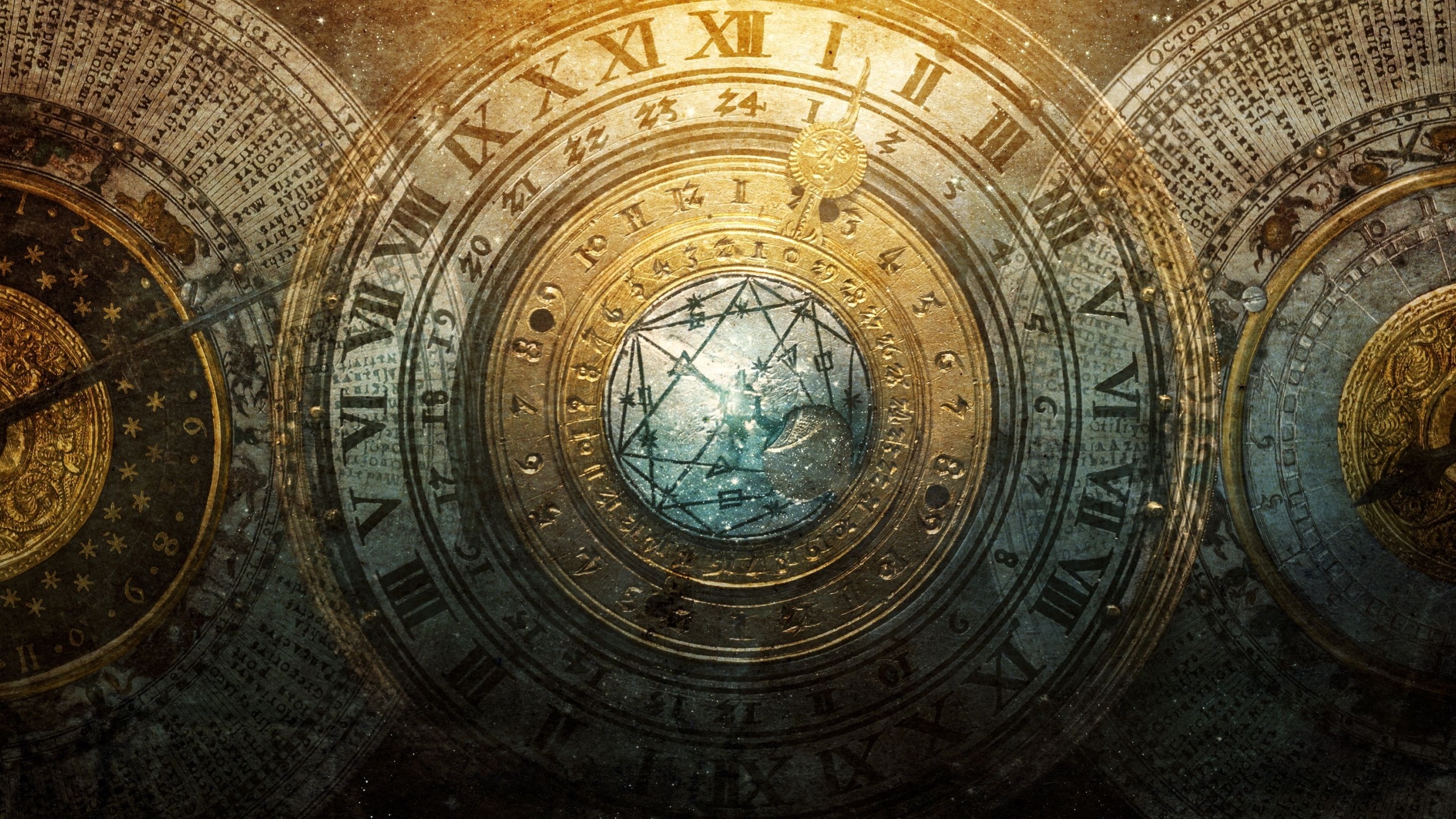
The earliest Roman calendar did not start in January, but in March. In addition, it had only ten months, not twelve. Month names were based in part on their position in the year, with Martius or March as the first month, Aprilis and Maius (April and May) as the second and third, followed later by Quintilis (July), Sextilis (August), September, October, November and December. In that ten-month calendar, September literally was the seventh month (Septem is the Latin word for seven).
This early calendar was based loosely on lunar cycles and the seasons, and it didn’t cover the winter properly. Some days in winter were not assigned to any month at all. Later, the Roman king Numa Pompilius is said to have added January and February to make a twelve-month year that was closer to the cycle of the sun and seasons.
Even so, the names of the months from September to December stayed the same, even though they no longer matched their numerical order.
Why the Name Didn’t Change
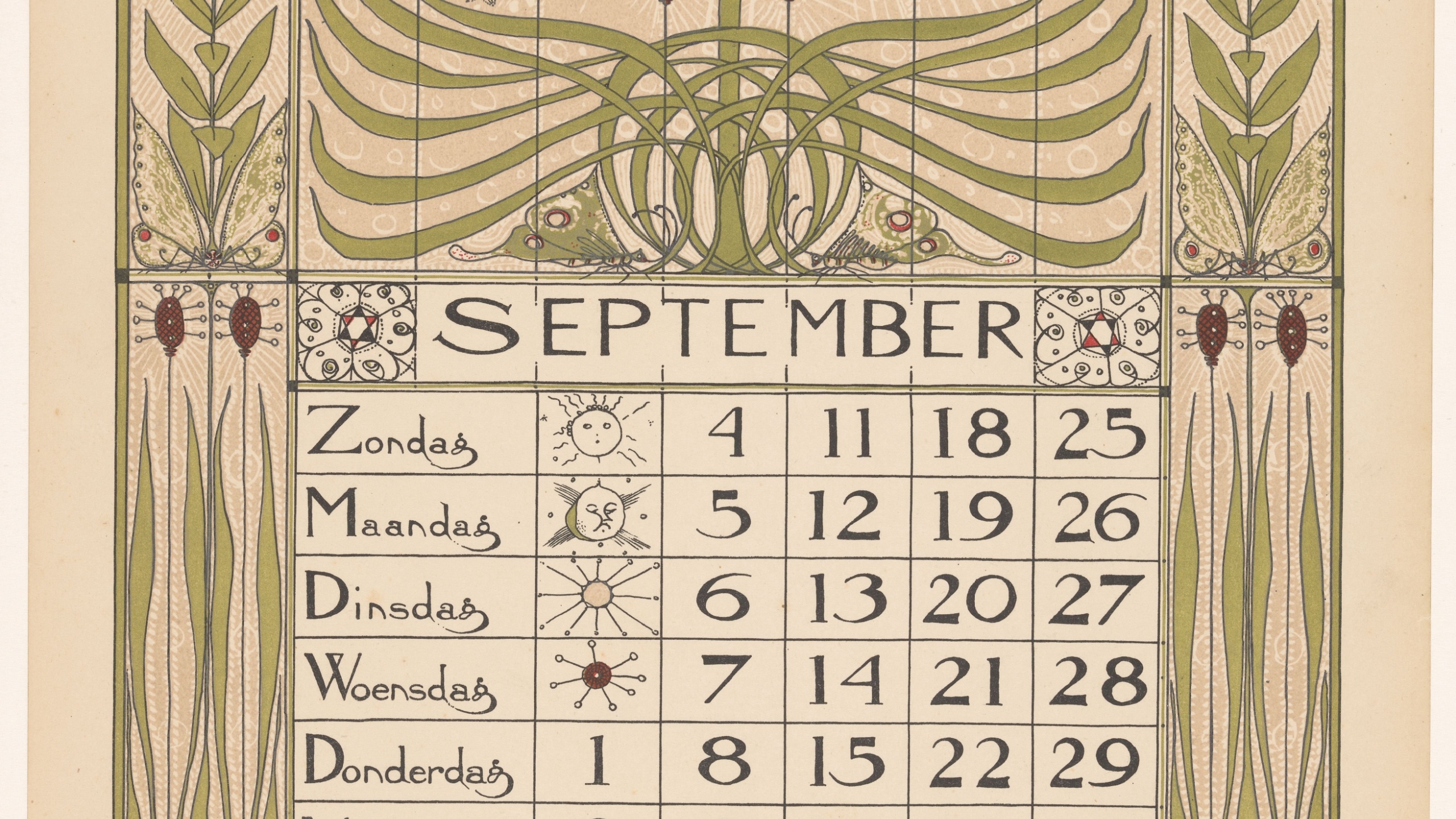
Even after January and February were added to the start of the year, the counting of the months by Latin names did not change to accommodate the new order. Thus, September remained as the seventh-month name even though it was now the ninth month of the calendar year.
The names Septem (seven), Octo (eight), Novem (nine) and Decem (ten) continued to be used for what were now the ninth, tenth, eleventh and twelfth months.
When leap years were eventually introduced, an extra day was added at the end of February, further confusing any numbering system.
How the Calendar Evolved

Later reforms to the Roman calendar, such as the Julian calendar in 45 BCE and the Gregorian calendar in 1582, further adjusted the year and length of each month to ensure seasonal events like equinoxes and solstices stayed in the same places from year to year.
September itself gained a day in its length at some point in between. During the middle of the year, the numerically-based months would eventually become October, November, and December. However, throughout the year and despite reforms to the calendar system, the name September remained the same, and eventually carried over into the modern Gregorian calendar as well.
The following sources were consulted in the preparation of this article: