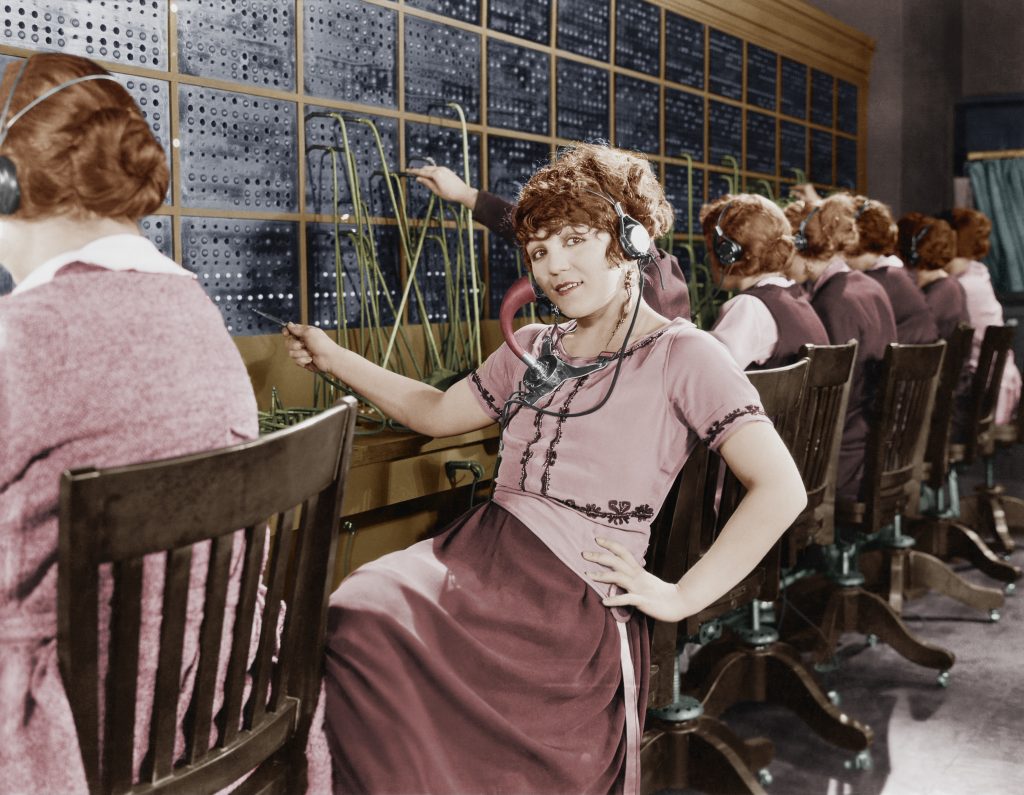
The 1950s were filled with jobs that have completely disappeared as technology and society changed.
Elevator operator
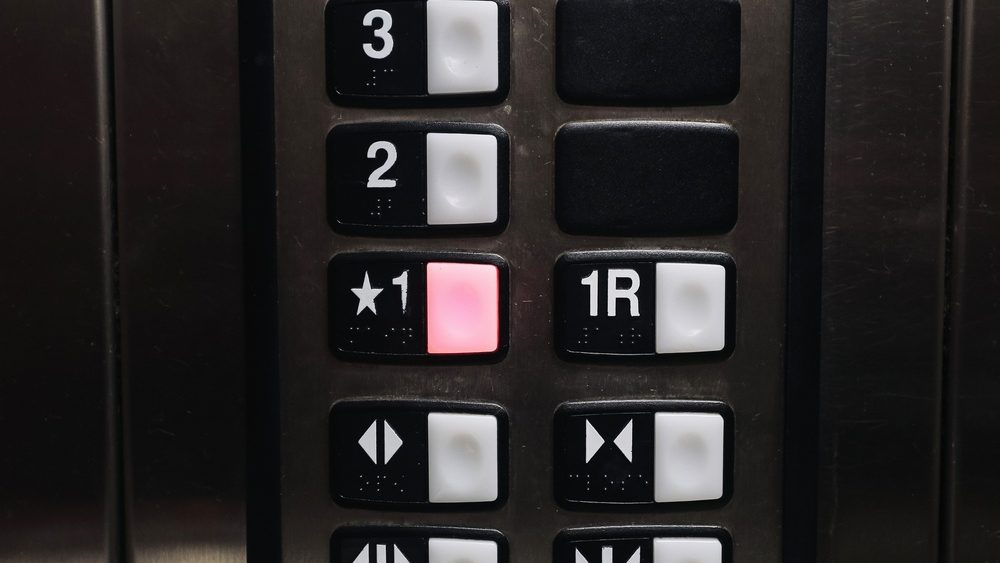
Before elevators became fully automated, in department stores, hotels, and office skyscrapers, there was always a human operator working an elevator.
Operators manually controlled heavy lever controls in order to level the elevator car precisely with each floor, opened and closed inner metal grates, and announced department names or floor numbers.
Switchboard operator
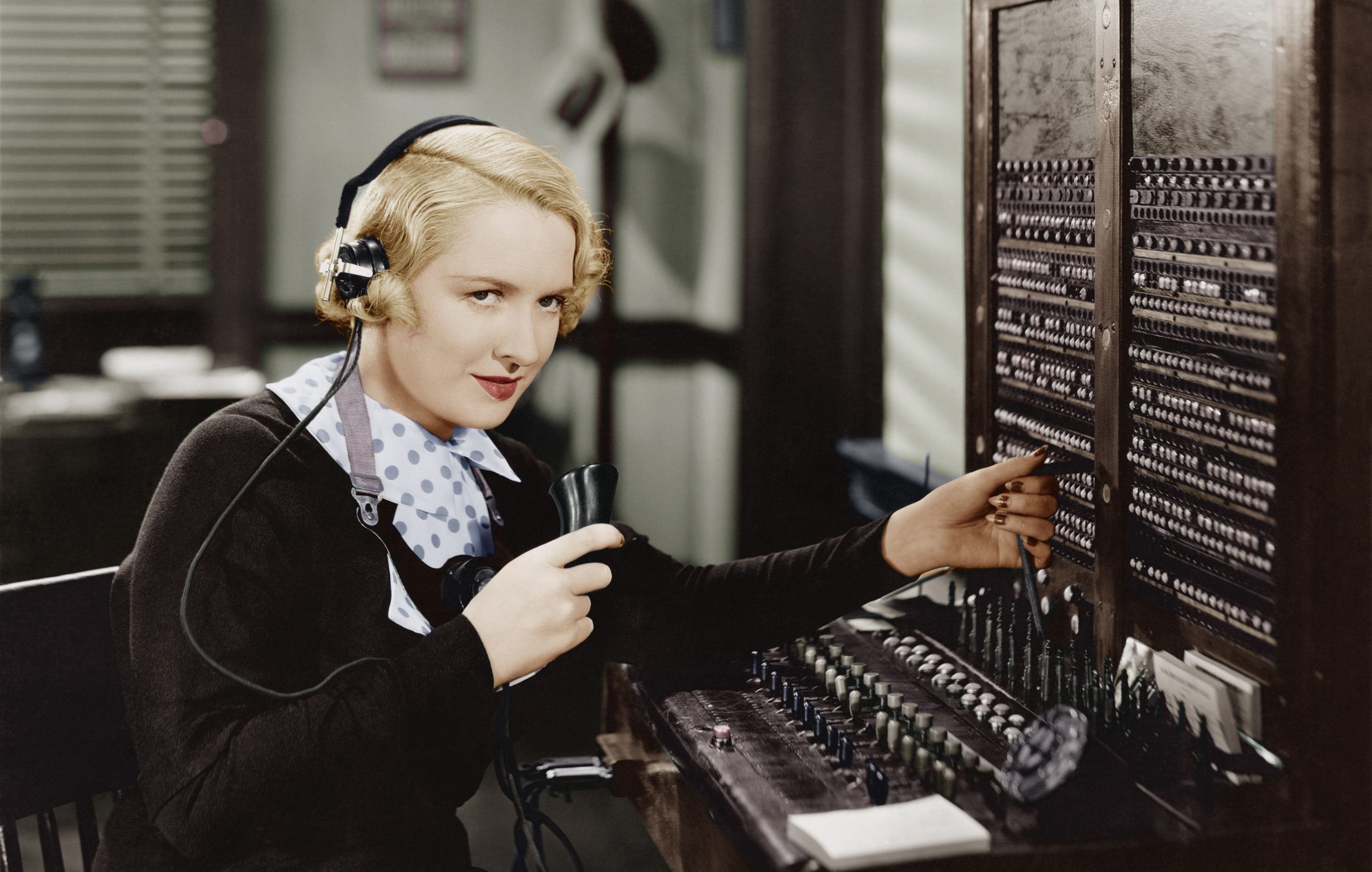
Even as automatic switching was in its infancy, operators working at large physical switchboards were still handling the majority of telephone calls during the 1950s. They connected calls locally, long-distance, or between households by plugging cords into jacks. The role has since been nearly completely eliminated by automation and digital telephone networks.
Milkman

Because home refrigerators were inefficient and most foods had short shelf lives back in the 1950s, milk, cream, and butter were delivered daily or twice-weekly in fresh glass bottles to your doorstep or milk box. Refrigerators in every kitchen and suburban supermarkets eventually replaced this occupation.
Ice Cutter
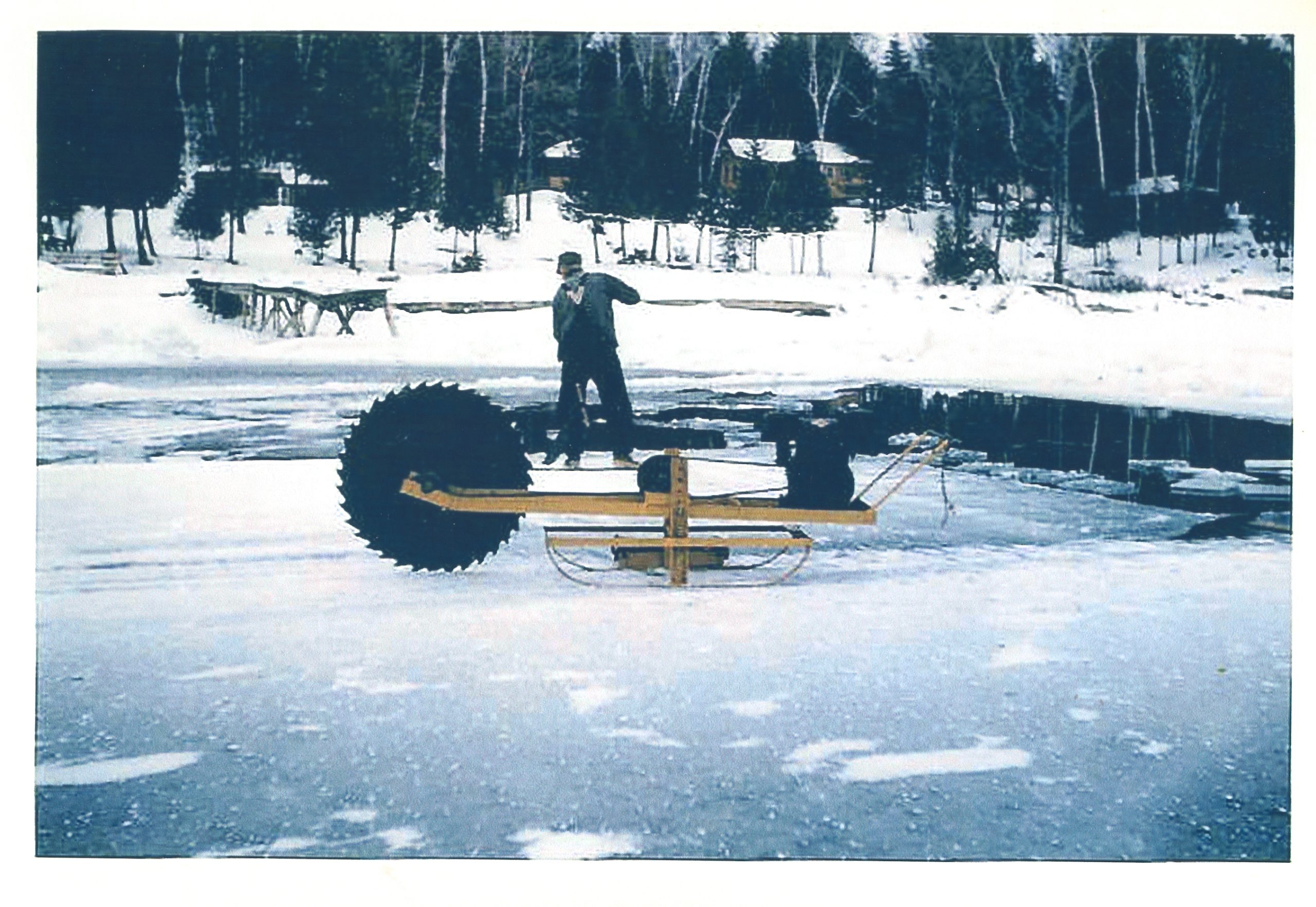
By the 1950s, harvesting natural ice had become rare, but there were still labourers cutting large blocks of ice from frozen lakes in winter. It was stored and eventually sold for people to keep food and drinks cool. Sales of electric refrigerators and freezers led to this job disappearing in the decades following.
Pinsetter
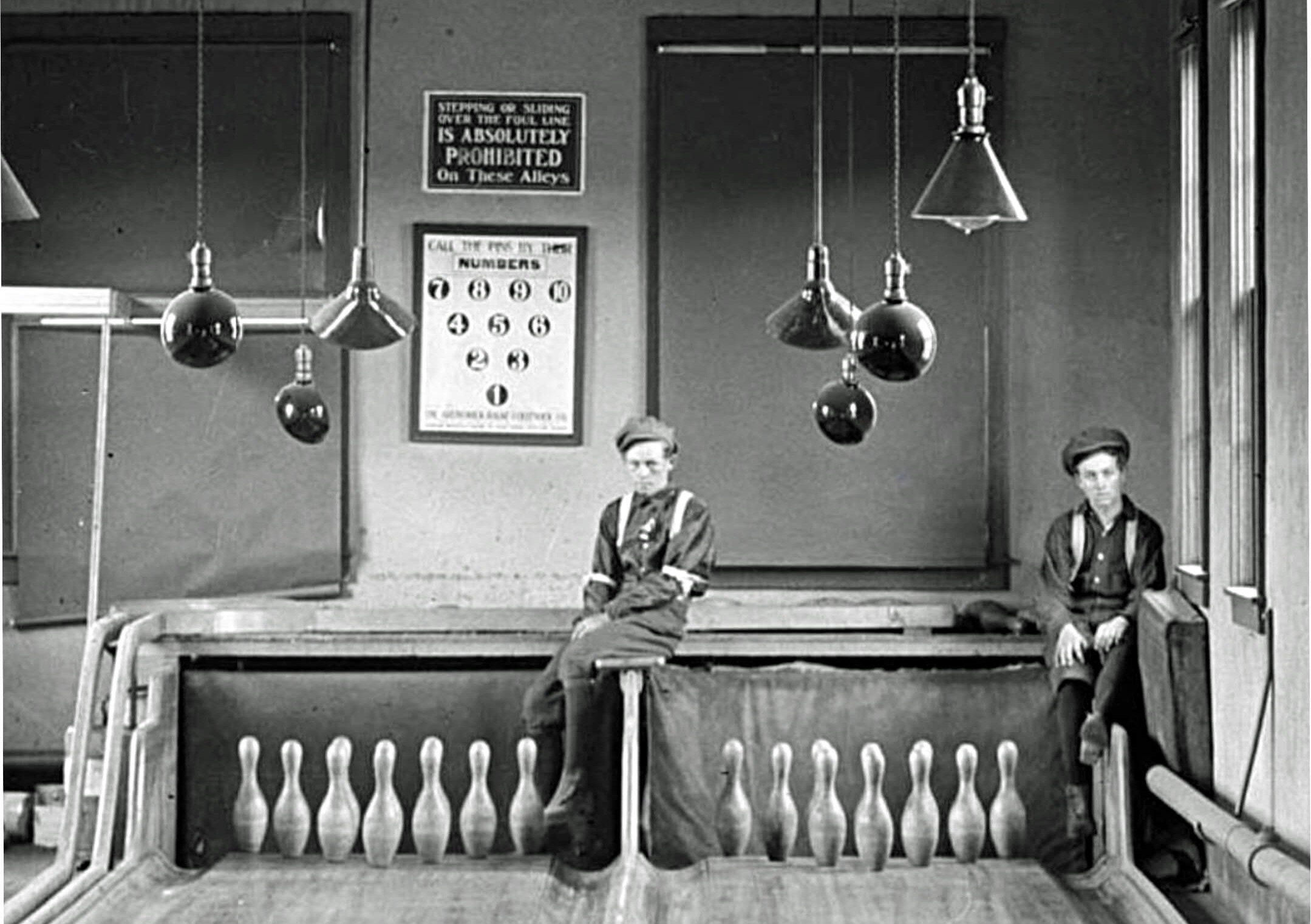
Before automatic pin-setters were standard in bowling alleys, people (usually teenagers) stood behind bowling lanes manually resetting pins after each ball and returning bowling balls to bowlers. Automation took away one of bowling’s most strenuous jobs.
Gas station attendant
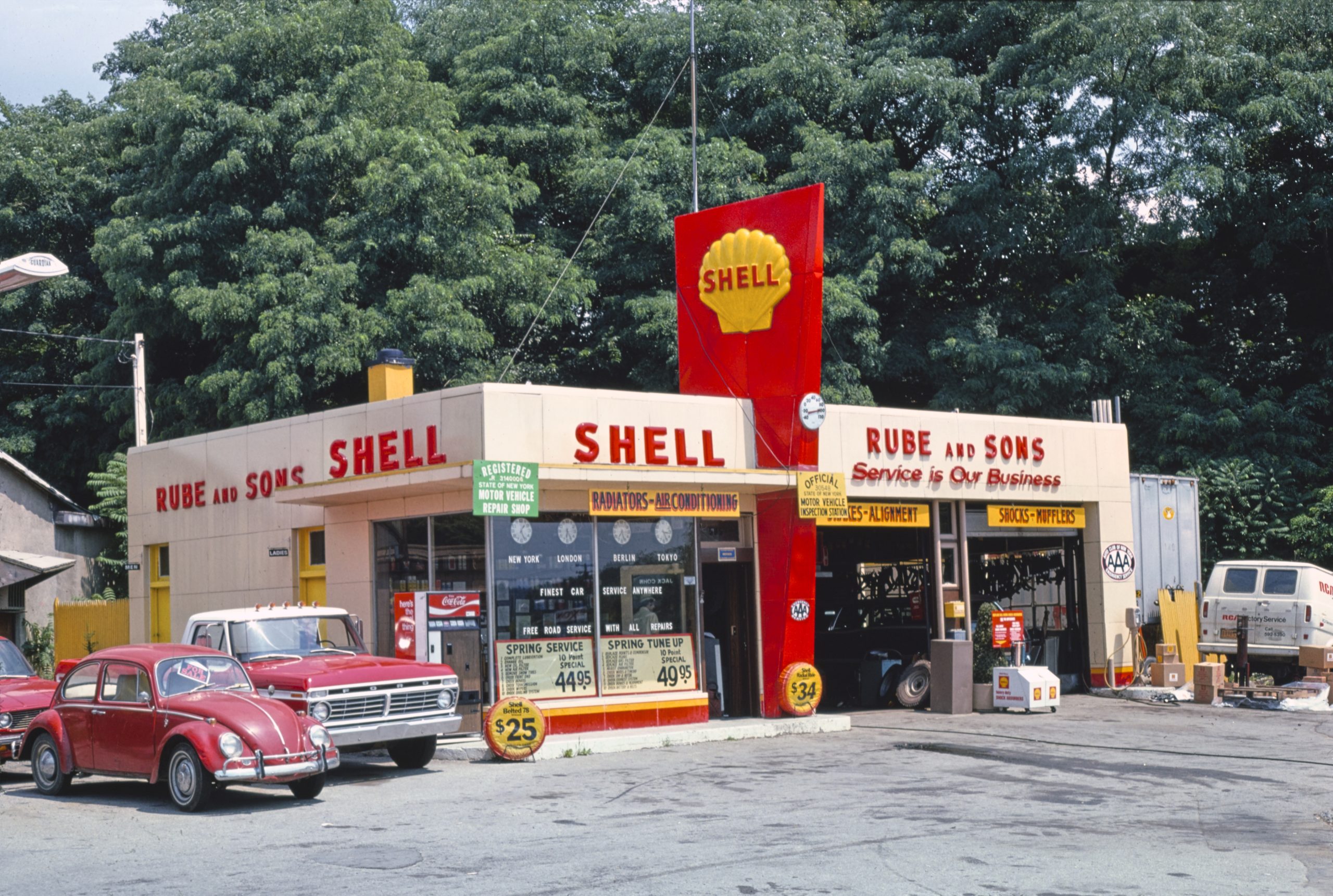
Service station attendants pumped gas, wiped windshields, and checked tire pressure (and sometimes even oil) at every vehicle that pulled in during the 1950s. There are still some full-service gas stations around, but automatic pumps have replaced attendants for the most part.
Telegraph operator
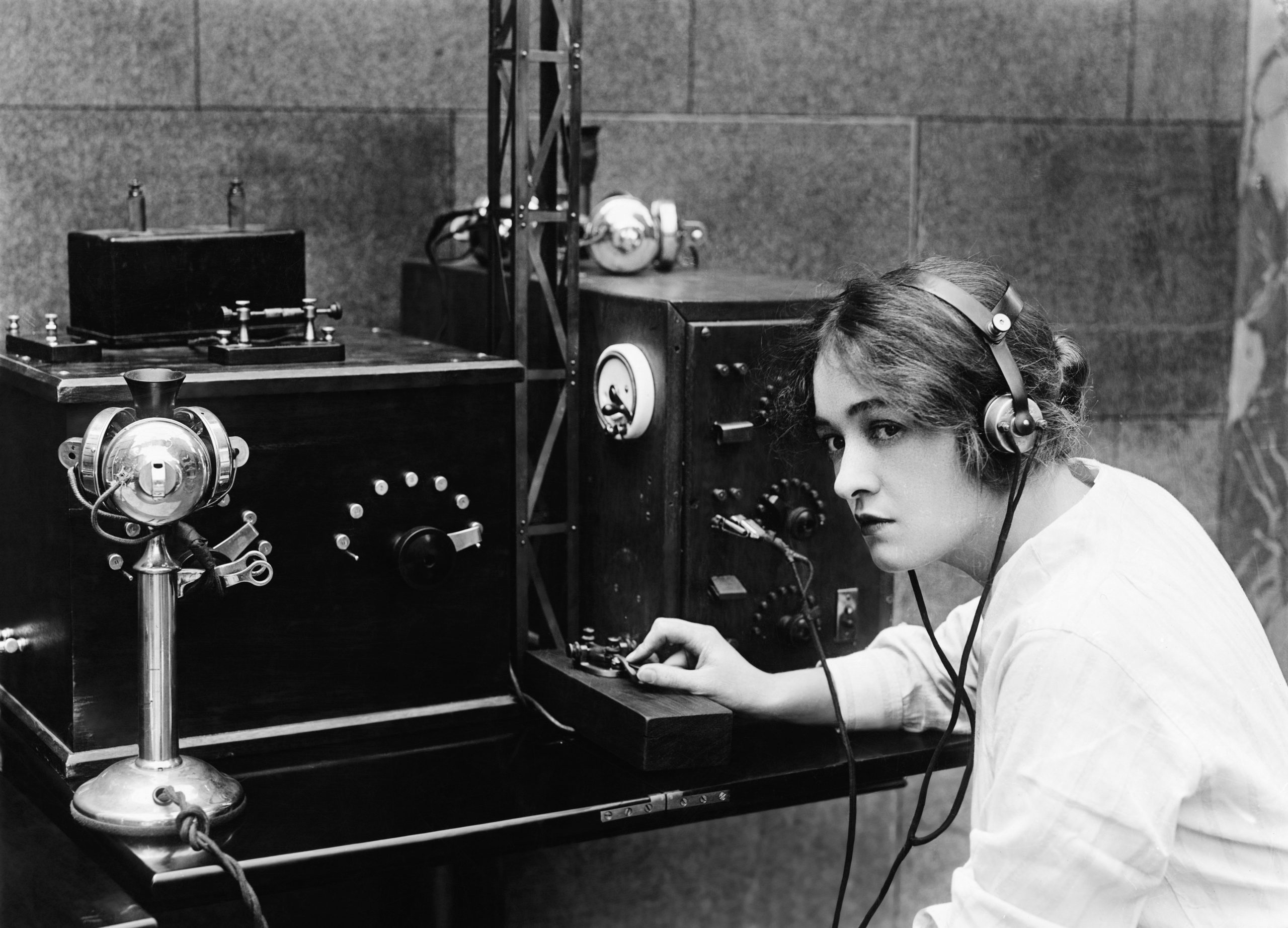
Businesses, railroads, newspapers and government offices relied on skilled telegraph operators to transmit and receive Morse code messages. When telephones, fax machines, computers and the internet replaced the telegraph, the need for skilled workers vanished.
Linotype operator
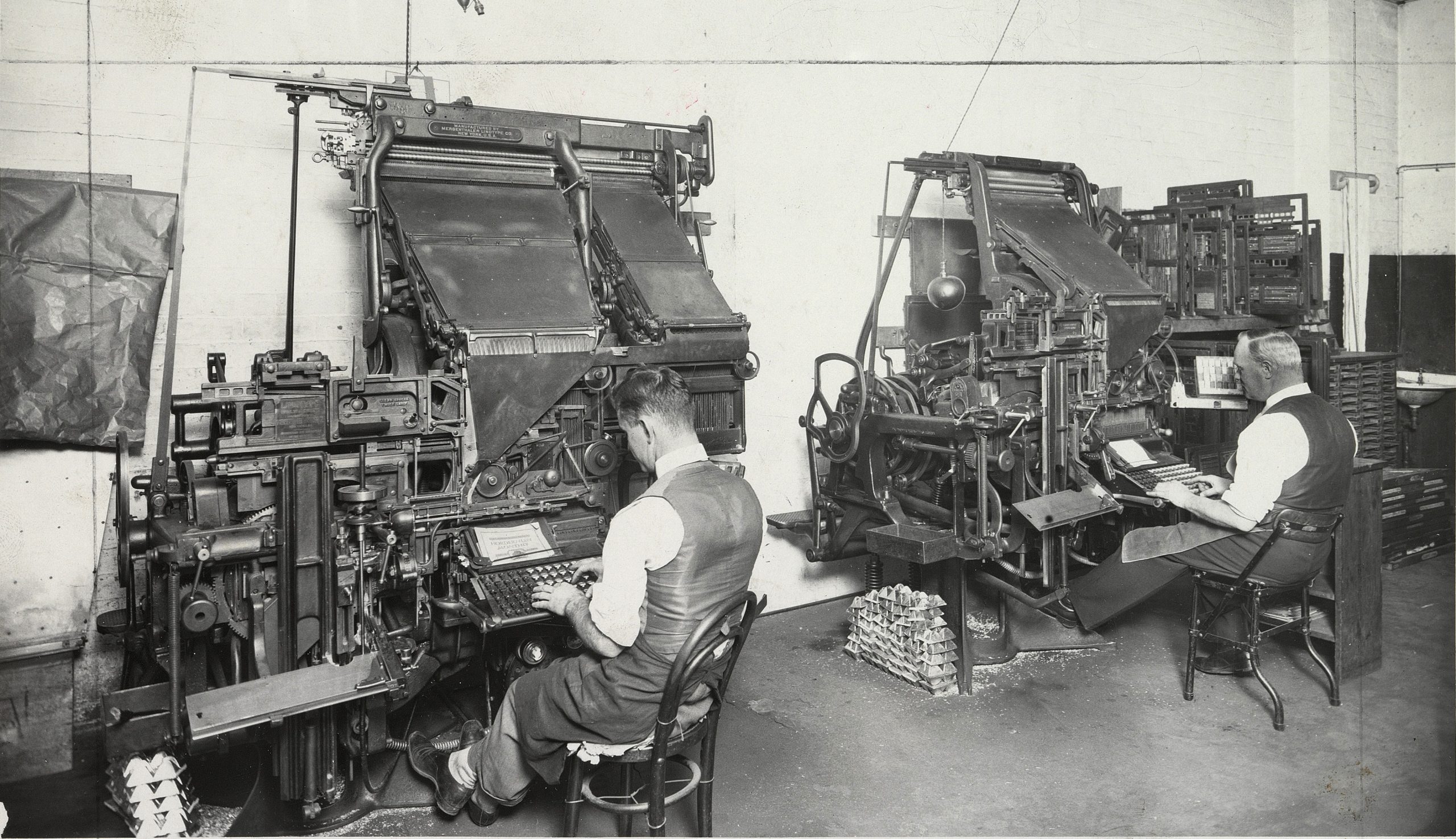
Newspapers were previously printed on large Linotype machines that cast whole lines of metal type. Competent operators had to learn how to operate complex machines to prepare material for newspaper and book printing. Desktop publishing and computer typesetting have replaced the trade.
Movie projectionist

Projectionists were needed in movie theaters of the past to load, watch, and change giant reels of film while the movie played. Digital cinema systems today require very little human interaction, thus there are drastically fewer projectionists needed per theater.
Human computer

Before the widespread availability of electronic computers, it was common practice for businesses, research labs, and government agencies to employ individuals to do mathematical computations manually (or with mechanical calculating devices). These employees were referred to as computers. With the fast evolution of electronic computers in the second half of the 20th century, this job largely vanished.
Sources: Please see here for a complete listing of all sources that were consulted in the preparation of this article.