
Ancient Greek doctors were among the first to logically and systematically study human anatomy and health. They observed patients, recorded symptoms, and attempted to logically explain illness, disease, and death without resorting to mythology or magic.
For their time, their understanding of the human body was revolutionary. Yet, much of what these medical practitioners believed sounds bizarre or just plain wrong by today’s standards.
Healing by “balancing” the four humours

Ancient Greeks believed the human body had four different “humours” or fluids: blood, phlegm, yellow bile, and black bile. So if you became ill, doctors assumed one of the fluids was in excess or lacking.
To treat diseases, physicians tried to balance these fluids by bringing them back to normal. However, we now know diseases are caused by infections, genetics, lifestyle, and organ problems and not because of four imaginary fluids in the body.
Bloodletting to drain out “excess” blood

Since most illnesses, such as fever, headache, and general weakness, were thought to be due to “too much blood,” ancient Greek doctors often resorted to cutting the skin or using leeches to bleed a patient.
It was a standard cure for almost any disease. We now know bloodletting is very dangerous unless used in rare cases. Fever or infection is not caused by an “excess” of blood.
The “wandering womb” theory for women’s illnesses

Ancient Greeks held that a woman’s womb could move inside her body, choking her, pressing on her chest, or causing emotional distress.
Doctors also thought the womb moved around in response to smells: pleasant, sweet odours would attract it, while foul smells would repel it. So, Greek physicians described the womb as “an animal within another animal.”
We now know the uterus does not wander around the body and that women’s illnesses are caused by hormonal, psychological, or reproductive problems.
Misunderstanding anatomy because human dissection was rare
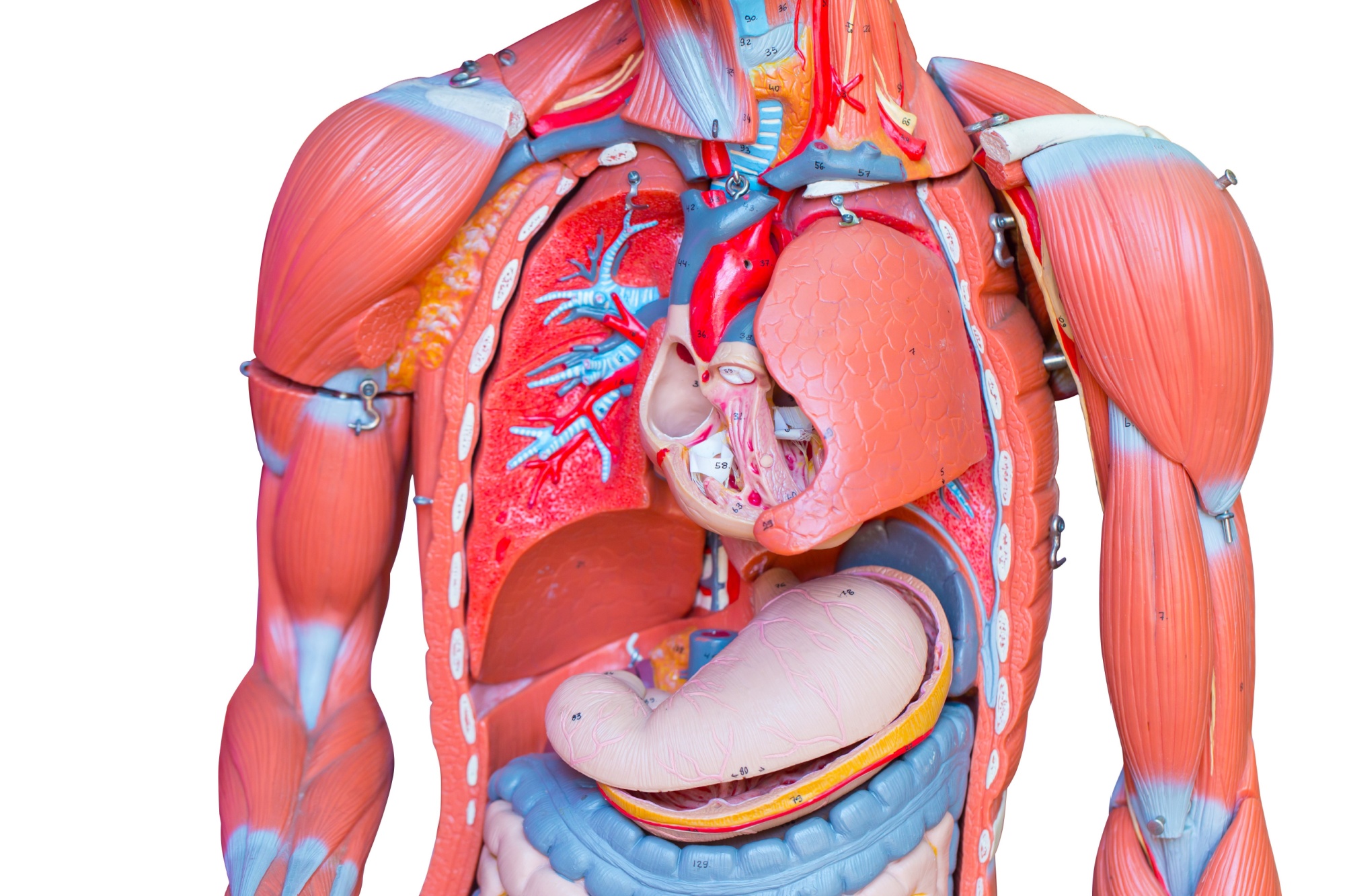
Human dissection was considered disrespectful. And there were no effective anesthetics and antiseptics. So most Greek doctors learned about anatomy from animals or simply guessed.
As a result, many believed arteries carried air, not blood, or that the brain was less important than the heart. These misunderstandings shaped their approach to treatment for centuries to come. Real dissection and imaging has allowed modern medicine to correct these errors.
Women have different flesh than men
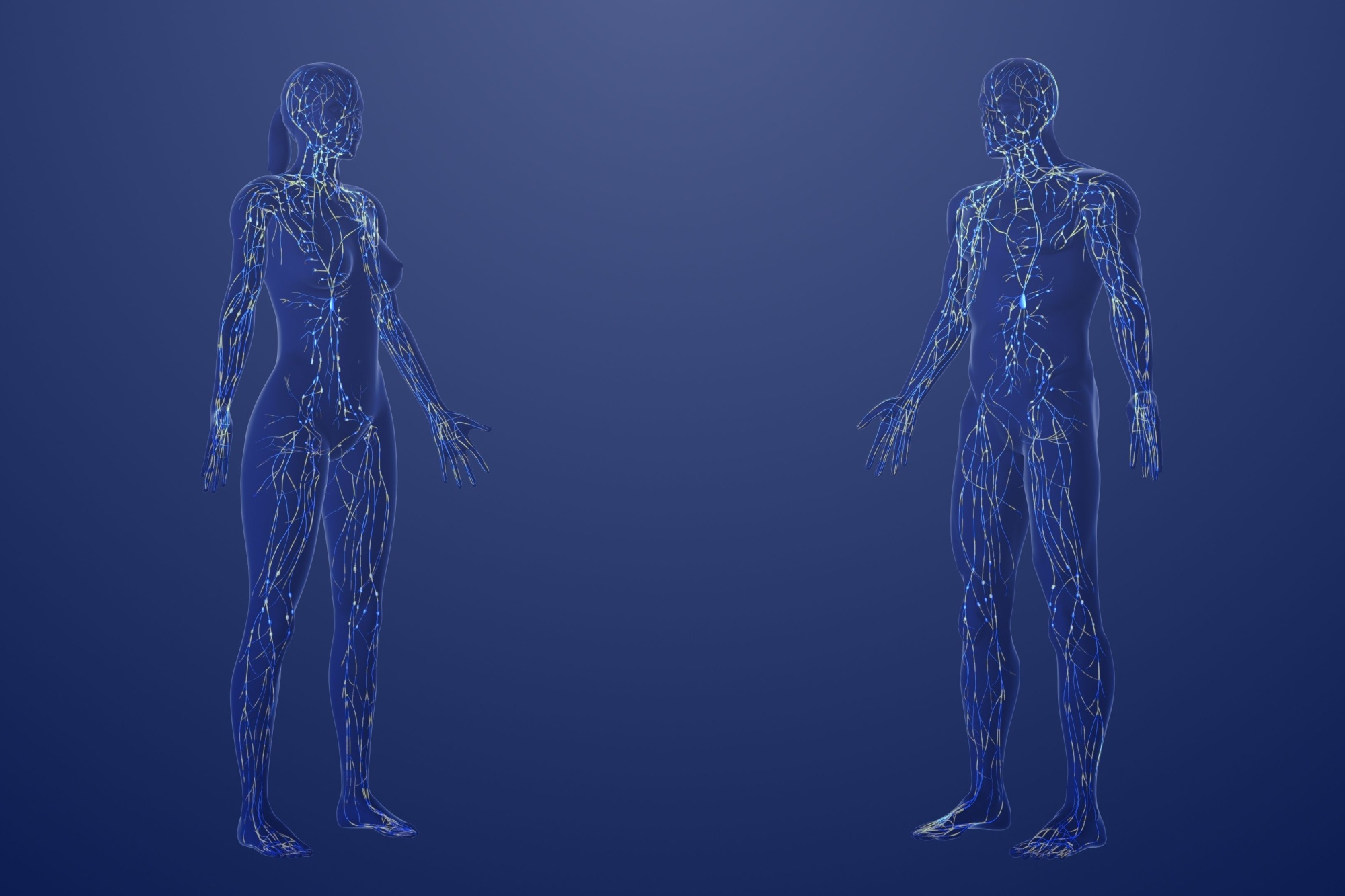
Greek doctors also believed women were made of a different type of “flesh” than men. They described women’s flesh as spongy, loose, and porous and men’s flesh as firm and compact. Because of this, they thought a woman’s body soaked up more moisture and fluids, producing excess blood.
They also believed menstruation was the body’s way of ridding itself of this extra blood, to maintain the balance of the humours. The same logic was applied to explain why women’s breasts were often larger.
The breast was thought to be a kind of gland in all people. However, the looser, more absorbent flesh of women allowed it to soak up more moisture and fluid, which caused women’s breasts to enlarge.
Dreams gave medical information

The ancient Greeks did not believe dreams were merely random thoughts or images flashing through the mind during sleep. They considered them messages sent from the body.
So if someone dreamed about fire or heat, that could indicate an imbalance of heat or fever. Dreams about water or floods meant an excess of the cold or wet humours. Doctors would actually use a patient’s dreams to diagnose and determine treatment for illness.
We now know dreams are caused by brain activity during sleep, and they cannot be used to diagnose medical conditions.
Athletes’ sweat as medicine

Athletes in ancient Greece competed naked, with their entire body covered in olive oil. As the fittest and healthiest members of society, their sweat was thought to have special healing powers.
The sweaty oil (called gloios) was scraped off the athletes’ bodies, bottled, and sold as a pain-relieving ointment. Rubbed on the skin, it was supposed to help with aches. Some even drank it as a syrup because it was thought to improve strength. Today, we know that sweat and dirt are not medically useful.
Relying on philosophical reasoning instead of experiments
Greek medicine heavily relied on philosophy. Doctors would use logical arguments to explain diseases instead of experiments or tests. So they might believe that “hot diseases need cold foods” based on syllogisms instead of using actual evidence.
This led to them using treatments based on theory, not scientific fact. Modern medicine instead uses lab tests, clinical trials, microscopes, imaging, and data, a completely different approach.
The following sources were consulted in the preparation of this article:
12 Unusual Ancient Greek Medical Treatments
Male and Female Bodies According to Ancient Greek Physicians