Food isn’t just something we eat. Every culture has little rules about food: what brings good luck, what invites danger or bad luck, and what keeps evil spirits at bay. Many of these traditions sound silly to modern eyes, but most started with very real beliefs, dangers or customs from the past. Here are some popular food superstitions with the strange (but true!) stories behind them.
Don’t pass knives at the table
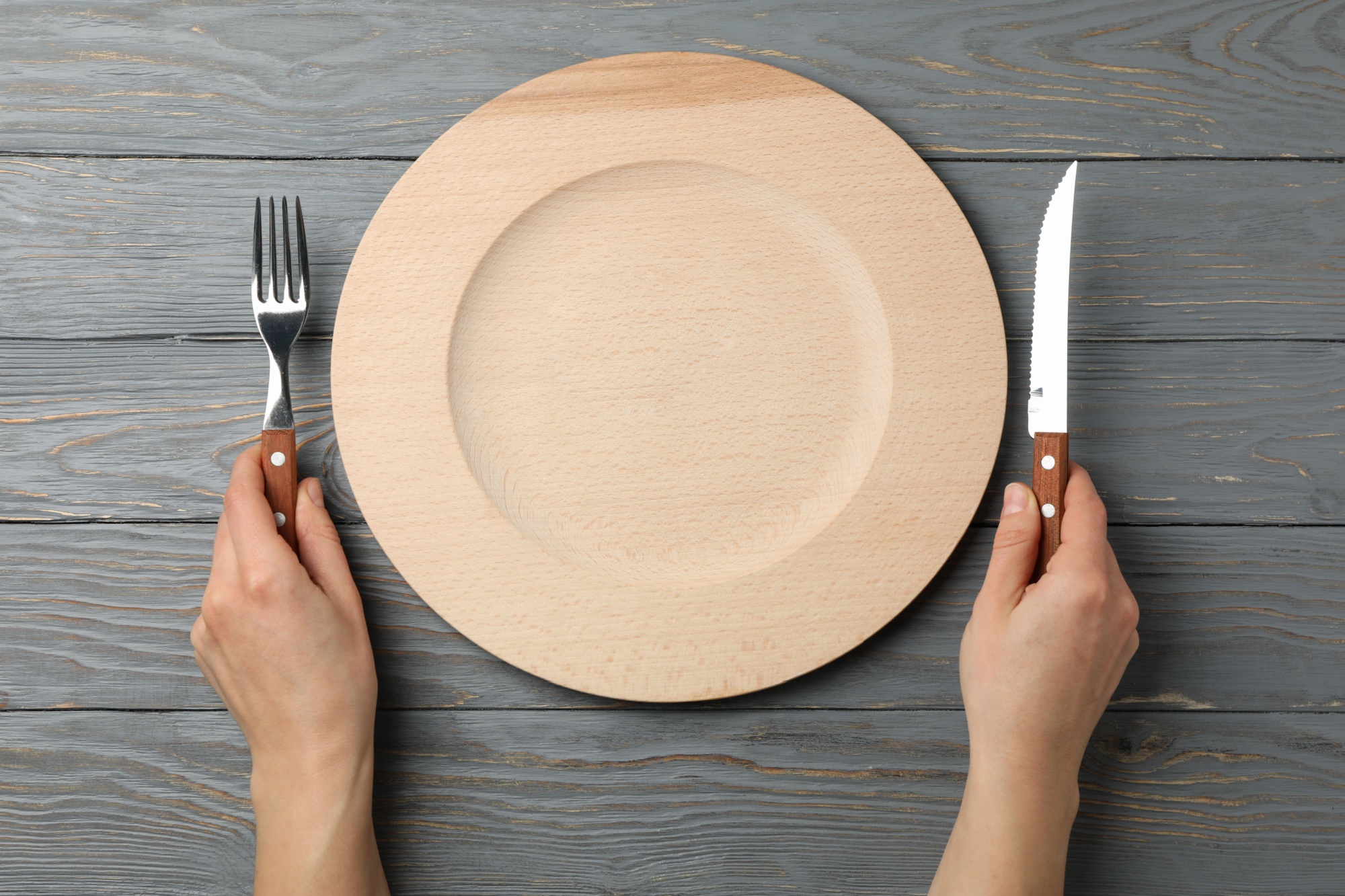
Passing a knife directly was believed to “cut” a relationship. In medieval Europe, sharp objects were associated with danger and betrayal. Passing a knife directly from hand to hand would both symbolically end a friendship and increase the risk of a real injury in the process.
The lucky wishbone
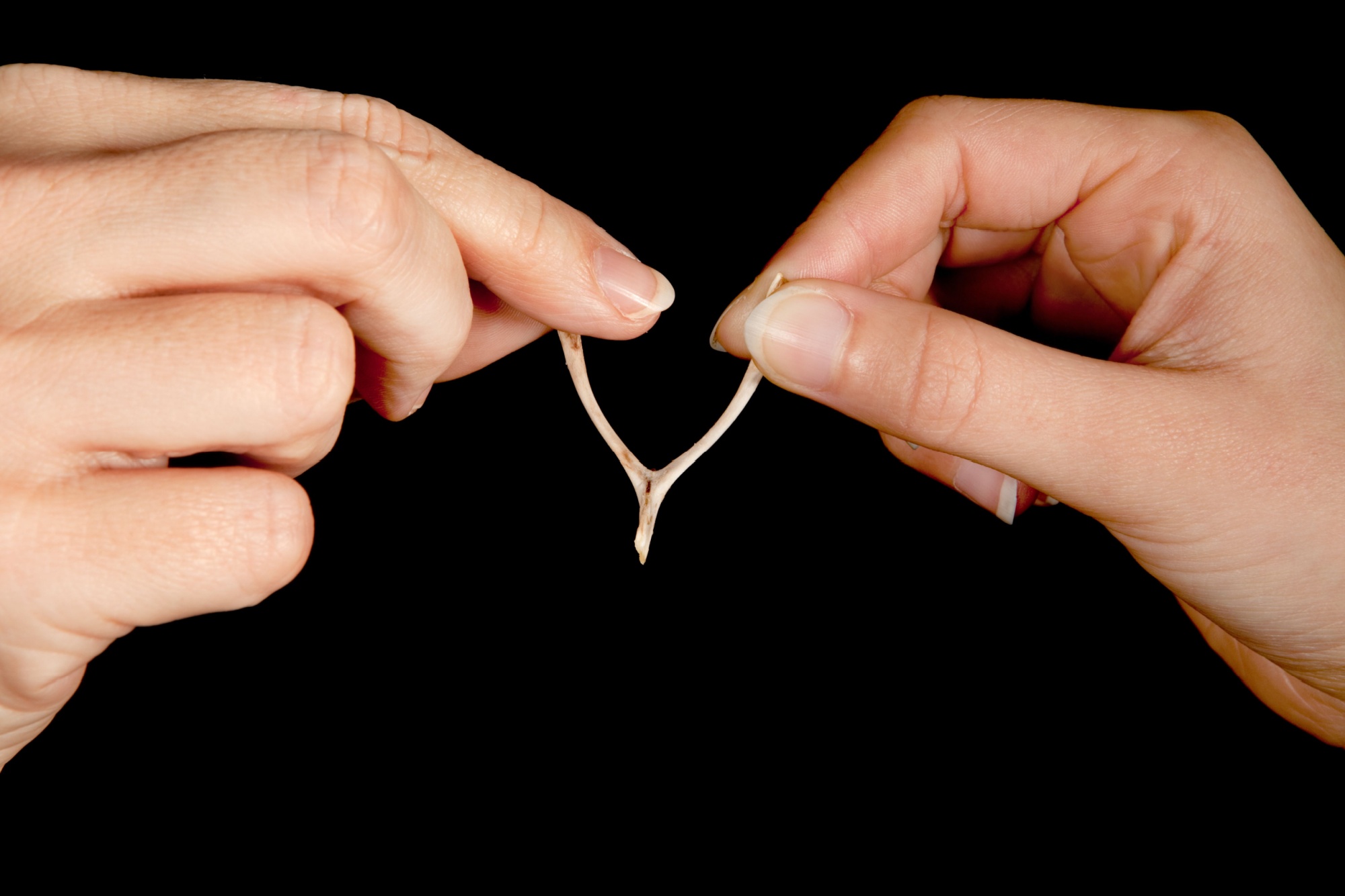
Pulling a turkey or chicken wishbone? Whoever gets the larger piece “wins” a wish. In ancient Rome, birds were thought to carry messages from the gods. People kept their cooked bones as good luck charms. When the practice spread through Europe, the wishbone-pulling tradition became a popular way to “share” that luck.
Knock on wood after praising food luck
When boasting about a full pantry, a bountiful harvest or good fortune with food, people always knocked on wood. Ancient pagans believed that spirits of friends and family lived inside trees. Knocking on it was like saying: “Thanks for the luck. Please don’t take it away.”
Bananas bring bad luck on boats
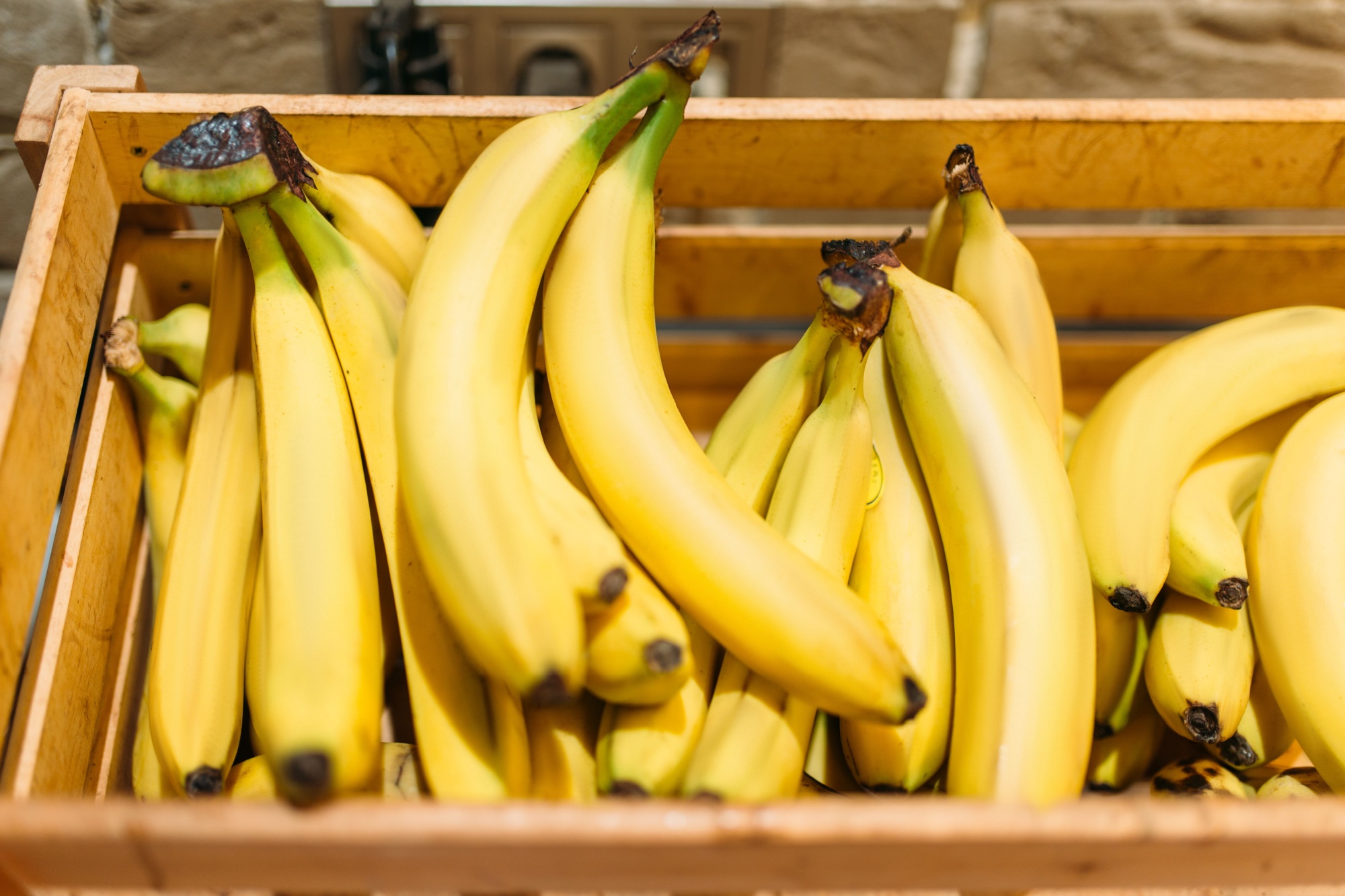
Sailors once thought that bananas were bad luck on boats. This superstition actually had real origins. Bananas can ripen and spoil other food around them during the long sea voyage, creating shortages on board. The gases they release when ripening can also build up in sealed wooden cargo holds, making the air dangerous to breathe. Bananas were also often transported in crates with snakes, spiders and other stowaways hidden inside.
Eating fish for New Year prosperity
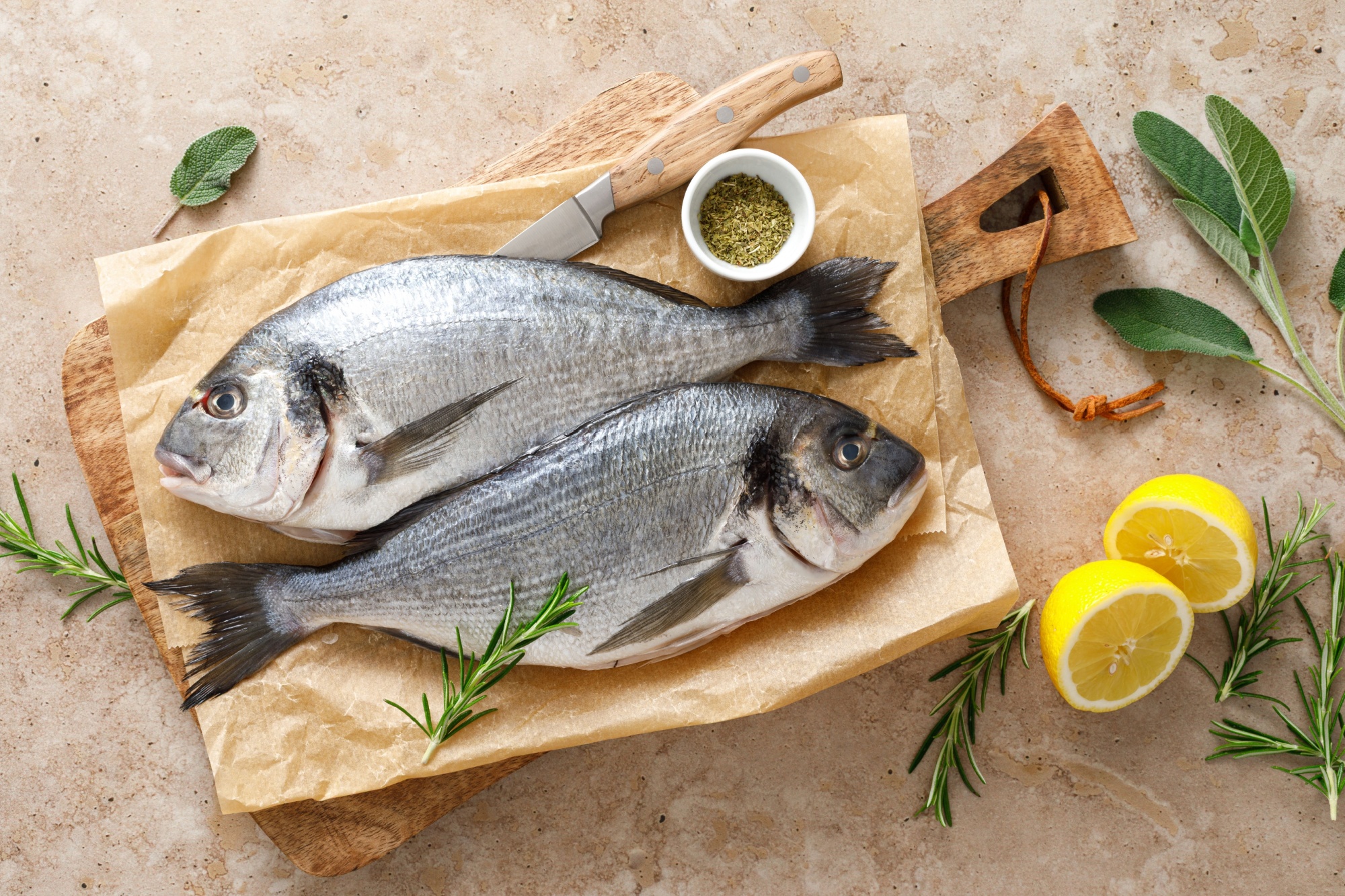
Fish is a required dish for Chinese New Year celebrations for a reason. In Chinese, yú, the word for fish, sounds like the word for “surplus” or “having more than enough.” By serving a whole fish at the end of the year, you are wishing a plentiful year ahead. By chance, fish came to mean blessings and spiritual renewal in medieval Christian Europe.
Eating 12 grapes at midnight meant good luck all year
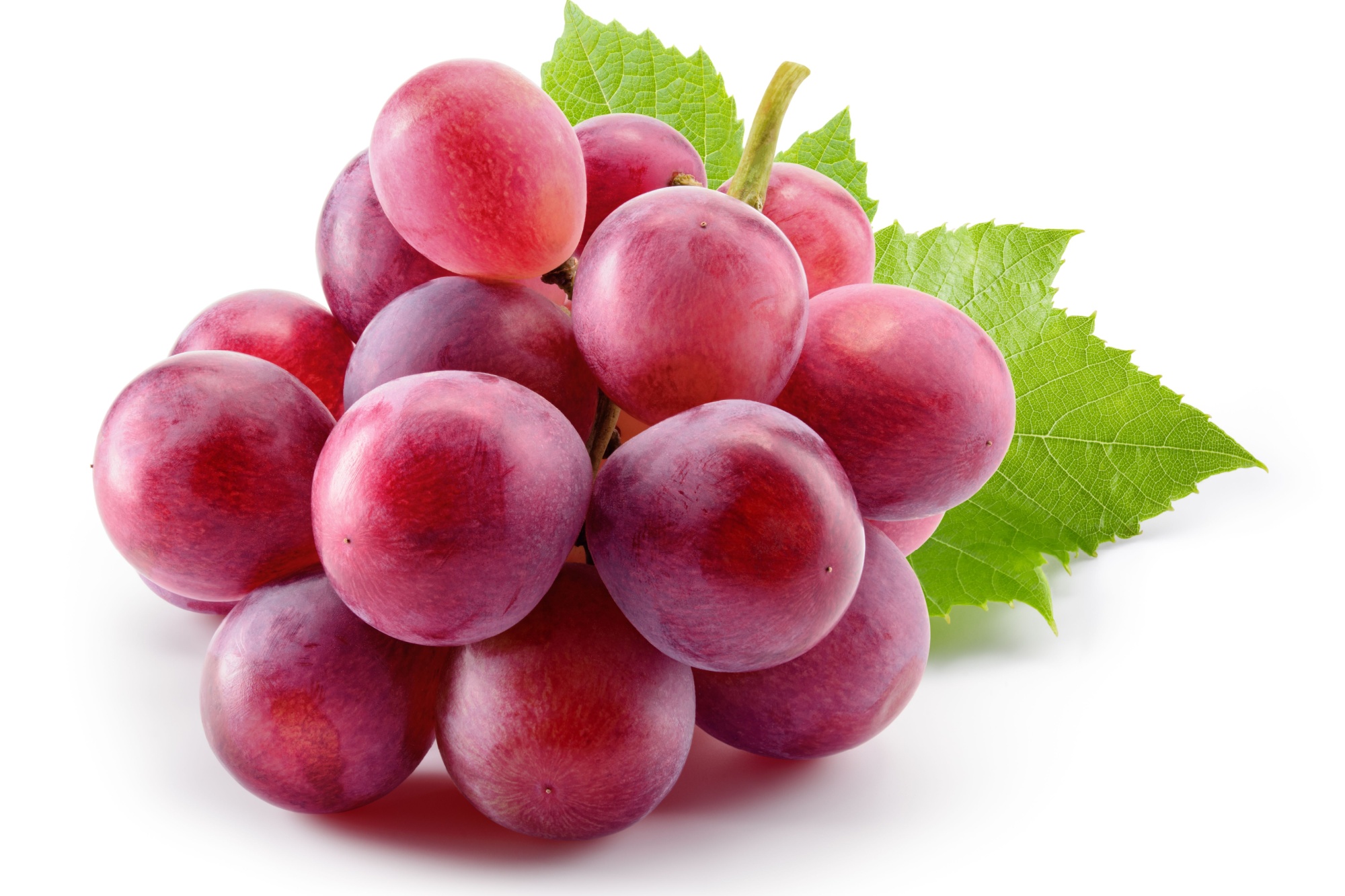
Popular in Spain and Latin American countries, this New Year’s Eve tradition is all about good luck. In 1909, Spanish grape farmers were facing a surplus. They advertised grapes as a “lucky” way to end the old year and begin the new one.
Bread brings misfortune
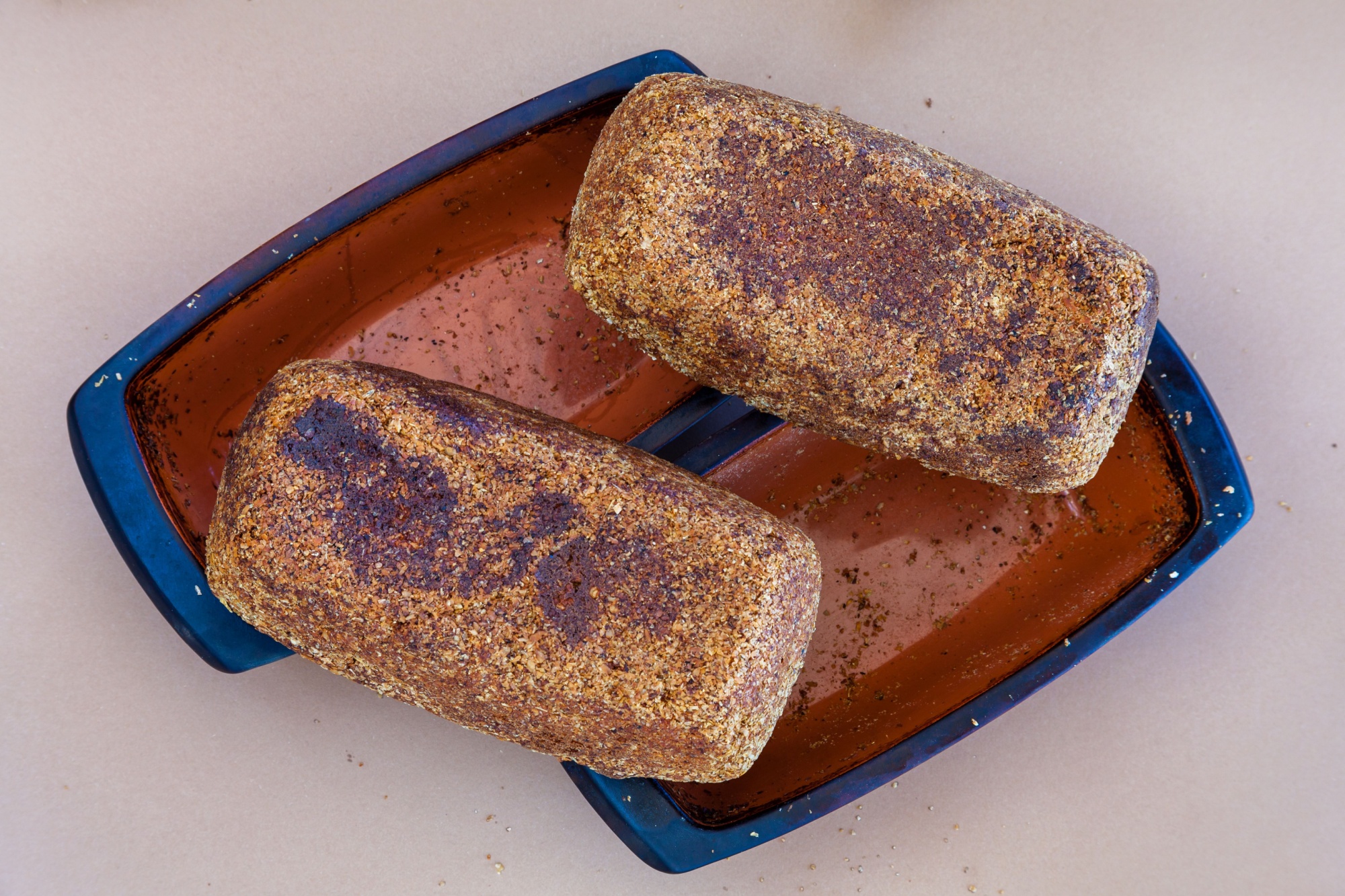
People used to consider upside-down or dropped bread as a serious insult or bad omen. In France, bakers often placed the executioner’s loaf upside-down. This was meant to show that he was not a respected part of society.
The idea spread: upside-down bread meant danger, disrespect or unwanted visitors. Dropping bread was an insult to God’s generosity and, of course, a sure sign more trouble was coming.
Sticking chopsticks upright in rice brings bad luck
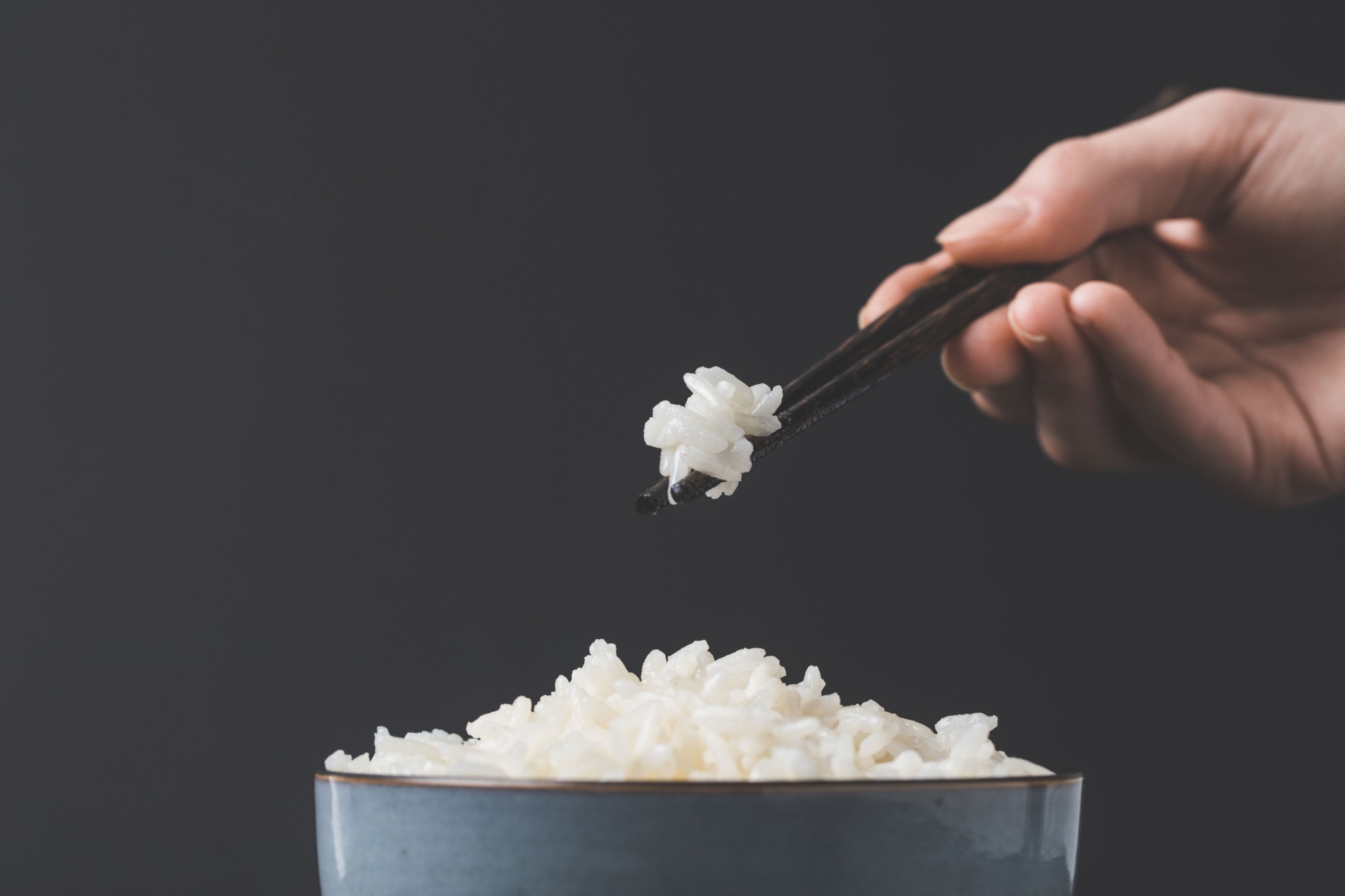
In China, Japan, and Korea, this is linked to funeral customs, where incense sticks are placed upright in bowls of rice as an offering to honor the dead. So chopsticks placed in the same way at the dinner table create an uncomfortable connection to death and invite misfortune. So it’s considered both bad luck and extremely poor etiquette.
Cutting long noodles “cuts life short”
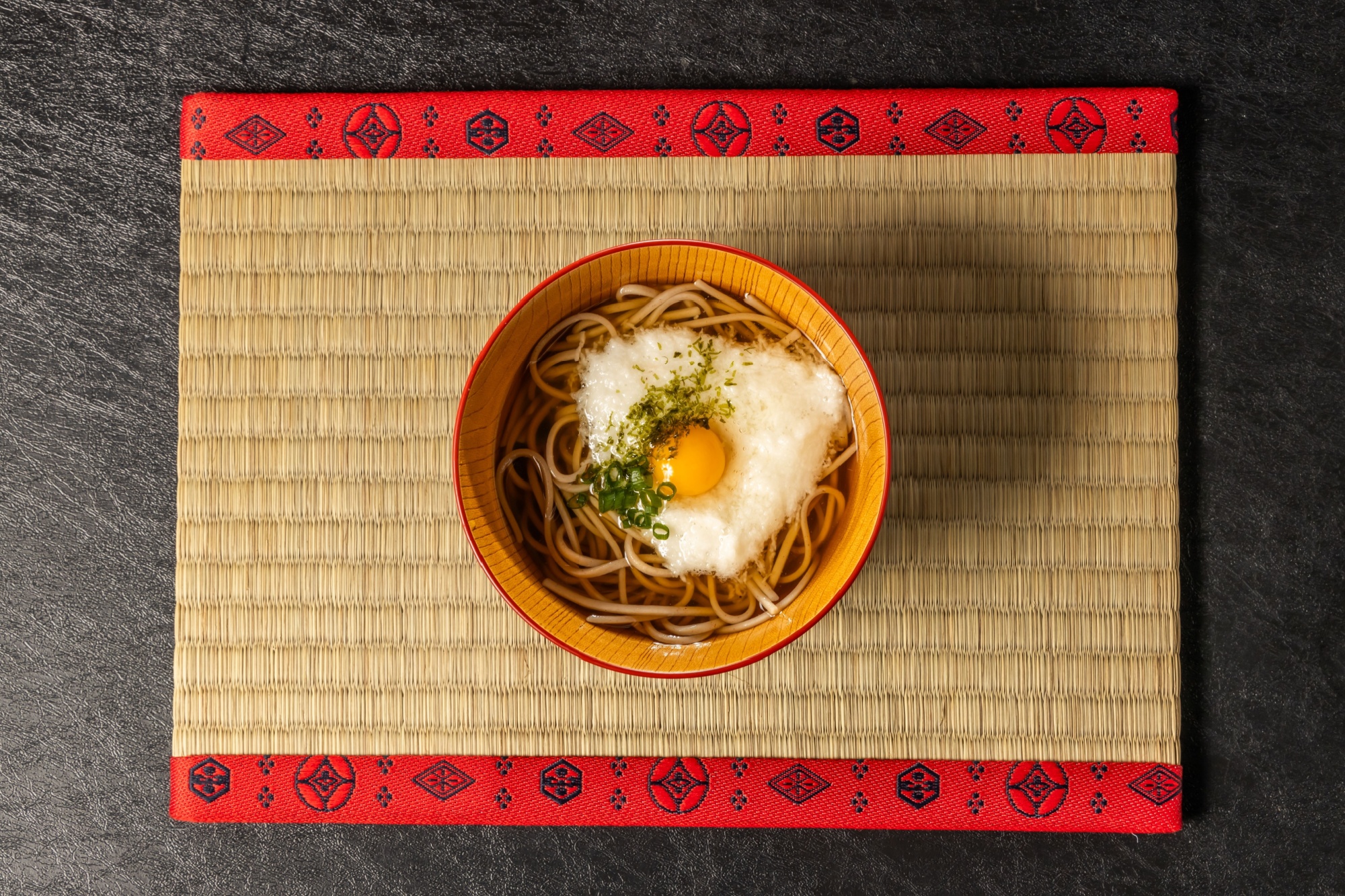
In Chinese culture, eating long noodles symbolizes a long and healthy life. The longer the strand of noodle, the better the wish.
If you’re having a birthday celebration, some people even slurp the noodle whole without breaking it. To cut or bite into noodles, it is said to “cut life short” and decrease future luck, blessings, and years of life.
The following sources were consulted in the preparation of this article: