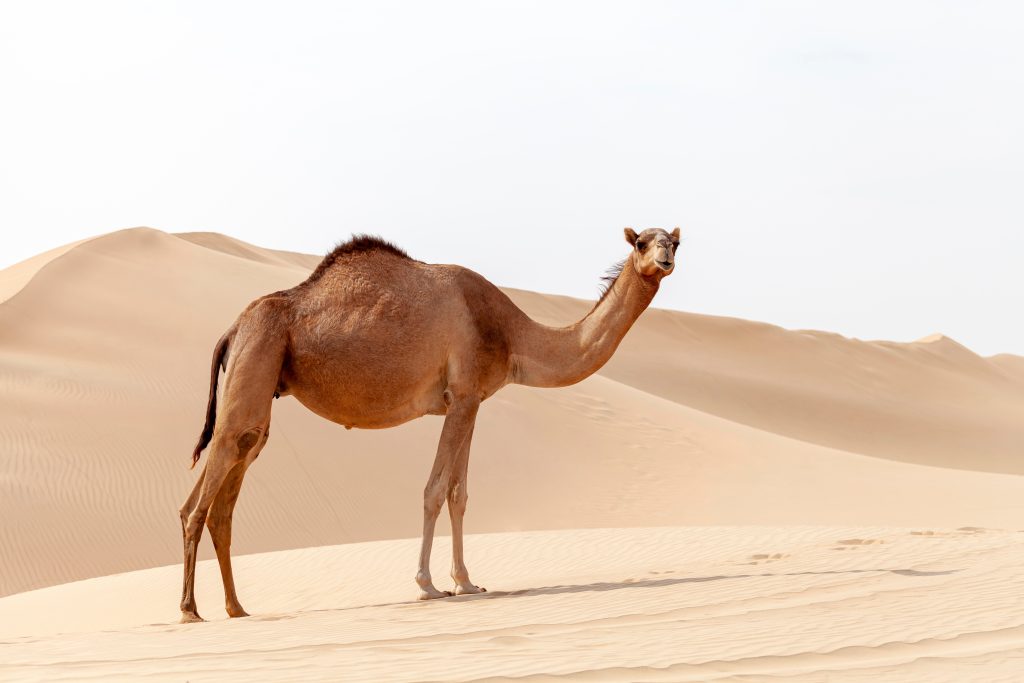
Camels are known for thriving in the desert, but there’s so much more to these majestic creatures than you may think.
Their humps store fat, not water
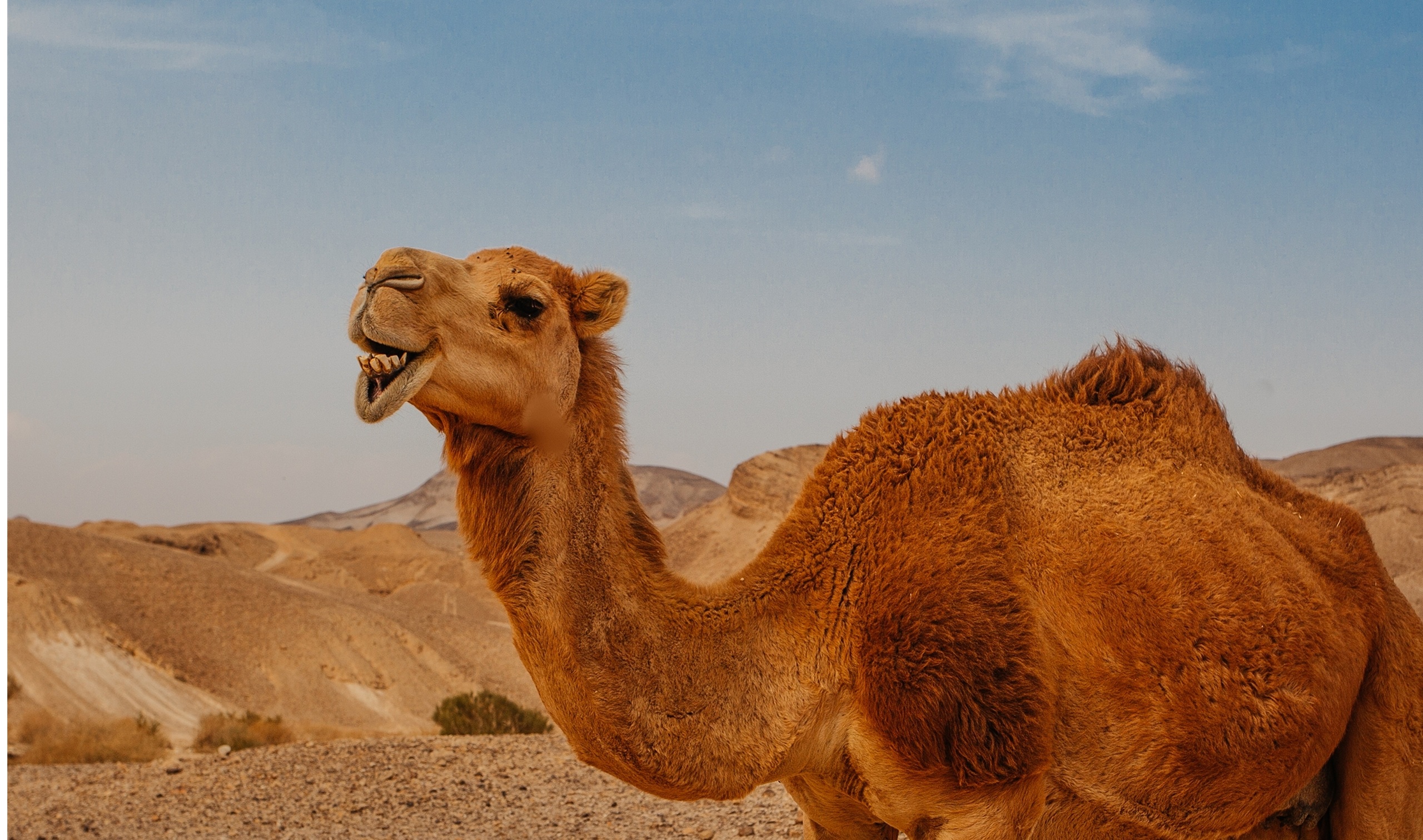
Contrary to popular belief, camel humps aren’t actually reservoirs of water. They are composed of dense fat and weigh up to 80 pounds. This stored fat allows camels to convert their humps into nutritional, backup generators when food is hard to come by.
By storing their fat in a single place on their backs, camels can release body heat more quickly from the other parts of their bodies. This helps prevent overheating in extreme conditions.
They have a complex ocular defense system
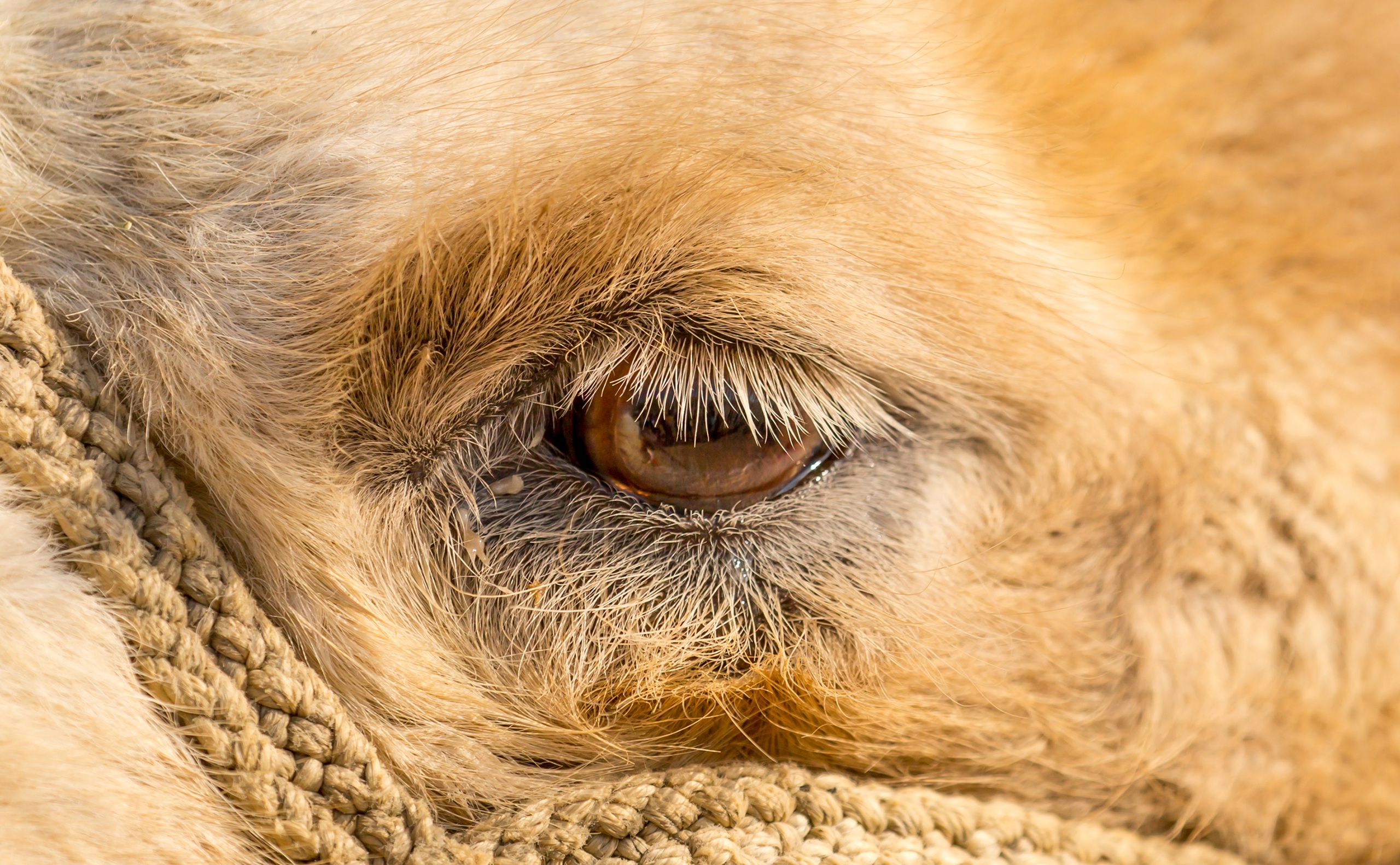
As camels need to protect their eyes from severe desert sandstorms, they have a unique built-in ocular defense mechanism. They have not one, but two rows of extra-long eyelashes that lock together to prevent blowing debris from getting into the eye.
Underneath these eyelashes is a third eyelid that’s semi-transparent (called a nictitating membrane) that sweeps horizontally across the eye like a windshield wiper, wiping away dust and still permitting enough light in for the camel to see where it’s going.
Their blood cells expand up to 240% without bursting
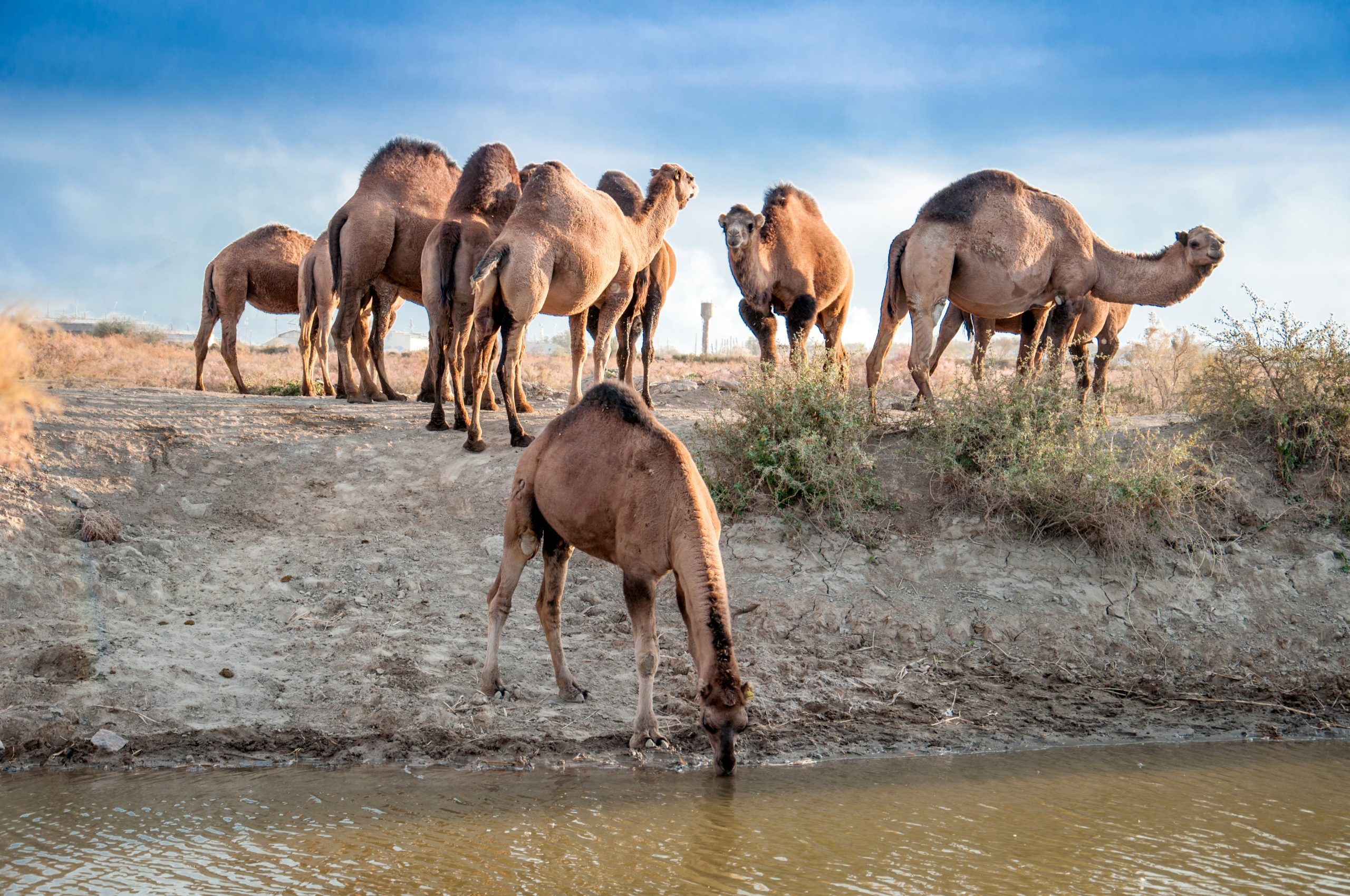
A camel can lose more than 30% of their total body water weight when severely dehydrated. This kind of dehydration would kill humans through heart failure or stroke. After going without water for so long, camels can drink up to 30 gallons of water in less than 10 minutes once they locate water.
Their red blood cells are oval instead of round, allowing the cells to flow easily when their blood is thick from dehydration and expand up to 240% their normal size to store the large amounts of water without bursting.
They excrete almost zero water
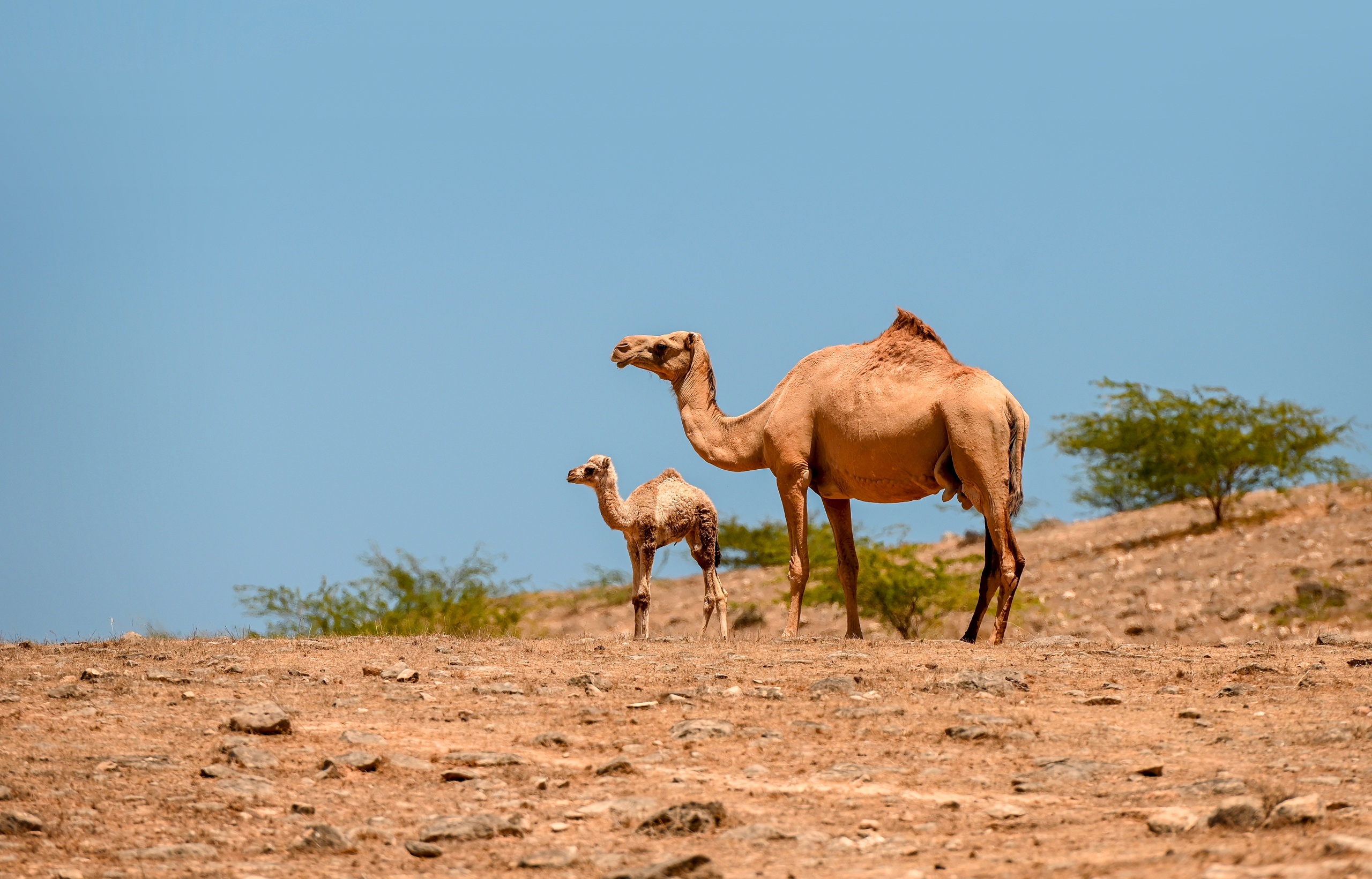
Camels are masters of moisture retention. Their kidneys excrete urine that is twice as salty as seawater, and reduced in volume until it’s syrupy.
Moreover, their intestinal tract squeezes every last particle of moisture from their food. As a result, camel dung is expelled completely dry, and Bedouin have traditionally used it right away for fires without having to dry it first.
Their nostrils can reabsorb their own breath

Inside a camel’s nostrils there are specialized, labyrinth-like scroll structures lined with hygroscopic mucous membranes.
During exhalation, moisture is absorbed out of warm exhaled air by these cool, dry membranes and stored inside the nose. Upon inhalation, the moisture is evaporated and drawn back into the lungs, thus conserving water which would otherwise be lost through breathing.
They can completely seal their nostrils
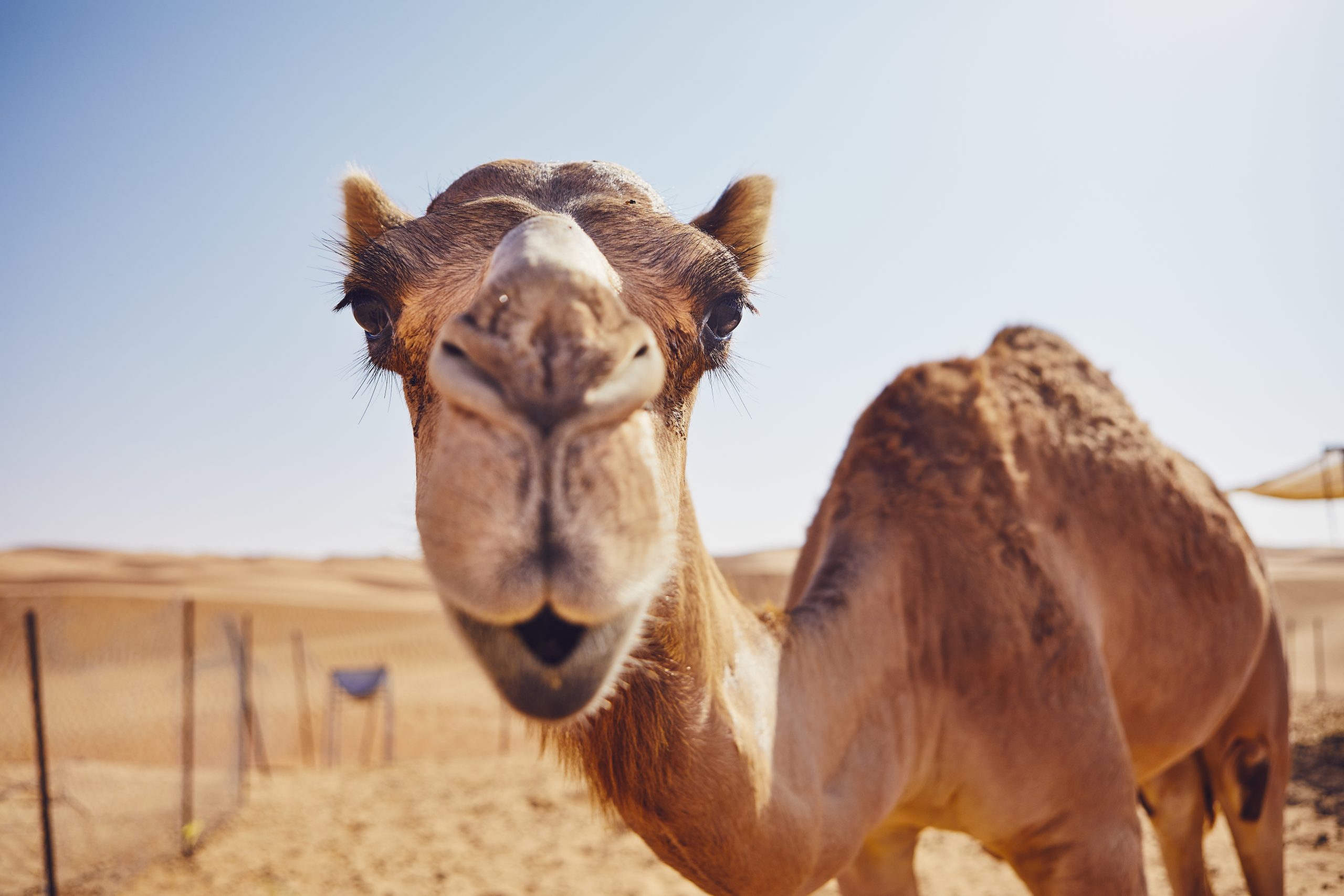
Unlike people, camels’ nostrils are muscular slits that they can voluntarily close completely.
When sandstorms are severe or when camels walk behind other animals in dusty caravans, they seal their nostrils shut in order to prevent fine sand and dust from entering their respiratory systems without interrupting their breathing patterns.
There are two main camel species
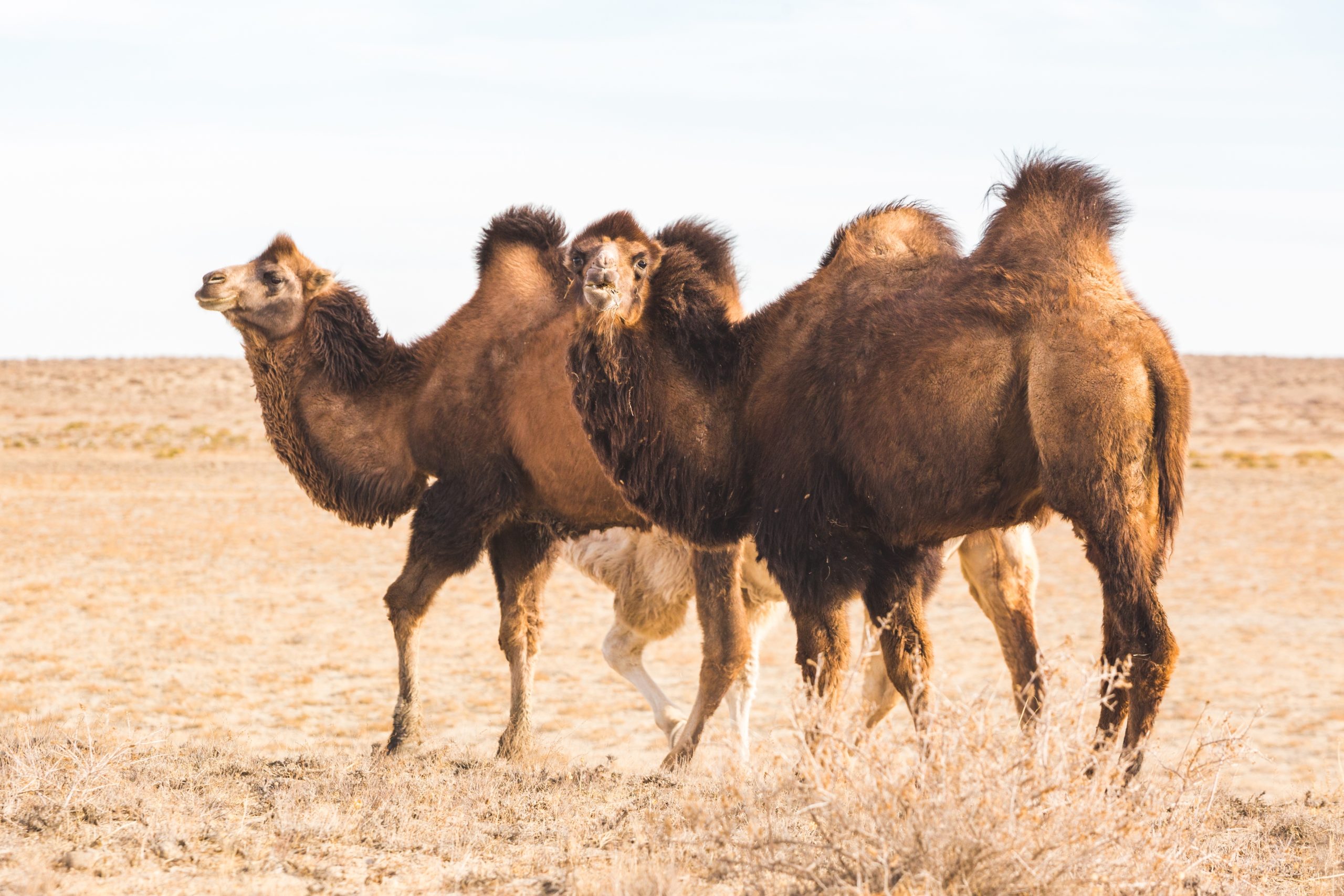
Not all camels are alike. Dromedary camels have one hump and are the camel most people think of when they imagine a Middle Eastern or North African desert.
Bactrian camels have two humps and are native to Central Asia’s cold deserts. Wild Bactrian camels are critically endangered and a different species than domesticated Bactrian camels. They are among the rarest large mammals on Earth.
Sources: Please see here for a complete listing of all sources that were consulted in the preparation of this article.