
Proving your identity today is as simple as presenting a piece of plastic with your photo on it. But for most of human history, no such thing as a photograph existed, and yet people still traveled, worked, married, inherited land, and crossed borders. How did they prove who they were? As it turns out, by lots of other, often very specific, personal, and sometimes deeply flawed methods.
Written physical descriptions

The earliest identity documents had no photos, but were simply made of words. Lots and lots of words. Your passport, travel permit, birth, and death papers described you in exhaustive detail: height, weight, hair color, eye color, skin color, any scars or moles or missing fingers, crooked noses, warts, distinctive facial expressions, or other notable features.
In some cases, these records went further and noted additional characteristics like “stooped shoulders,” “droops left shoulder,” “pockmarked face,” or even “speaks quickly.” The more detailed the information there was, the easier it would be for officials to recognize an unfamiliar face.
Character witnesses who took an oath verifying you
For hundreds of years, establishing your identity was not something done by one individual, but by others on their behalf. In order to register births, get married, inherit land, or just take up a job in another part of the country or a different country altogether, members of the local community would have to swear on your behalf that you were who you said you were.
Neighbors, employers, priests, or elders were the people most likely to act as witnesses for you. It’s a system that would have worked well in the days of small hamlets and villages, but also created a great disadvantage for outsiders, migrants, and the poor.
Signatures, handwriting, wax seals, and hand stamps

In place of photos, officials would make judgments on handwriting. Your signature would be carefully compared, and people would be recognized by the idiosyncrasies of their penmanship or how they signed their name or documents. Members of the nobility, government officials, or merchants would have a personal seal that they would press into a piece of wax.
If a seal or signature failed to match previous records, this would be cause for suspicion. Forgery was a capital offense in many countries, and harshly punished.
Clothing, appearance, and status

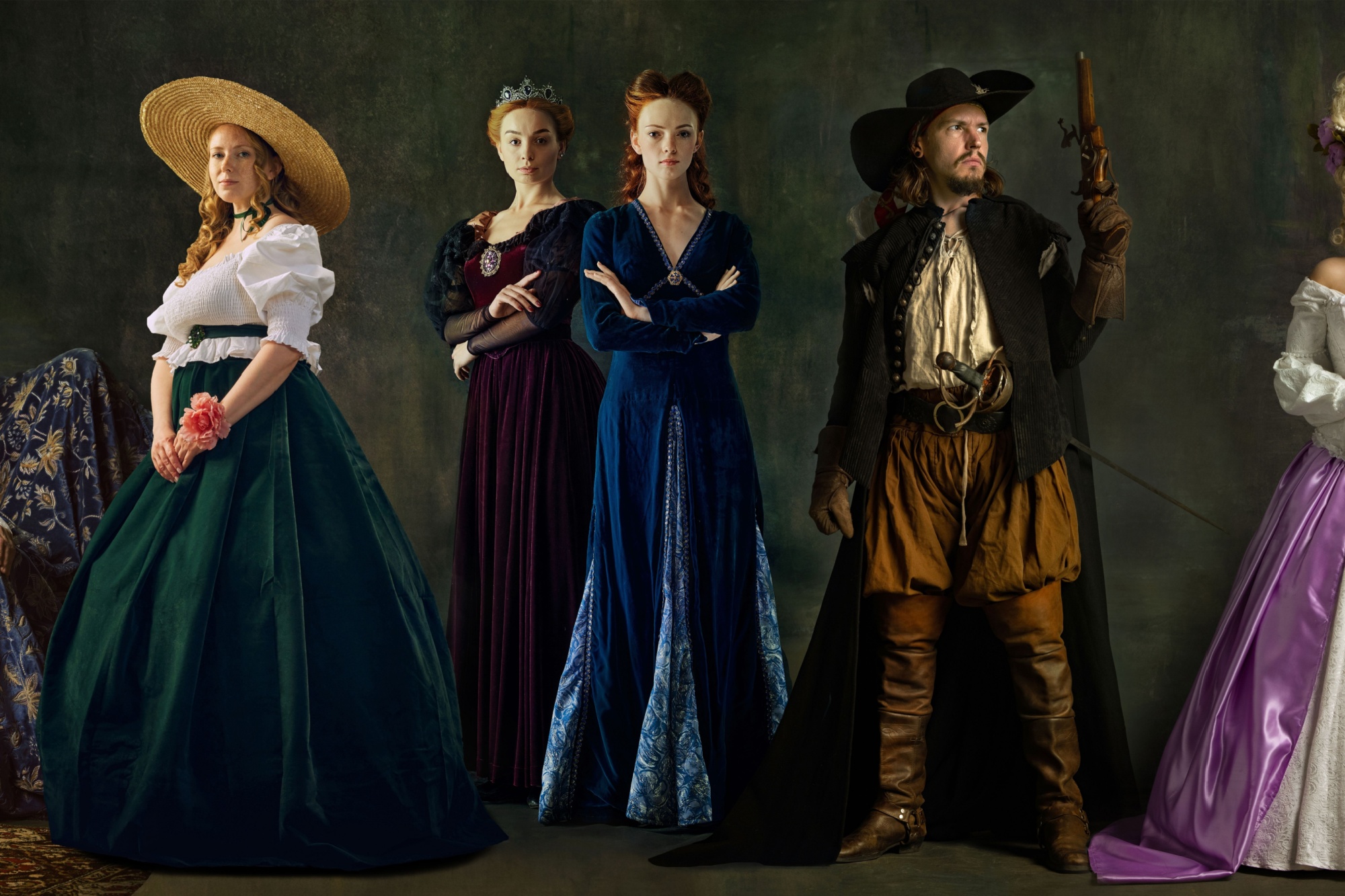
In many parts of the world, what a person was wearing in the past could say a lot about who they were. Strict laws regulated what certain social classes could or could not wear. Nobles, clergy, soldiers, and professionals were often limited to certain fabrics, colors, or styles. A uniform was an instantly recognizable identifier for soldiers and sailors.
Clothing and appearance also identified regional differences. Hairstyles and clothing could give away where someone was from long before they opened their mouth to speak.
Tattoos, scars, brand marks, and other permanent marks

Long before fingerprints, people used their own bodies as an identification tool. Sailors were notorious for getting tattoos with their name, place of birth, or ship of origin tattooed on them. Soldiers were also sometimes branded or marked to prevent desertion.
At the other end of society, many enslaved people and criminals were branded or otherwise marked by authorities as a way of creating a permanent identity on their bodies. These marks were supposed to make identity indisputable, but also a visible sign of a person’s lack of dignity and freedom.
Travel passes, letters of introduction, and references

If you were on the road in previous centuries, you rarely, if ever, traveled without some paperwork. Travel passes and letters of introduction described who you were, where you were from, and where you were going. In some cases, these papers included physical descriptions or even references from important people.
Innkeepers, guards, and city officials would rely on these letters to decide whether they should trust you or turn you away.
Church and parish records as identity verification

Before the modern state, churches kept records. Baptismal records served as proof of birth, marriage records proved family ties, and burial records were used to prove death.
If your age, legitimacy, or family background was questioned, then a parish record might serve as powerful evidence in your favor. In this capacity, priests were the de facto official record keepers of your identity.
Voice, accent, dialect, and oral testimony

In small communities, it didn’t take much to prove your identity. Locals would recognize each other by their voice, accent, manner of speech, and other details. Many people could recognize each other by shared memories and local knowledge, such as knowledge of local landmarks, family histories, or even village gossip.
Proving you belonged was as easy as asking about your childhood home, your first teacher, your godfather, or which farm you worked on.
The following sources were consulted in the preparation of this article:

