The beard is a fashion statement today. You grow it because you think it looks good or you shave because it itches. But there was a time when doctors advised people: grow a beard, for the sake of your health.
For hundreds of years, medical professionals really did think facial hair could keep men from getting sick, could help them breathe better, and might even stave off disease. Weird as it sounds, in a pre-medical world, beards made a whole lot of sense.
What did pre-Victorian doctors think about beards?

Ancient Greek thinkers believed men had something called vital heat, an inner warmth that explained their strength, size, and ability to grow hair.
Renaissance doctors later built on this idea. They believed vital heat helped increase fertility, and excess heat escaped the body by turning into hair, particularly facial hair. So a beard was proof that a man’s body was working exactly as it should.
Women, meanwhile, were also said to produce vital heat, but their bodies supposedly could not process much of it. For a woman, especially a post-menopausal woman, to develop facial hair was not a sign of natural aging, but a sign of internal illness according to these same theories.
The German abbess Hildegard of Bingen wrote in the 12th century that hair grows on the human face around the mouth because of the heat of the breath. Men had hotter breath because they were made from the earth, while women were made from men. Hildegard’s comments on facial hair are connected to religious doctrine, and the creation story directly.
The Victorian era: when doctors actively promoted beards
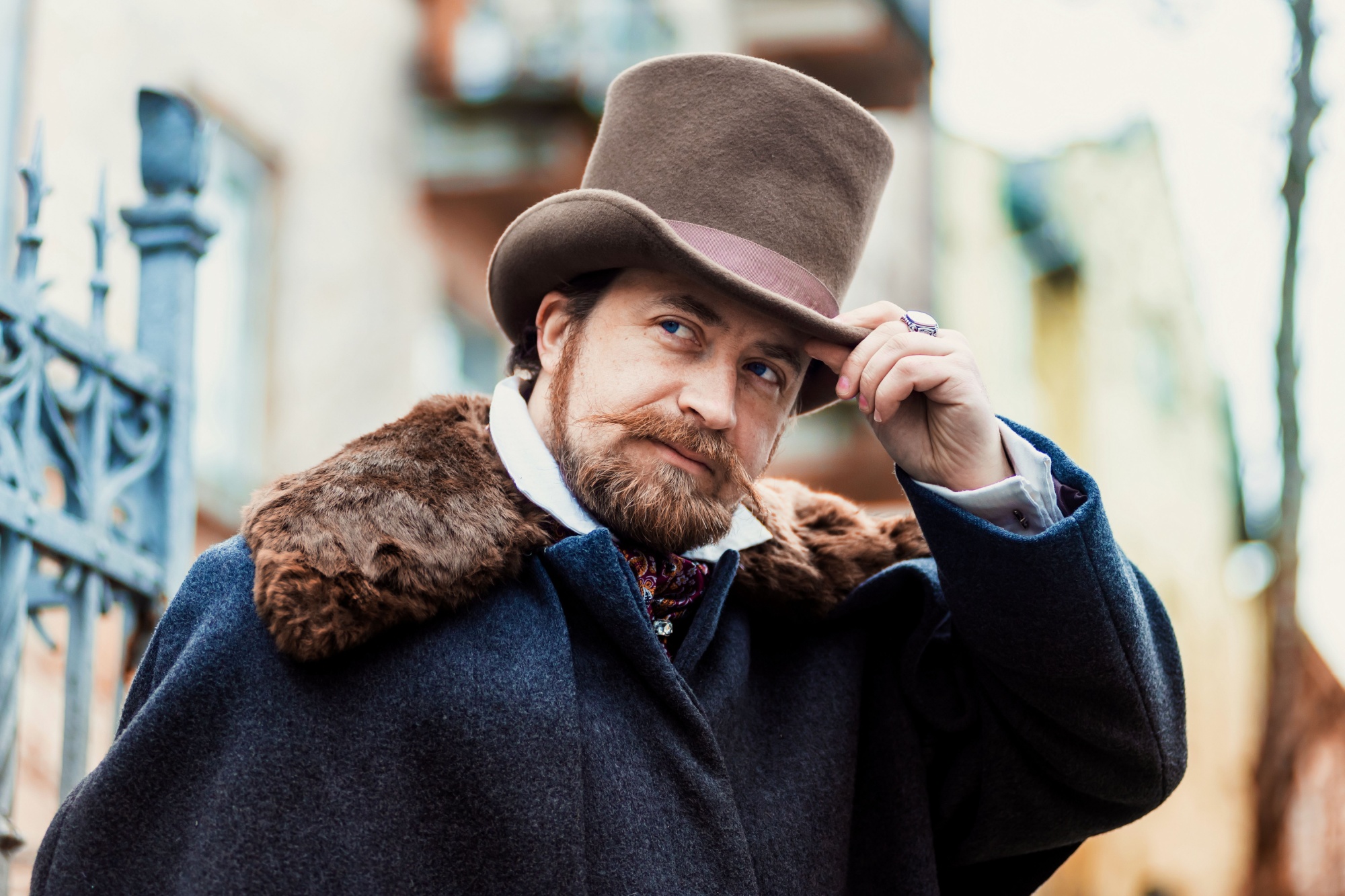
During the Victorian Era, beards became symbols of health, science, and self-improvement. A thick beard represented strength, vitality, and serious morality. A full beard suggested self-discipline, wisdom, and physical vigor – everything a good, respectable man should exemplify.
The English physician Dr. Tom Robinson went so far as to write an entire article in 1881 entitled “Beards.” Robinson didn’t just like beards. He recommended facial hair for medical reasons. Dr. Robinson claimed facial hair could help prevent or even treat loose teeth, nasal catarrh (chronic congestion and irritation in the nose), and facial neuralgia (sharply defined nerve pain in the face and head). He used both historical examples and contemporary French and English studies to support his case.
One French study Robinson cited was an 1867 experiment that followed several hundred railway workers in Lyons. The French administrators asked all of the workers to shave their beards. Robinson reported that only 14 out of 53 men who had previously worn beards remained in good health after the experiment. Some of the men became ill, some “lost all subordination and began to grow morose and rebellious.” Victorians were eager to link moral decay with physical decline.
Robinson also noted that bearded soldiers were less likely to be sent to hospitals with respiratory illness or bronchitis. Beards, doctors thought, provided a simple filter. Facial hair trapped irritants from the air before they entered the lungs.
Beards as protection in a polluted world

Doctors in the Victorian era were very concerned about air quality, and they had good reason to be. The mid-19th-century London “brown fog” was a well-known environmental disaster. Coal smoke filled the air of London in the mid-1800s. Over a million Londoners burned soft coal each day. Fog in the winter could be deadly. One coal-smog fog in 1873 lasted days. Hundreds died from bronchitis. A four-month fog happened in 1879.
Doctors believed that a thick beard could filter dust, soot, and other pollutants before they entered the nose or mouth. In a particularly practical application of the theory, doctors even recommended public speakers grow beards. Facial hair could “relax the throat” and therefore help prevent soreness.
How did beards fall out of favor in the medical world?
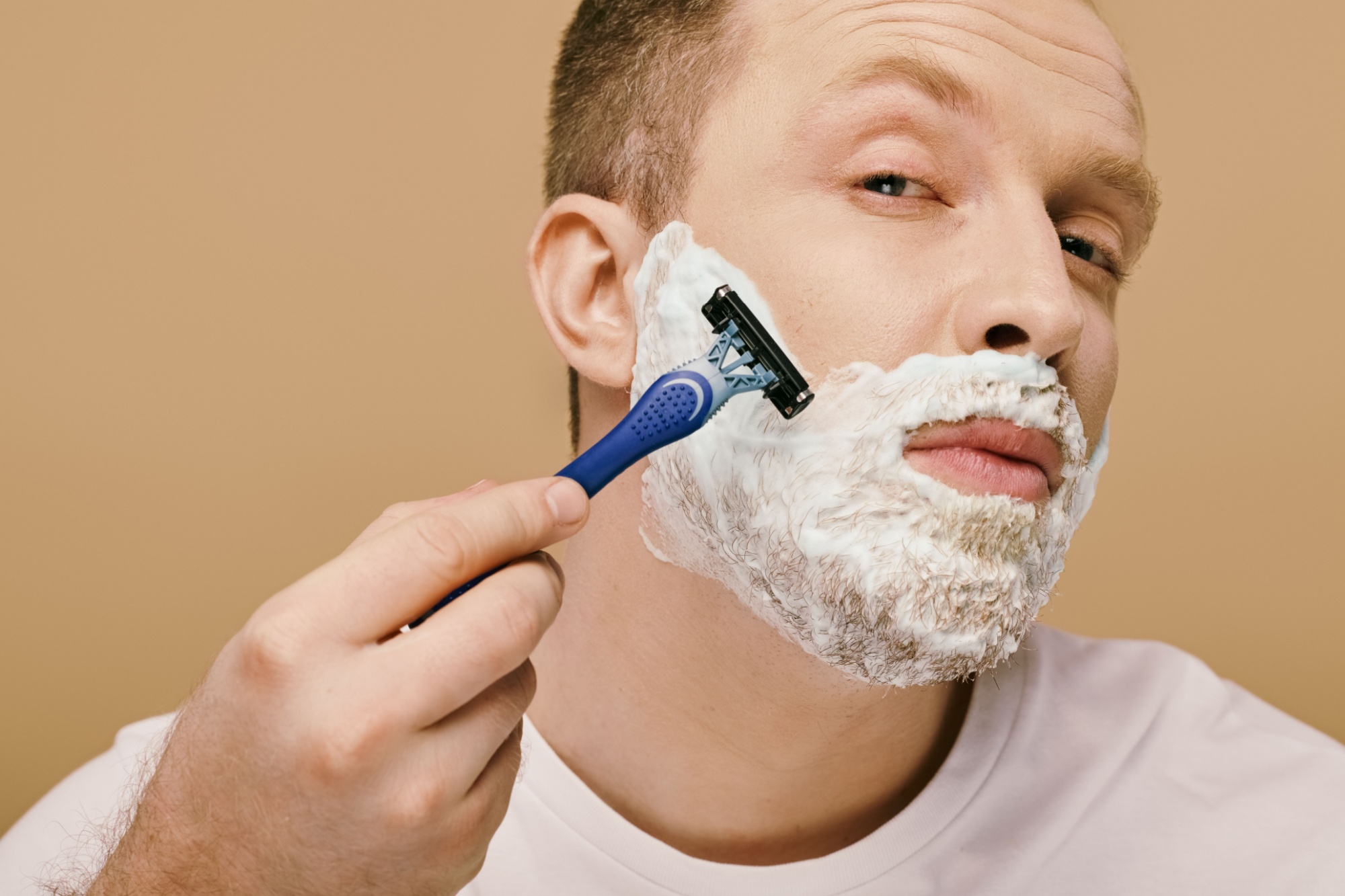
In the late 1800s, Louis Pasteur began to promote what would become germ theory. Within a few decades, that theory would have enormous implications. Beards and facial hair, far from protective, have now become highly suspect. Doctors warned people that their beards could trap microbes. The beard itself was no longer safe or sanitary.
In one French study, a woman kissed by a mustached man was found to have lips “polluted” with bacteria from tuberculosis and diphtheria (accompanied, of course, by various food debris and even a spider-leg hair).
A series of studies published in The Lancet found that clean-shaven men came down with fewer colds than their hairy counterparts. The reasoning was simple. Soap could work better on bare skin than on hair. Shaving, in the name of cleanliness, had become the new medical ideal.
By the late 19th century, hospitals began shaving patients when they were admitted. Doctors believed the beard trapped spit that might carry tuberculosis. In fact, facial hair was then banned for all hospital staff in Britain. Doctors, nurses, and other medical workers had to remain clean-shaven.
The following sources were consulted in the preparation of this article: